



What's Happening?
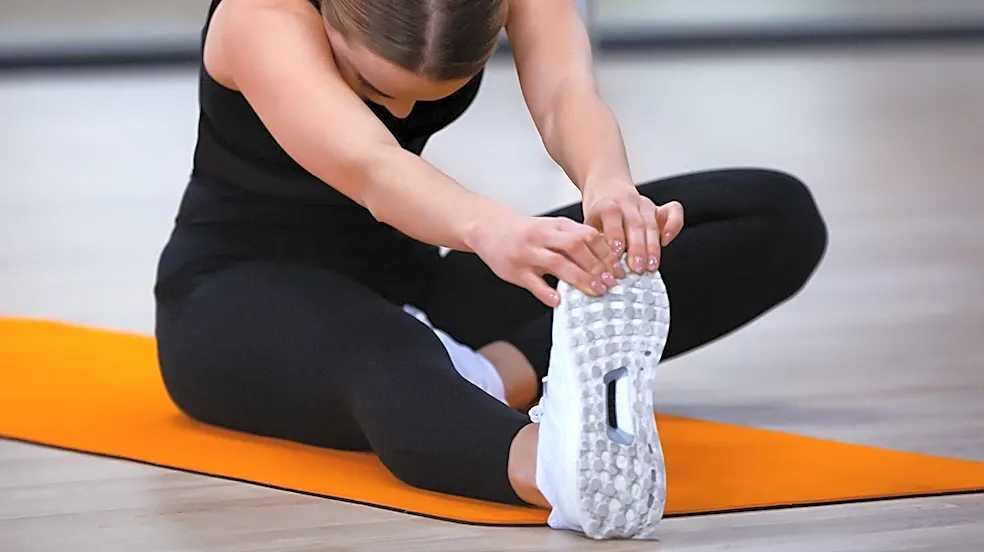
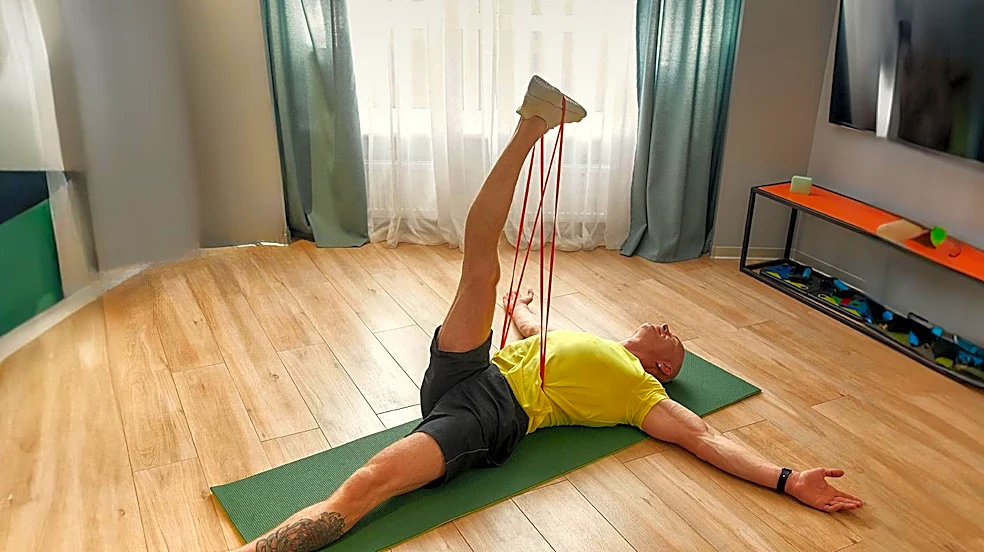
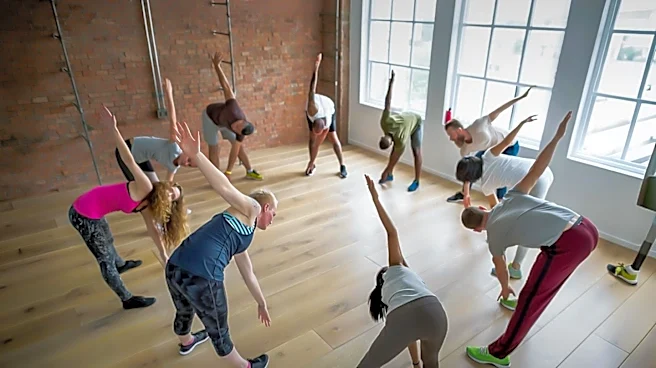
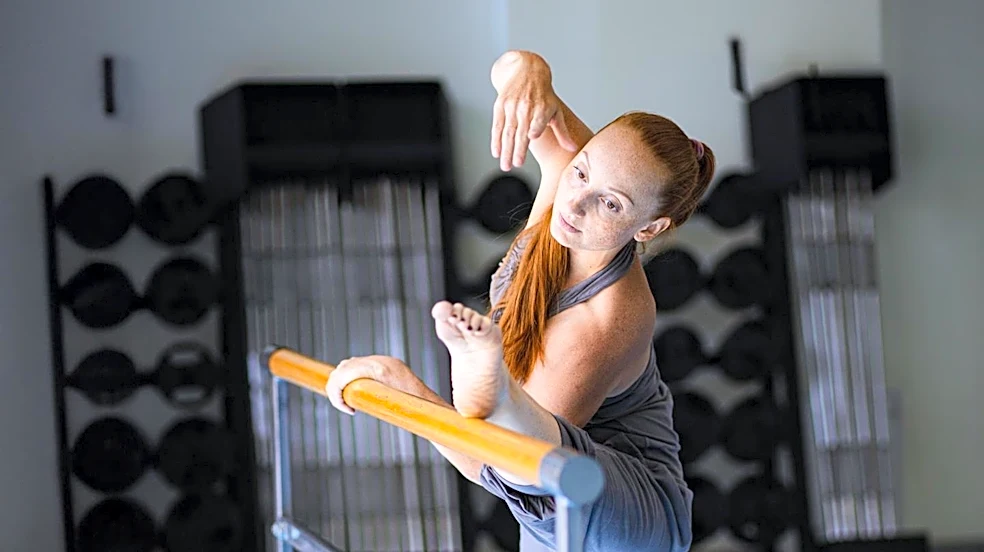
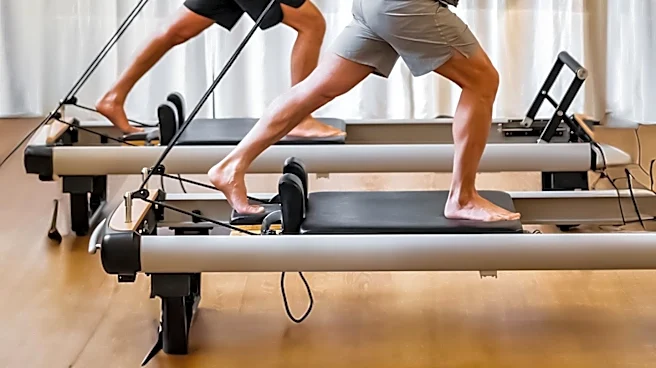
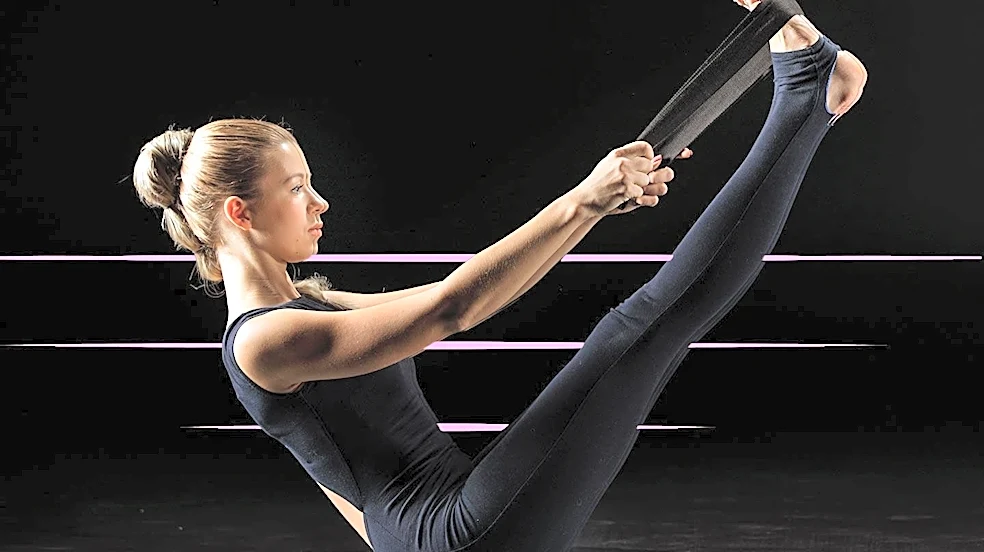
Active recovery, particularly through Pilates, is being highlighted as a method to maintain movement on days when muscles are tired or sore. This approach involves deliberately easy sessions, typically 15 to 30 minutes of low-effort mat or reformer work,
designed to keep the body moving while it adapts to previous strenuous training. It is distinct from passive rest, which involves no planned exercise. Active recovery is recommended for general tiredness or stiffness after demanding workouts, but not for sharp pain, illness, or injury, which require rest or medical attention. The intensity of an active recovery session should be very low, around a 3 or 4 on a 0 to 10 effort scale, allowing for full conversation and quiet breathing. Research suggests that active recovery may be associated with lower delayed-onset muscle soreness, though its effectiveness can vary. Pilates is considered suitable for active recovery due to its controlled, low-load movements, breath work, and focus on alignment, provided the intensity is kept low.
Why It's Important?
The emphasis on active recovery through methods like Pilates is important for individuals engaged in regular physical activity, as it offers a structured way to manage post-exercise soreness and fatigue. By promoting light movement over complete inactivity on recovery days, it can help maintain consistency in fitness routines and potentially reduce muscle soreness, as indicated by some research. This approach can contribute to overall well-being by encouraging mindful movement and body awareness, preventing the cycle of intense exertion followed by complete sedentary periods. For the fitness industry, it highlights the value of specialized classes and guidance for recovery, potentially expanding offerings beyond high-intensity workouts. Understanding the distinction between active recovery and passive rest empowers individuals to make informed decisions about their recovery strategies, optimizing their training schedules and reducing the risk of overtraining or injury.
What's Next?
As awareness of active recovery grows, there may be an increased demand for specialized Pilates classes and other low-intensity movement programs tailored for recovery. Fitness professionals and studios might develop more structured active recovery protocols and integrate them into broader training plans. Individuals are encouraged to learn to interpret their body's signals to determine whether an easy session, full rest, or professional medical advice is most appropriate. The continued integration of active recovery principles into general fitness guidelines could lead to more balanced and sustainable exercise habits for the public. Further research may also explore the specific benefits of different active recovery modalities, including Pilates, on muscle recovery, performance, and long-term health outcomes.
Beyond the Headlines
The concept of active recovery extends beyond mere physical recuperation, touching upon the broader philosophy of listening to one's body and prioritizing sustainable health practices. In a culture often driven by high-intensity performance, the promotion of gentle, mindful movement for recovery represents a shift towards a more holistic approach to fitness. It underscores the idea that rest and recovery are integral components of training, not just passive breaks. This perspective can help combat the 'no pain, no gain' mentality, encouraging individuals to value self-care and injury prevention. Ethically, it promotes a more responsible approach to physical activity, advocating for practices that support long-term health rather than short-term gains at the expense of the body. This could lead to a more nuanced understanding of fitness, where recovery is seen as an active and essential part of a healthy lifestyle.