






What's Happening?
Redmond Economic Development, Inc. (REDI) recently hosted its 'News & Brews' event, gathering over 100 attendees to discuss the critical link between Redmond's housing market, business growth, and employee retention. The event featured a REDI project
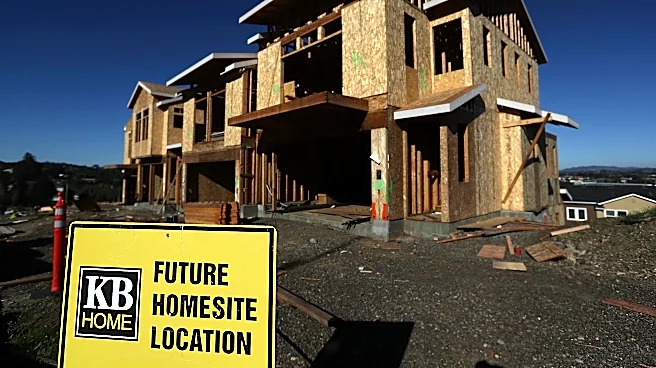
update from Director Steve Curley and a housing panel moderated by Kevin White of Deschutes Title Company. Panelists included Linda Cline from the city of Redmond, Jenn Kovitz from Hayden Homes, and Amber Wilson from Advantage Mortgage. Discussions focused on local housing affordability, construction costs, and the homebuyer experience. Linda Cline highlighted the disparity between local wages and housing costs, citing a median home price of $499,000 and an average monthly rent of $1,744 for a two-bedroom apartment in October 2026. Jenn Kovitz emphasized land costs as a major barrier to affordability and urged the business community to support housing-focused policies. Amber Wilson noted that even buyers with steady employment and good credit struggle to afford homes, leading to increased family assistance and co-purchasing.
Why It's Important?
The discussions at the REDI event underscore a significant economic challenge facing Redmond and many other U.S. communities: the direct impact of housing affordability on workforce stability and business development. When employees cannot find affordable housing, businesses struggle with recruitment and retention, which can impede economic growth. The event highlighted that housing is not just a social issue but a core economic development concern. The insights from the panel, particularly regarding land costs and the gap between median incomes and affordable home prices, reveal systemic issues that require collaborative solutions from city planners, developers, and the business community. The call for businesses to advocate for housing-focused policies indicates a growing recognition that private sector involvement is crucial for addressing the housing crisis and ensuring a robust local economy.
What's Next?
The city of Redmond plans to continue assessing housing needs, buildable land, and strategies to support future housing production. This includes leveraging tools like development codes, fees, and land-use planning, while also seeking collaboration with developers to foster creative solutions. The Northpoint project, a planned unit development, was cited as an example of how flexible land-use regulations can yield community benefits. Employers are encouraged to explore practical ways to assist employees with housing, such as down payment assistance programs or educational 'lunch-and-learn' sessions with housing professionals. These initiatives aim to help employees understand financing options and navigate the home-buying process. The ongoing dialogue and proposed actions suggest a concerted effort to address housing challenges and strengthen the local workforce in Redmond.
Beyond the Headlines
The Redmond housing discussion reflects a broader national trend where housing affordability has become a critical factor in regional economic competitiveness and social equity. The challenges highlighted—high land costs, the gap between wages and home prices, and the struggle for even financially stable individuals to afford housing—point to deeper structural issues in urban planning and economic policy. The emphasis on collaboration between government, developers, and businesses suggests a shift towards more integrated approaches to community development. This situation also raises questions about the long-term sustainability of economic growth in areas where essential workers cannot afford to live, potentially leading to increased commuting, environmental strain, and reduced quality of life. The event implicitly calls for a re-evaluation of zoning laws and development incentives to foster more inclusive and sustainable housing markets.