






What's Happening?
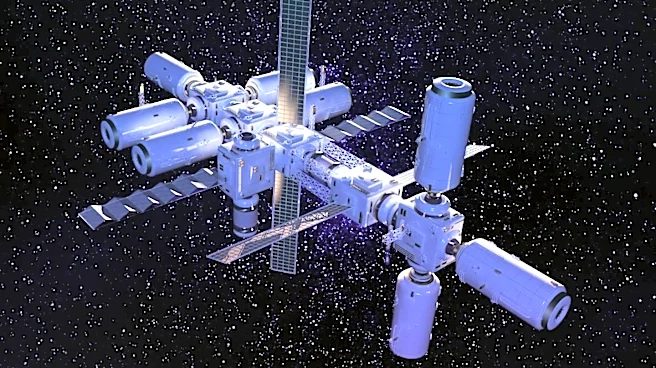
Axiom Space, a human space exploration company based in Houston, Texas, is actively developing the Axiom Station, which is intended to succeed the International Space Station as a commercial orbital settlement. The company is currently seeking a Flight
Network Engineer (Station Critical Network) to design, develop, test, and integrate the critical network for the Axiom Station. This role is crucial for enabling real-time data exchange and coordination across various systems, including programmable logic controllers, supervisory control and data acquisition systems, human-machine interfaces, and distributed control systems. The engineer will lead the integration of Time-Sensitive Networking (TSN) and develop test cases and procedures for both laboratory and flight environments. Axiom Space emphasizes its role as a pioneer in commercial space, aiming to transform low-Earth orbit into a global space marketplace and provide commercial human spaceflight services, alongside developing advanced spacesuits for lunar and beyond missions.
Why It's Important?
The development of Axiom Station represents a significant shift towards commercializing space infrastructure and services, moving away from government-led initiatives like the International Space Station. This transition has profound implications for the U.S. aerospace industry, fostering innovation and creating new economic opportunities in the space sector. By building a privately owned and operated space station, Axiom Space is positioning the U.S. at the forefront of the burgeoning space economy, potentially attracting private investment and accelerating technological advancements in microgravity research and space tourism. The success of Axiom Station could establish a new paradigm for space exploration, where commercial entities play a central role in expanding humanity's presence beyond Earth, thereby influencing future U.S. space policy and international collaborations.
What's Next?
Axiom Space will continue its recruitment efforts for specialized engineering roles, such as the Flight Network Engineer, to bolster the development of the Axiom Station's critical systems. The company's immediate next steps involve the detailed design, rigorous testing, and eventual integration of the station's network infrastructure. As the Axiom Station progresses, it is expected to become a key platform for commercial human spaceflight services and advanced research, potentially leading to further partnerships with NASA and other international space agencies. The long-term vision includes establishing a robust orbital settlement that supports a vibrant global space economy, which will necessitate ongoing technological innovation and strategic collaborations to ensure its operational success and sustainability.
Beyond the Headlines
The shift towards commercial space stations like Axiom Station raises deeper questions about the future governance and accessibility of space. As private companies take on roles traditionally held by national space agencies, there will be evolving legal and ethical frameworks concerning ownership, liability, and international cooperation in space. This commercialization could democratize access to space for a wider range of nations and private entities, but it also presents challenges in ensuring equitable access and preventing potential conflicts over orbital resources. The success of Axiom Space's endeavor could set a precedent for how humanity expands into space, influencing not only technological development but also the geopolitical landscape of off-Earth activities and the long-term sustainability of space environments.