







What's Happening?
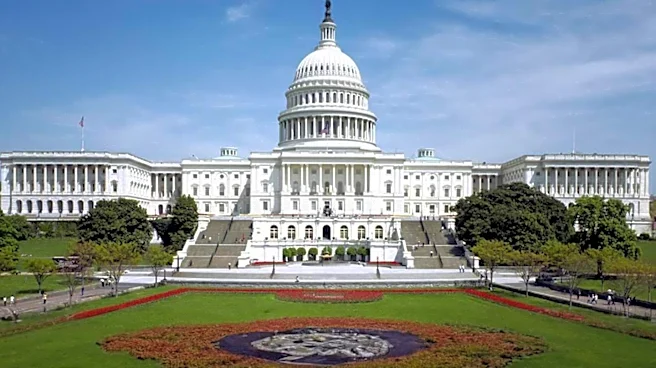
A significant new housing law has been passed in the United States, marking the most substantial legislative change in the housing sector in two decades. The law aims to address the ongoing housing crisis by capping the number of single-family homes that
large institutional investors can own, thus potentially increasing availability for individual buyers. The legislation also seeks to streamline housing development processes and update HUD programs. Despite its passage, the law faced criticism from President Trump, who dismissed it as insignificant. However, it received bipartisan support in Congress, indicating a strong legislative push to tackle housing affordability issues.
Why It's Important?
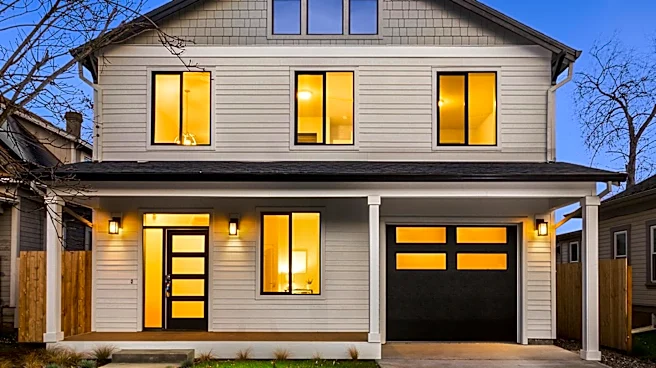
The passage of this housing law is crucial as it addresses the pressing issue of housing affordability, which affects millions of Americans. By limiting the number of homes that large investors can own, the law aims to make more properties available to individual buyers, potentially easing the housing shortage. This could benefit young families and first-time homebuyers who have been priced out of the market. However, the impact on older homeowners, particularly baby boomers, could vary depending on their housing plans. The law's success could lead to more equitable housing opportunities and influence future housing policies.
What's Next?
The implementation of the new housing law will be closely monitored to assess its impact on the housing market. Stakeholders, including real estate investors, homebuyers, and policymakers, will be watching to see if the law effectively increases housing availability and affordability. The law's provisions may take time to influence the market, and its long-term effects will depend on how quickly new housing developments can be completed. Additionally, the response from institutional investors and their adaptation to the new regulations will be critical in shaping the housing landscape.