





What's Happening?
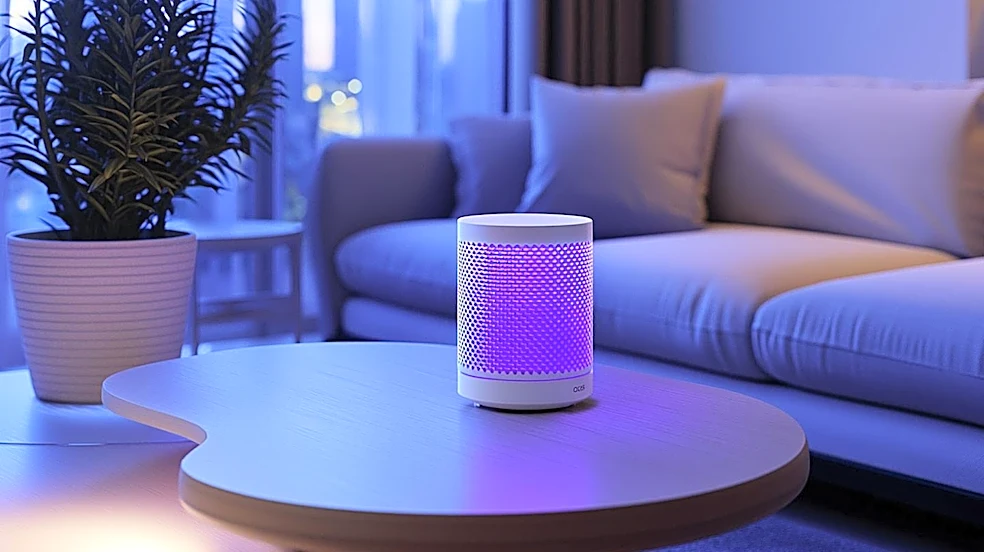
Modern home automation systems, such as those controlling lighting, thermostats, and coffee makers, are designed to anticipate desires and minimize user input, leading to increased efficiency and convenience. While these technologies offer significant
advancements, they also raise questions about the potential loss of everyday rituals that contribute to a sense of home and personal meaning. The article highlights that habits are efficiency-driven actions with clear goals, while rituals involve specific processes, sequences, and meanings that are valued for their own sake, independent of their practical outcome. Examples of rituals include setting a dinner table in a particular way or a personal routine like having a specific cup of coffee before work. The increasing automation in homes may inadvertently remove opportunities for these meaningful, often inefficient, gestures.
Why It's Important?
The shift towards highly automated homes has broader implications for how individuals interact with their living spaces and derive personal satisfaction. By optimizing for efficiency, smart home technology risks diminishing the value of actions that, while not strictly necessary, are deeply ingrained in human experience and contribute to emotional well-being. The article suggests that true sophistication in modern home design might lie in knowing where to draw the line with automation, preserving opportunities for personal rituals. This discussion is important for consumers, designers, and technology developers as it encourages a re-evaluation of what constitutes a 'smart' home beyond mere technological capability, emphasizing the human element and the psychological impact of our environments.
What's Next?
The ongoing development of smart home technology will likely continue to push the boundaries of automation. Future innovations may need to consider integrating options that allow users to selectively engage in or bypass automated processes, thereby preserving personal rituals. This could involve more customizable systems that learn individual preferences not just for efficiency, but also for maintaining specific routines. The conversation around the balance between convenience and personal meaning in automated environments is expected to evolve, potentially influencing product design and marketing strategies in the home automation industry. Homeowners and designers may increasingly seek solutions that offer both technological advancement and opportunities for meaningful engagement with their living spaces.
Beyond the Headlines
The debate surrounding home automation and rituals touches upon deeper philosophical questions about the nature of human experience and the role of technology in shaping it. It highlights a potential ethical dilemma: does the pursuit of ultimate convenience inadvertently strip away elements that contribute to a rich and meaningful life? The article suggests that the value of certain actions lies not in their practical outcome, but in the process itself and the meaning an individual assigns to it. This perspective challenges the purely utilitarian view of technology and encourages a more holistic understanding of how our environments, both physical and technological, influence our psychological and emotional states. It prompts a reflection on what we truly gain and lose as technology increasingly mediates our daily lives.