




What's Happening?
The Met Gala, an annual event held on the first Monday of May, has evolved from a modest charity dinner into a globally recognized spectacle at the intersection of art, celebrity, and fashion. Originally established in 1948 by fashion publicist Eleanor
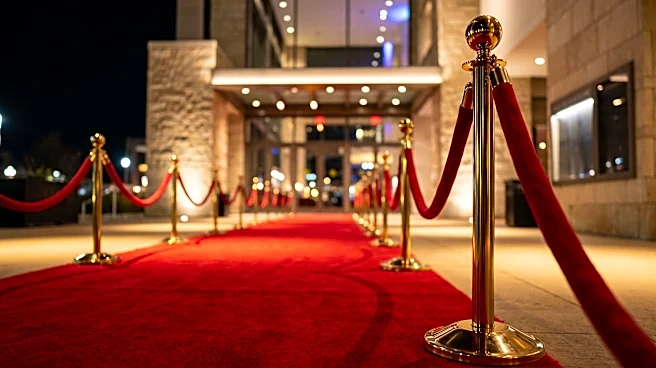
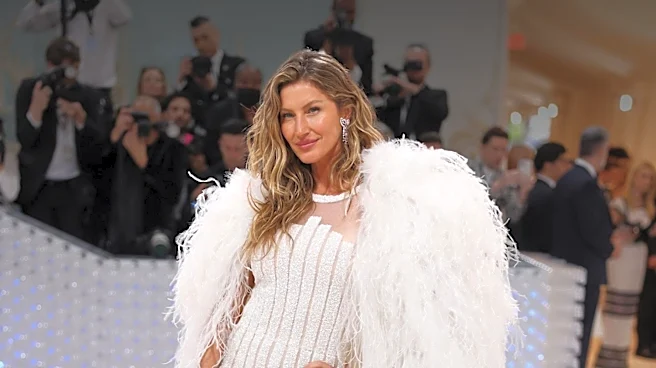
Lambert to raise funds for the newly founded Costume Institute and promote American fashion, the initial event was a simple midnight supper with tickets costing around fifty dollars. It primarily attracted wealthy New York socialites and designers, lacking the theatricality seen today. The transformation began in the 1970s with Diana Vreeland's involvement, who introduced thematic exhibitions that framed fashion as art and cultural expression. This shift made themes central to the event, encouraging guests to dress according to artistic concepts linked to museum exhibitions. Under Anna Wintour's leadership since 1995, the gala further merged celebrity culture, luxury fashion, art, music, cinema, sports, and social media, solidifying its status as one of the most exclusive and influential events worldwide. The event now generates enormous global attention, with designers carefully selecting celebrities to showcase their creations, turning the red carpet into a significant marketing stage.
Why It's Important?
The Met Gala's evolution highlights the increasing cultural and economic significance of fashion as an art form and a powerful marketing tool. Its transformation from a local fundraiser to a global media phenomenon underscores the growing influence of celebrity culture and social media in shaping public perception and consumer trends. The event's ability to raise millions of dollars annually for the Costume Institute demonstrates its crucial role in supporting fashion history, preservation, and academic study, legitimizing fashion within the art world. The gala also serves as a barometer for cultural conversations, with themes often sparking discussions about cultural appropriation, representation, and inclusivity, reflecting broader societal dialogues. The intense media scrutiny and viral moments generated by the Met Gala underscore the power of curated experiences in the digital age, where fashion houses and celebrities leverage the event for unparalleled global visibility and brand enhancement. This dynamic interplay between art, commerce, and celebrity has made the Met Gala a pivotal event for the fashion industry and a significant cultural touchstone.
What's Next?
The Met Gala is expected to continue its trajectory as a major cultural and fashion event, with ongoing emphasis on thematic interpretations and celebrity engagement. Future galas will likely push boundaries further in terms of theatricality and artistic expression, as designers and celebrities strive to create viral moments that capture global attention. The event will also likely continue to navigate discussions around cultural sensitivity and representation, as themes may continue to draw inspiration from diverse historical and religious contexts. The influence of social media will remain paramount, with real-time reactions, memes, and commentary shaping the public's engagement with the event. Organizers, particularly Anna Wintour, will likely maintain the event's exclusivity, ensuring its status as a coveted invitation. The Met Gala's role as a fundraiser for the Costume Institute will also persist, ensuring continued support for fashion as an academic and artistic discipline within the Metropolitan Museum of Art.
Beyond the Headlines
Beyond the immediate spectacle, the Met Gala reflects deeper shifts in how art, commerce, and identity intersect in contemporary society. The event challenges traditional notions of high art by elevating fashion to a museum-worthy discipline, influencing how cultural institutions perceive and present clothing. It also highlights the increasing commodification of celebrity, where public figures become living advertisements, and their appearances at such events are meticulously orchestrated for maximum brand impact. The controversies surrounding cultural appropriation at the Met Gala underscore the ongoing tension between artistic freedom and social responsibility, prompting critical examination of how historical and cultural elements are interpreted and presented. Furthermore, the gala's digital footprint, characterized by instant global dissemination and public commentary, reveals the profound impact of social media on cultural events, transforming passive viewership into active participation and debate. This continuous evolution positions the Met Gala not just as a fashion event, but as a significant cultural phenomenon that mirrors and shapes broader societal values and trends.