
What's Happening?
Luxury home design is increasingly focusing on integrating daily routines and lifestyle preferences into the core architectural and interior planning, according to Natalianeverko.com. Rather than merely
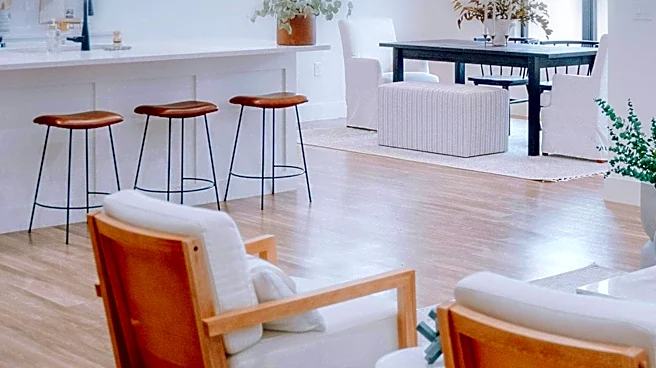
focusing on aesthetics or expensive finishes, the process now prioritizes understanding how occupants live, work, exercise, entertain, and rest. This approach involves asking practical questions about daily habits, such as breakfast routines, work-from-home needs, and the presence of guests or family. The goal is to create a home where every space reflects personal needs, routines, and long-term aspirations, ensuring a balance of elegance and functionality. Key considerations include privacy, comfort, and sophistication, with designers aiming to make daily life feel effortless and natural within the residence.
Why It's Important?
This shift in luxury home design signifies a move beyond superficial opulence towards a more human-centric approach, which has significant implications for the U.S. real estate and design industries. It highlights a growing demand among affluent homeowners for spaces that genuinely enhance their well-being and support their specific ways of living, rather than just showcasing wealth. This trend will likely drive innovation in space planning, material selection, and smart home technology, pushing designers and builders to offer highly customized solutions. For consumers, it means the potential for homes that are not only beautiful but also deeply functional and tailored to their individual needs, potentially increasing satisfaction and long-term value. It also underscores the importance of a collaborative design process where client input on lifestyle is paramount.
What's Next?
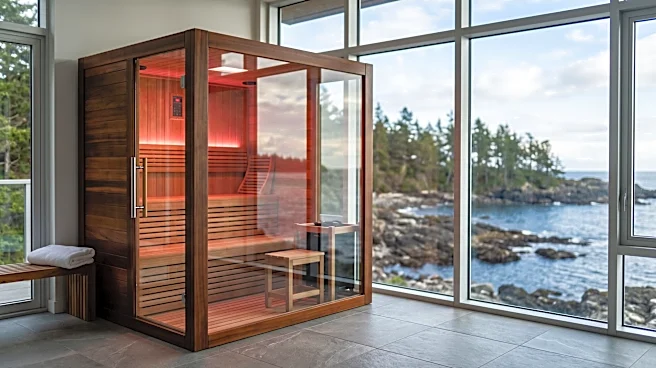
The emphasis on lifestyle-led design is expected to continue shaping the luxury housing market. Designers will likely develop more sophisticated methods for client profiling and routine mapping to inform their projects. We may see an increase in specialized rooms and zones within homes, such as dedicated recovery rooms, quiet work zones, or adaptable spaces that can transform based on time of day or activity. Technology integration will also become more seamless, with home automation systems designed to support personal rhythms, such as morning lighting scenes or climate control tailored to individual preferences. This approach will likely influence broader residential design trends, as elements of personalized functionality trickle down to more accessible housing markets.
Beyond the Headlines
This design philosophy reflects a deeper cultural value placed on personal well-being and efficiency in modern life. In a fast-paced world, the home is increasingly seen as a sanctuary that should actively contribute to one's physical and mental health. The focus on 'effortless living' and 'reducing friction' in daily routines speaks to a desire for simplicity and calm amidst complexity. Ethically, this approach raises questions about the accessibility of such highly personalized design, as it often caters to those with significant financial resources. However, the underlying principles of thoughtful space planning and user-centric design could inspire more universally applicable solutions for creating more comfortable and functional living environments for everyone.