







What's Happening?
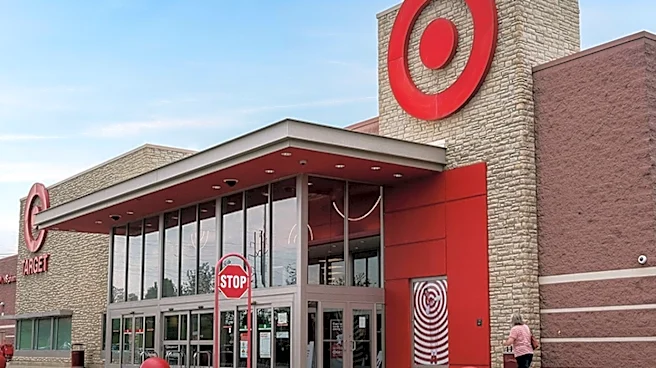
The role of warehouses in online retail has significantly evolved due to the rise of omnichannel retail strategies, which now rely on a "one common inventory" approach to fulfill both in-store and online orders. This shift, as highlighted by Target's
former supply chain chief Gretchen McCarthy in 2024, means that a single product must be available to serve various customer touchpoints, including direct website sales, marketplace orders, and 'Buy Online, Pick Up In Store' (BOPIS) options. The increased complexity demands precise order processing, real-time inventory tracking, and flexible fulfillment systems. Research by McKinsey & Company indicates that customers prioritize on-time delivery over speed and frequently track their orders, making the post-payment experience crucial for brand perception. Technology, such as barcoding and warehouse management systems, plays a vital role in ensuring accuracy during picking, packing, and shipping, and in providing managers with current tracking records to prevent delays. The challenge intensifies during periods of high order volume, requiring robust systems that can scale effectively.
Why It's Important?
This transformation in warehousing is critical for U.S. retailers as it directly impacts customer satisfaction, brand loyalty, and ultimately, profitability. In an omnichannel environment, a seamless fulfillment process is no longer just a back-end operation but a core component of the customer experience. A late or incorrect order can lead to customer frustration and a loss of trust, potentially resulting in a 'never-again customer,' as warned by Supply Chain Brain regarding failed BOPIS orders. Conversely, reliable fulfillment provides a significant competitive advantage that cannot be easily replicated. The need for accurate inventory syncing across all sales channels prevents stockouts and ensures that products are available where and when customers expect them. This necessitates substantial investment in advanced warehouse management systems, automation, and skilled labor, influencing operational costs and strategic planning for retailers. The pressure on supply chains is further exacerbated by factors like tariffs, rising supplier and material costs, and freight expenses, making efficient warehousing a key differentiator in a challenging economic landscape.
What's Next?
The ongoing evolution of omnichannel retail will continue to drive innovation and investment in warehousing and logistics infrastructure. Retailers are expected to further integrate technology, such as advanced analytics, artificial intelligence, and robotics, to enhance inventory accuracy, optimize picking routes, and improve overall fulfillment efficiency. The focus will remain on creating highly flexible and scalable warehouse operations that can adapt to fluctuating demand and unexpected disruptions. We may see a continued trend towards placing inventory closer to demand centers, potentially leading to more localized distribution hubs and micro-fulfillment centers. Furthermore, the emphasis on the post-purchase experience means that customer communication regarding order status and delivery will become even more sophisticated, leveraging real-time data from warehouse operations. For consumers, this could mean faster, more reliable deliveries and a more transparent shopping experience. For the industry, it implies a continuous need for skilled professionals in supply chain management and logistics, as well as ongoing technological advancements to meet these complex demands.
Beyond the Headlines
The shift in warehousing reflects a fundamental change in consumer expectations, where the convenience and reliability of online shopping have become paramount. This places immense pressure on the 'invisible' infrastructure of retail, making the efficiency of a warehouse directly proportional to a brand's public image. The concept of 'one common inventory' blurs the lines between physical and digital retail, creating a unified shopping experience but also introducing significant operational complexities. This also has ethical implications regarding labor practices within warehouses, as the demand for speed and accuracy often translates into intense work environments. The reliance on technology, while boosting efficiency, also raises concerns about data security and the potential for system vulnerabilities. Moreover, the environmental impact of increased shipping and returns, driven by omnichannel strategies, is a growing concern, pushing for more sustainable logistics solutions. Ultimately, the modern warehouse is not just a building but a sophisticated ecosystem that underpins the entire retail economy, constantly adapting to technological advancements and shifting consumer behaviors.