



What's Happening?
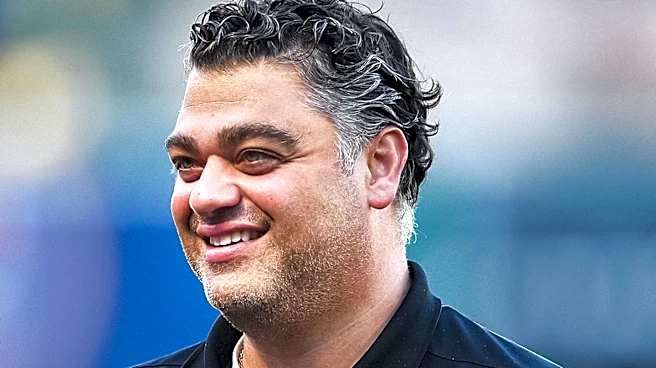
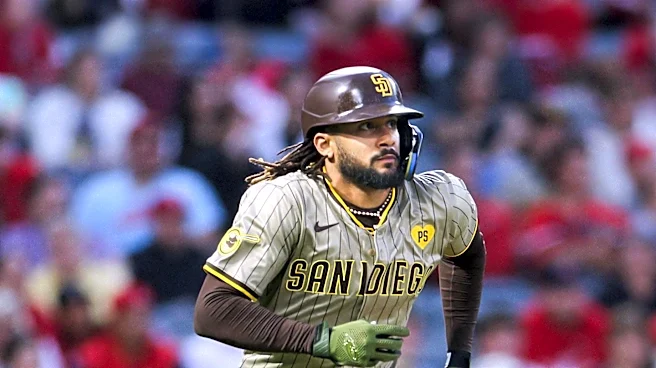
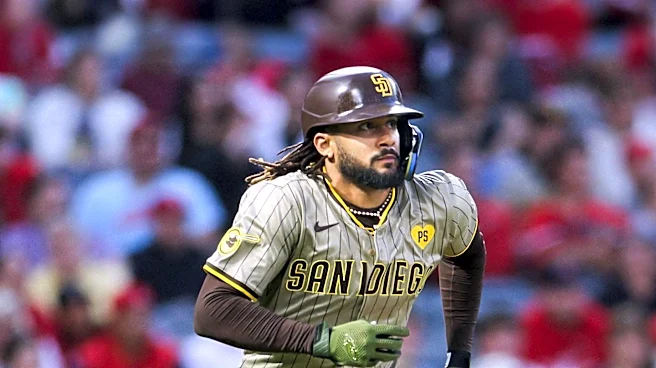
The San Diego Padres are reportedly facing significant trade speculation surrounding star player Fernando Tatis Jr. as a new ownership group evaluates the franchise's financial future. According to Bob Nightengale's column in USA Today, the Padres could
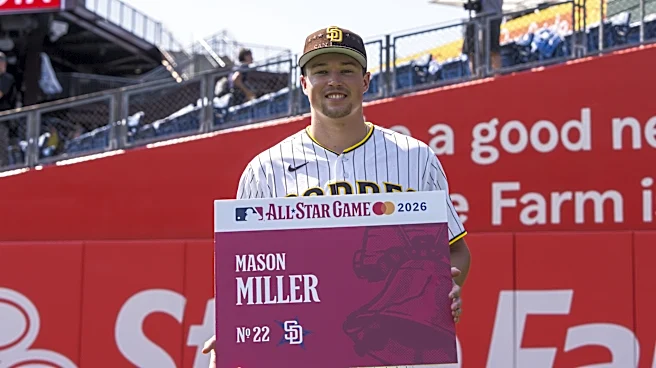
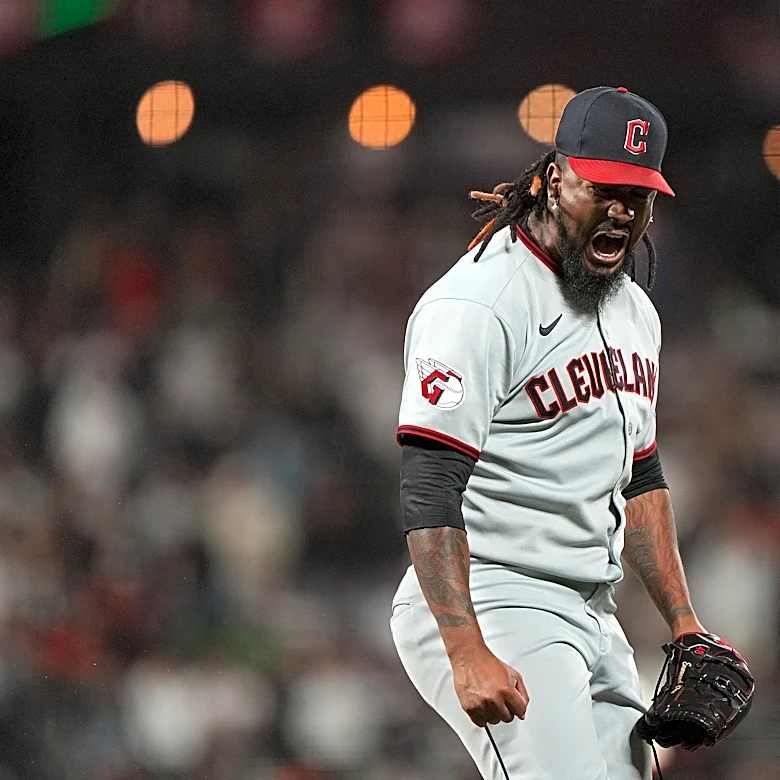
be looking to make aggressive roster changes, potentially including trading Tatis Jr. This comes as MLB teams prepare for a potential lockout, which could lead to increased trade activity. Tatis Jr., 27, is considered one of baseball's most dynamic talents, known for his power, speed, and defensive versatility. However, he has eight years and approximately $266 million remaining on his contract, which includes a full no-trade clause through 2028, making any potential move complex. The Padres' General Manager, A.J. Preller, is expected to assess the team's future direction, which could involve reshaping the roster. Another player drawing trade interest is relief pitcher Mason Miller, who recorded 38 saves and 129 strikeouts in 2026.
Why It's Important?
The potential trade of Fernando Tatis Jr. carries significant implications for both the San Diego Padres and Major League Baseball. For the Padres, moving a player of Tatis Jr.'s caliber, despite his substantial contract, could signal a major shift in the team's strategy under new ownership, possibly aimed at financial restructuring or a rebuild. Such a move would drastically alter the team's competitive outlook and fan engagement. For potential acquiring teams, Tatis Jr. represents a rare opportunity to add a young, established superstar, but his large contract and no-trade clause present considerable hurdles. The St. Louis Cardinals have been mentioned as a hypothetical destination, given their financial flexibility and young talent, and Tatis Jr.'s father's history with the team. A trade of this magnitude could also influence the broader MLB trade market, setting precedents for how teams handle high-value, long-term contracts in an evolving economic landscape for the sport.
What's Next?
The immediate future for Fernando Tatis Jr. and the San Diego Padres hinges on the direction set by the new ownership group and General Manager A.J. Preller's strategic decisions. While trade speculation is circulating, no confirmed links or active negotiations have been reported. Any potential trade involving Tatis Jr. would require his explicit approval due to his full no-trade clause through 2028, making player consent a critical factor. The upcoming general manager meetings could serve as a platform for teams to explore trade possibilities more aggressively, as noted by Bob Nightengale. The Padres will need to weigh the financial implications of Tatis Jr.'s remaining contract against the potential return in prospects and cost-controlled young players. Decisions regarding other key players like Mason Miller will also be part of the broader roster evaluation. The team's approach to the offseason will likely become clearer as free agency progresses and the new ownership's vision takes shape.
Beyond the Headlines
The speculation surrounding Fernando Tatis Jr.'s future with the Padres extends beyond typical trade discussions, touching upon the evolving dynamics of player contracts and team financial management in MLB. Tatis Jr.'s long-term, high-value contract, while reflecting his immense talent, also represents a significant financial commitment that new ownership might seek to re-evaluate. This situation highlights a broader trend in professional sports where teams balance superstar talent with fiscal responsibility, especially when ownership changes occur. The no-trade clause in Tatis Jr.'s contract underscores the increasing power of star athletes to control their careers, adding another layer of complexity to potential transactions. Furthermore, the hypothetical interest from teams like the St. Louis Cardinals, driven by both strategic fit and historical connections, illustrates how narrative and personal history can sometimes intersect with purely business decisions in sports. This scenario could set a precedent for how teams manage large contracts and player movement in the coming years.