





What's Happening?
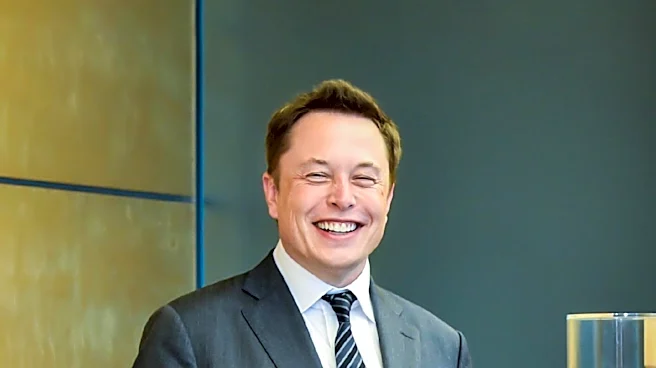
Elon Musk's SpaceX is reportedly in discussions to acquire EchoStar's Boost Mobile, or to secure alternative arrangements to leverage Boost Mobile's access to the networks of T-Mobile and AT&T. This move is seen as SpaceX's strategy to circumvent the 'MVNO
wall' established by major U.S. carriers like AT&T, T-Mobile, and Verizon, which have resisted entering into Mobile Virtual Network Operator (MVNO) agreements with SpaceX. The Washington Post has reported on these talks, indicating a significant deepening of ties between SpaceX and EchoStar. This potential acquisition follows EchoStar's sale of spectrum assets to AT&T and SpaceX in 2025, after regulators had initially hoped Dish Network, EchoStar's parent, would become the fourth major U.S. carrier.
Why It's Important?
This potential acquisition is a critical development in the U.S. telecommunications industry, as it could enable SpaceX to significantly expand its presence and challenge the dominance of the 'Big Three' carriers. Boost Mobile brings approximately 7 million subscribers and a cloud-native 5G core software stack, which would be valuable assets for SpaceX's cellular ambitions. While existing MVNO agreements are unlikely to transfer directly to SpaceX, the acquisition would provide a substantial platform for Starlink Mobile to grow its reach. This move could lead to increased competition, potentially benefiting consumers through more diverse service offerings and improved connectivity, especially in areas where traditional cellular coverage is limited. However, it also sets the stage for potential litigation, as major carriers may resist SpaceX's entry into the market.
What's Next?
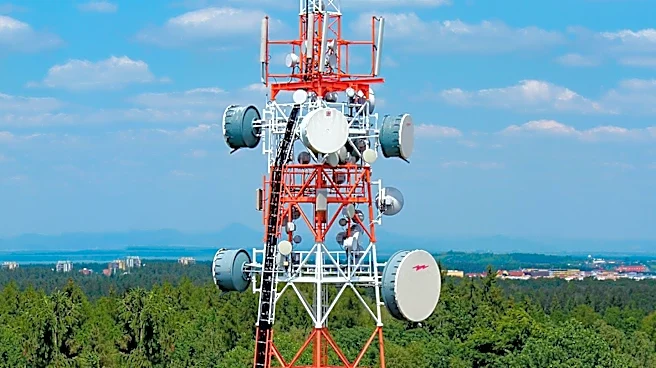
The ongoing talks between SpaceX and EchoStar could lead to a formal acquisition of Boost Mobile or another strategic arrangement. Should an acquisition proceed, it is highly probable that AT&T and T-Mobile would challenge the transfer of Boost Mobile's existing MVNO agreements, potentially leading to prolonged legal battles. SpaceX is also actively pursuing other avenues to build out its mobile network, including leasing 80,000 cell tower sites across the U.S. and seeking FCC approval for 15,000 V2 satellites capable of direct smartphone connectivity. The company is also exploring femtocell-type base stations on Starlink dishes to reduce capital expenditure. These efforts indicate a determined push by SpaceX to establish a robust cellular network, which will likely continue regardless of the outcome of the Boost Mobile negotiations.
Beyond the Headlines
The potential acquisition of Boost Mobile by SpaceX represents a broader strategic shift in how telecommunications services are delivered in the U.S. It highlights the increasing convergence of satellite technology and traditional cellular networks, driven by companies like SpaceX seeking to disrupt established market structures. This development could accelerate the deployment of advanced connectivity solutions, particularly in rural and underserved areas, by leveraging SpaceX's satellite infrastructure. However, it also raises questions about regulatory oversight and the competitive landscape, as the 'Big Three' carriers may view SpaceX's entry as a significant threat. The outcome of these negotiations and any subsequent legal challenges will not only shape the future of mobile connectivity but also influence the regulatory framework for emerging technologies in the U.S. telecom sector.