




What's Happening?
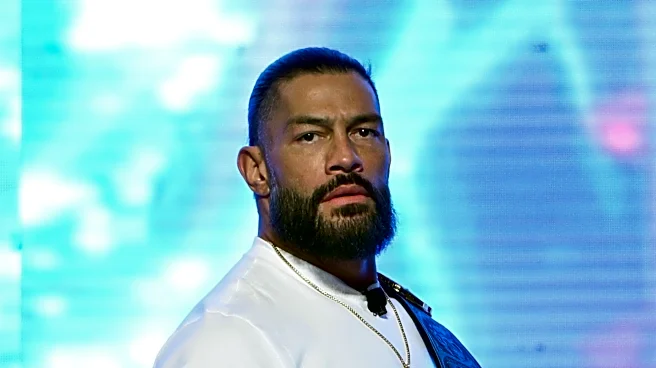
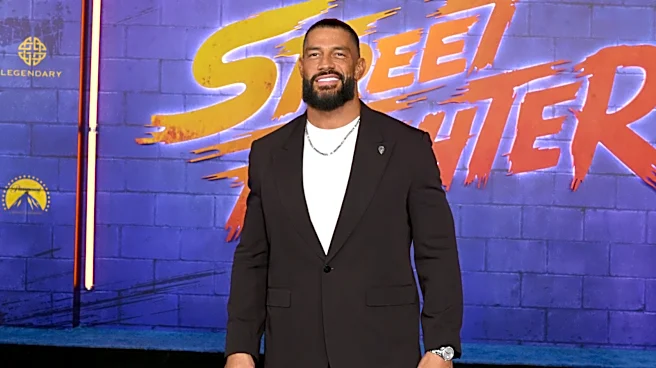
WWE President Nick Khan has stated that the company will review film and television opportunities for its wrestlers on a case-by-case basis. This approach was highlighted in a New York Times feature piece that included quotes from Khan, Roman Reigns,
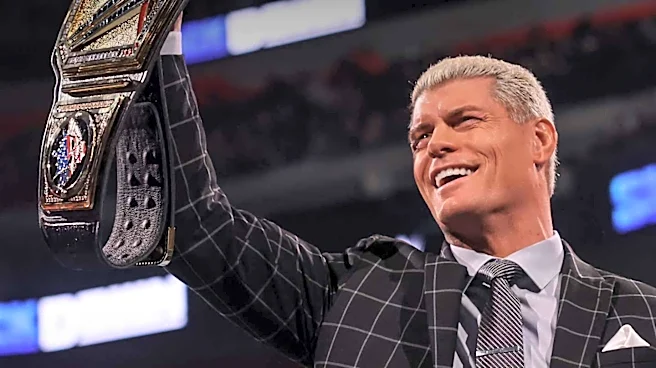
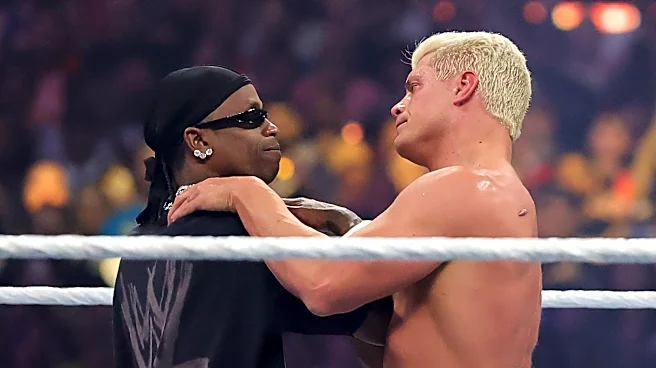
and Cody Rhodes. Khan expressed support for wrestlers pursuing outside projects, believing it enhances their popularity both outside and inside WWE. He specifically noted that Roman Reigns and Cody Rhodes have 'earned the right' to engage in such projects with WWE's full backing. For other wrestlers, the decision to approve external film and TV roles will be made individually, considering the specific circumstances of each opportunity. This policy aims to balance the wrestlers' career growth with the company's interests.
Why It's Important?
This policy is significant for the WWE and its talent as it formalizes a flexible approach to external media engagements. By supporting wrestlers in film and television, WWE can leverage these opportunities to increase the overall visibility and mainstream appeal of its stars, potentially attracting new audiences to wrestling. For wrestlers, it opens avenues for career diversification and personal brand building beyond the ring, offering financial and professional growth. The 'case-by-case' review suggests a strategic gatekeeping mechanism, allowing WWE to maintain control over its talent's public image and ensure that external projects align with company values and objectives. This could lead to more WWE stars appearing in mainstream media, blurring the lines between professional wrestling and Hollywood entertainment, and potentially increasing WWE's cultural footprint.
What's Next?
Moving forward, it is anticipated that more WWE wrestlers may seek and be granted opportunities in film and television, following the precedent set by high-profile stars like Roman Reigns and Cody Rhodes. The success of these initial ventures will likely influence the frequency and types of external projects approved by WWE. The company will continue to evaluate each request individually, considering factors such as the project's alignment with the wrestler's character, potential scheduling conflicts, and the overall benefit to both the individual and the WWE brand. This could lead to a more integrated relationship between WWE and the entertainment industry, potentially fostering new partnerships and revenue streams. Wrestlers will likely be keen to demonstrate their value and commitment to WWE to secure these coveted external roles.
Beyond the Headlines
The WWE's stance on external media projects reflects a broader trend in entertainment where traditional boundaries between different media forms are increasingly fluid. By encouraging its talent to engage in film and television, WWE is not just expanding individual careers but also strategically positioning itself as a multifaceted entertainment entity rather than solely a sports-entertainment company. This approach could redefine the career trajectory for professional wrestlers, offering them a pathway to mainstream celebrity status that extends beyond their in-ring performances. It also highlights the evolving nature of talent management in the digital age, where personal branding and cross-platform visibility are crucial for sustained success. The ethical implications of balancing corporate control with individual artistic freedom will remain a key consideration as this policy develops.