




What's Happening?
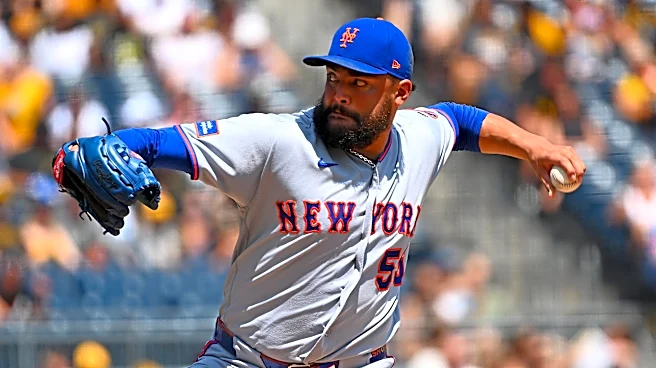
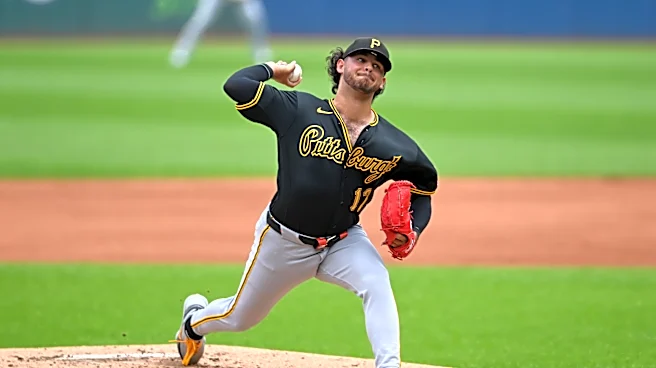
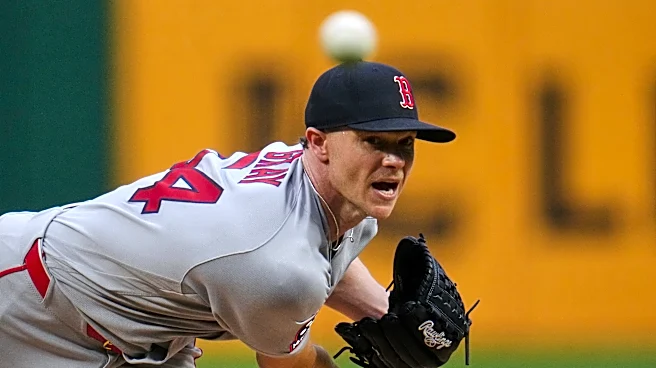
New York Mets pitcher Jack Weisenburger recently made his Major League Baseball debut, pitching the final two innings of an 11-1 victory in Pittsburgh. During his debut, Weisenburger allowed only one baserunner and struck out two batters, securing two scoreless
innings. He also pitched the final inning of a 6-3 loss in Atlanta. Weisenburger's call-up is part of a significant transformation of the Mets' pitching staff following the trading deadline, which saw the team trade two rotation members and four bullpen members. This overhaul has led to several new pitchers making their debuts or stepping into new roles. Other notable performances include Sean Manaea, who had a stellar seven-inning outing with eleven strikeouts, and Kodai Senga, who has excelled in a high-leverage relief role, converting three saves in five scoreless appearances. Daniel Duarte has also distinguished himself in a setup role, while Jefry Yan and Nate Lavender have shown promise in their initial big league appearances.
Why It's Important?
The extensive changes to the New York Mets' pitching staff, highlighted by Jack Weisenburger's debut, signify a strategic shift for the team in the latter part of the season. This influx of new talent and the repositioning of existing players, such as Kodai Senga moving to a relief role, are crucial for the team's performance and future prospects. The success of these new additions and role changes will directly impact the Mets' competitiveness and their ability to contend. For individual players like Weisenburger, a strong debut can be a career-defining moment, offering an opportunity to establish themselves in the major leagues. The performance of this revamped pitching staff will be closely watched by fans, analysts, and the organization, as it will inform future roster decisions and potentially influence the team's long-term strategy for player development and acquisition. The ability of these new pitchers to perform under pressure will be key to the Mets' success.
What's Next?
The Mets will continue to evaluate the performance of their transformed pitching staff, including Jack Weisenburger, as the season progresses. The team's management will be closely monitoring how these new and repositioned pitchers adapt to their roles and contribute to the team's overall success. Continued strong performances from players like Weisenburger, Senga, and Duarte could solidify their positions on the roster and influence the team's strategy for the upcoming seasons. Conversely, any struggles could lead to further adjustments or additional roster changes. The team's ability to integrate these new talents effectively will be critical in determining their standing in the league and their potential for a playoff push. The focus will be on maintaining consistency and developing chemistry among the new bullpen and rotation members.
Beyond the Headlines
The significant turnover in the Mets' pitching staff, exemplified by Jack Weisenburger's debut, reflects a broader trend in professional baseball where teams are increasingly willing to make substantial roster changes mid-season to address performance issues or build for the future. This approach highlights the dynamic nature of team management and the constant search for competitive advantages. It also underscores the high-stakes environment for young players making their MLB debuts, as their initial performances can heavily influence their career trajectories. The reliance on a mix of established veterans in new roles and promising rookies speaks to a strategic balancing act between immediate competitiveness and long-term development. This period of transition for the Mets could serve as a case study for how teams navigate roster overhauls and integrate new talent under pressure, with implications for player development philosophies and trade strategies across the league.