





What's Happening?
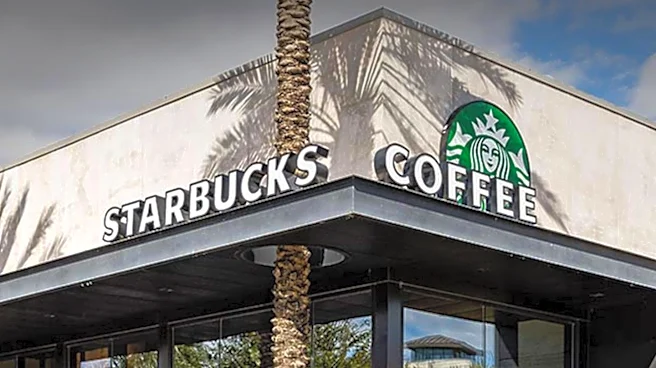
Starbucks, under the leadership of CEO Brian Niccol, is experiencing substantial positive momentum due to its 'Back to Starbucks' strategic plan. This initiative focuses on enhancing customer experience through faster service, a streamlined menu, updated
store designs, and a renewed emphasis on the welcoming café atmosphere. These efforts have translated into strong financial performance, with global comparable sales increasing by approximately 7.2% in the latest fiscal quarter. U.S. comparable sales saw an even higher rise of about 7.7%, attributed to both an increase in customer transactions and a larger average ticket size per order. The company also reported a significant boost in adjusted earnings per share and notable expansion in operating margins, driven by cost efficiencies and sales leverage. A key highlight was Starbucks achieving its highest U.S. company-operated sales day ever during its November holiday launch, indicating strong consumer response to its offerings and operational improvements.
Why It's Important?
The success of Starbucks' 'Back to Starbucks' plan is significant for the consumer discretionary sector and the broader U.S. economy. It demonstrates the effectiveness of strategic operational overhauls in mature consumer brands, particularly in a competitive market. The growth in comparable sales, driven by both increased traffic and higher spending per customer, signals robust consumer confidence and a willingness to spend on discretionary items like coffee. The improved operating margins and adjusted earnings per share indicate enhanced profitability and efficient management, which can attract investors and contribute to the company's long-term stability. Furthermore, the record-breaking sales day during the holiday launch underscores the brand's enduring appeal and its ability to execute successful seasonal campaigns, providing a positive outlook for future performance and potentially influencing strategies of other retail and food service companies.
What's Next?
Starbucks is poised to continue its growth trajectory, building on the success of its current strategy. The company has increased its dividend for the 16th consecutive year, signaling confidence in its financial health and commitment to shareholder returns. Additionally, Starbucks plans to resume approximately $1 billion in share repurchases in the new fiscal year, which could further boost shareholder value. A structural change involving the conversion of its China retail business to a licensed joint venture is expected to reduce direct exposure to intense competition in that market, potentially allowing for more focused efforts on core growth areas. The ongoing focus on operational efficiency, menu simplification, and store refreshes is likely to sustain positive sales momentum and margin expansion, as the company aims to solidify its market position and enhance customer loyalty.
Beyond the Headlines
The turnaround at Starbucks under Brian Niccol highlights a broader trend in the retail and food service industries: the critical importance of operational excellence and customer experience in driving sustained growth. In an era where consumers have numerous choices, the ability to deliver faster service, a simplified yet appealing menu, and a welcoming environment can be a significant differentiator. This success also underscores the power of brand revitalization, demonstrating that even established global brands can achieve new levels of performance through strategic adjustments. The company's ability to achieve record sales days suggests a strong connection with its customer base, which is crucial for navigating evolving consumer preferences and market challenges. This case study could serve as a model for other companies looking to rejuvenate their brand and operational efficiency in a dynamic consumer landscape.