


What's Happening?
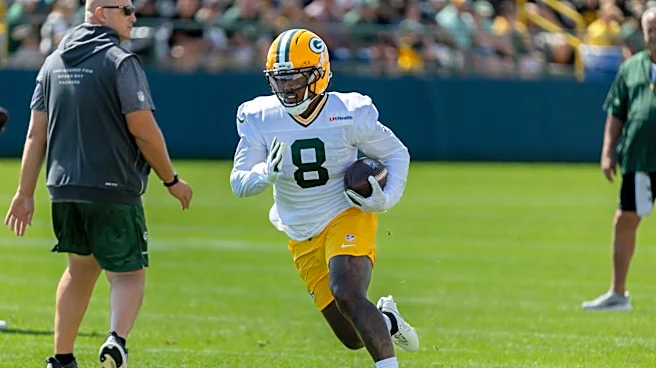
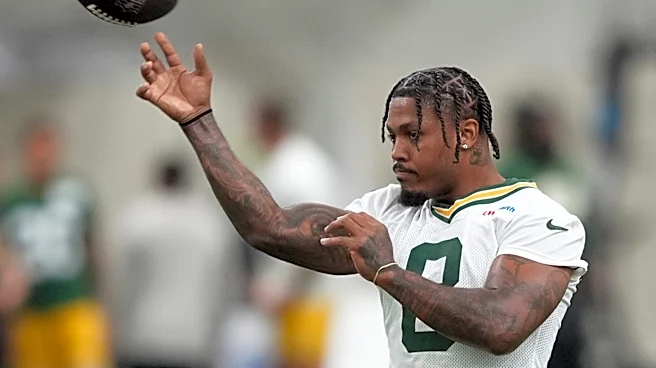
Green Bay Packers running back Josh Jacobs is currently on the Commissioner's Exempt List following misdemeanor charges of battery and criminal damage to property. These charges stem from an alleged domestic violence incident on May 23. Despite the ongoing
legal process and the NFL's investigation, Packers coach Matt LaFleur and General Manager Brian Gutekunst have expressed optimism that Jacobs will play for the team this season. LaFleur stated his trust in Jacobs as a person and teammate, acknowledging the unfortunate situation. Gutekunst confirmed he has not seen the video evidence that the Brown County (Wisconsin) District Attorney’s office claims corroborates statements made by Jacobs’ girlfriend regarding the altercation. Jacobs' lawyers have emphasized that placement on the exempt list is an administrative decision during review and not a final determination, with Jacobs looking forward to returning to the team and the NFL. The incident reportedly involved an argument over Jacobs' phone, escalating into a physical struggle where Jacobs' girlfriend sustained a lump on her head after being thrown to the ground.
Why It's Important?
The situation surrounding Josh Jacobs carries significant implications for the Green Bay Packers, the NFL, and the broader issue of domestic violence within professional sports. For the Packers, Jacobs' absence creates a void in their running back corps, potentially impacting their offensive strategy and performance. While other players like MarShawn Lloyd and Chris Brooks are being considered for increased roles, Jacobs is a three-time Pro Bowl selection, and his potential return or prolonged absence will directly affect the team's competitive outlook. For the NFL, this incident highlights the league's ongoing challenge in addressing domestic violence cases among its players. The Commissioner's Exempt List allows the league to remove a player from active duty while an investigation proceeds, demonstrating a commitment to addressing such allegations, but also raising questions about the timeline and transparency of these processes. The outcome of Jacobs' legal proceedings and the NFL's internal investigation will set a precedent for how similar cases are handled in the future, influencing public perception of the league's stance on player conduct and accountability.
What's Next?
The immediate next steps involve the ongoing legal process in Brown County, Wisconsin, where Josh Jacobs faces misdemeanor charges. The District Attorney's office possesses video evidence that they claim supports the allegations, which Gutekunst has not yet seen. The NFL's investigation into the incident will continue while Jacobs remains on the Commissioner's Exempt List. This list prevents him from playing or practicing but allows him to receive his paycheck. Any games missed while on this list would count towards a potential league suspension, and he would be required to repay any earnings during that period if suspended. The Packers' general manager, Brian Gutekunst, stated that the team will let the legal process play out and will be prepared for either outcome, indicating that a decision on Jacobs' future with the team, including a potential release, is contingent on these developments. The team will need to continue to assess their running back depth, with players like MarShawn Lloyd and Chris Brooks potentially seeing more playing time in Jacobs' absence.
Beyond the Headlines
Beyond the immediate impact on the Green Bay Packers' roster and Josh Jacobs' career, this situation underscores the complex interplay between legal proceedings, professional sports league policies, and public accountability. The existence of video evidence, even if not yet seen by team management, introduces a critical element that can significantly influence both the legal outcome and public perception. This case also brings to light the challenges faced by sports organizations in balancing player welfare, team performance, and ethical responsibilities in the context of serious allegations. The NFL's use of the Commissioner's Exempt List, while intended to address such situations, also raises questions about due process and the potential for players to be sidelined based on allegations before legal conclusions are reached. The incident further contributes to the ongoing societal conversation about domestic violence, its prevalence, and the role of high-profile individuals and organizations in addressing and preventing it. The resolution of this case will likely be scrutinized for its implications on player conduct standards and the league's commitment to upholding them.