
What's Happening?
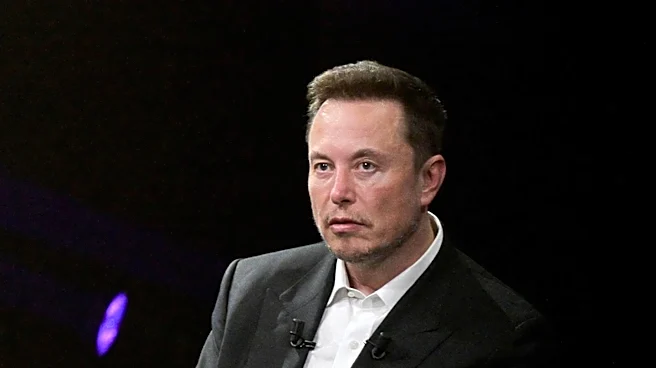
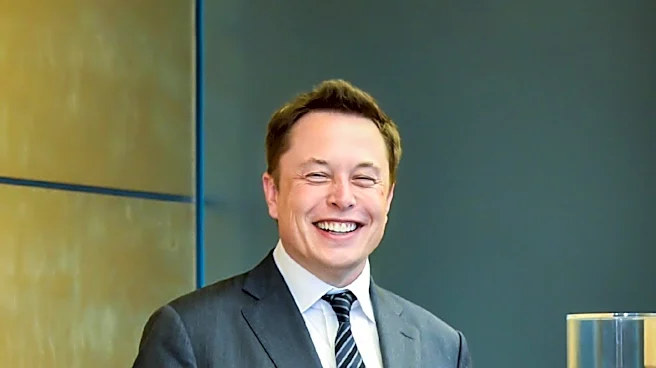
Elon Musk, CEO of Tesla, discussed the complexities involved in developing Optimus, a humanoid robot, during Tesla's second-quarter earnings call. Musk described the project as a 'very complex problem
to solve,' emphasizing the unprecedented nature of creating a robot with human-like capabilities. He highlighted the challenges in achieving human-level dexterity, reliability, and safety. Musk noted the absence of an existing supply chain for Optimus, necessitating Tesla to build one from scratch, including in-house production of some components. The company faces significant hurdles in scaling up manufacturing, with Musk stating that Optimus is the hardest product Tesla has ever attempted to mass-produce.
Why It's Important?
The development of Optimus represents a significant leap in robotics, with potential implications for various industries. If successful, Optimus could revolutionize sectors reliant on manual labor by providing a versatile, humanoid workforce. This could lead to increased efficiency and reduced labor costs. However, the challenges highlighted by Musk underscore the technical and logistical barriers that must be overcome. The project's success could position Tesla as a leader in robotics, potentially influencing the future of automation and AI integration in everyday tasks. The endeavor also reflects broader trends in the tech industry towards developing advanced AI and robotics solutions.
What's Next?
Tesla will continue to address the technical and manufacturing challenges associated with Optimus. The company will need to establish a robust supply chain and refine its production processes to achieve the desired scale. Stakeholders, including investors and industry analysts, will likely monitor Tesla's progress closely, given the project's potential impact on the company's future. The success of Optimus could prompt other tech companies to accelerate their own robotics initiatives, potentially leading to increased competition and innovation in the field.