


What's Happening?
Tony Xu, co-founder and CEO of DoorDash, asserts that the proliferation of AI agents will lead to an increased demand for physical delivery networks and human labor. Speaking at Wave by Vento in Turin, Xu explained that while AI agents excel at automating
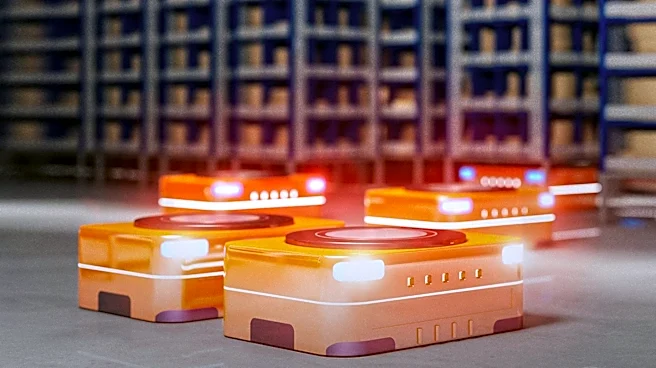
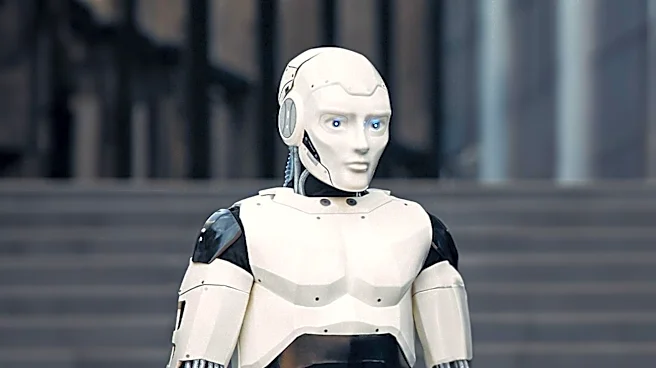
online tasks, their utility often hinges on fulfilling recurring physical actions such as shopping, eating, or picking up and returning items. He highlighted that these actions cannot be completed solely through digital responses, thereby necessitating a greater need for logistical networks and human workers. DoorDash is actively integrating various delivery methods, including human Dashers, autonomous robots like 'Dot' operating in Phoenix, and drone systems, with a platform that intelligently assigns each order to the most suitable delivery mechanism. The company also launched an AI ordering agent within Apple Messages in September, which leverages user history and preferences.
Why It's Important?
This perspective from a leading figure in the gig economy challenges the widespread concern that AI and automation will inevitably displace human jobs. Xu's argument suggests a symbiotic relationship where AI-driven efficiency in online ordering could paradoxically create more opportunities for human intervention in the physical world. For the U.S. labor market, this could mean a sustained or even growing demand for delivery personnel, potentially mitigating some of the anxieties surrounding job displacement due to technological advancements. For businesses, particularly those in logistics and last-mile delivery, it underscores the importance of developing integrated systems that can seamlessly combine AI, robotics, and human labor to meet evolving consumer demands. This approach could lead to more resilient and adaptable supply chains, capable of handling increased order volumes generated by AI-powered convenience.
What's Next?
DoorDash aims to expand its last-mile network within the next five years to deliver 'anything,' indicating a strategic move beyond just food delivery into a broader range of goods. This expansion will likely involve further integration of its diverse delivery fleet, including human Dashers, robots, and drones, coordinated by its central platform. The company will continue to refine its AI agents to streamline the ordering process, potentially leading to higher transaction volumes. As DoorDash operates in 40 countries, it will also focus on adapting its operations to the unique logistical and cultural landscapes of different cities, which often present challenges distinct from the U.S. market. The success of this strategy will depend on the effective coordination of technology and human resources, as well as navigating regulatory environments concerning autonomous delivery and gig worker classifications.
Beyond the Headlines
The vision articulated by Tony Xu points to a future where AI acts as an orchestrator, enhancing human productivity rather than replacing it entirely. This paradigm shift could redefine the nature of work in the service sector, emphasizing the unique value of human adaptability and problem-solving in complex physical environments. It also raises ethical considerations regarding the balance between technological efficiency and fair labor practices, especially as companies like DoorDash increasingly rely on a hybrid workforce. The development of sophisticated platforms that can dynamically allocate tasks between humans and machines will be crucial, requiring advancements in AI decision-making and real-time logistics. This integrated approach could set a precedent for other industries grappling with automation, fostering a model where technology amplifies human capabilities and creates new economic opportunities.