

What's Happening?
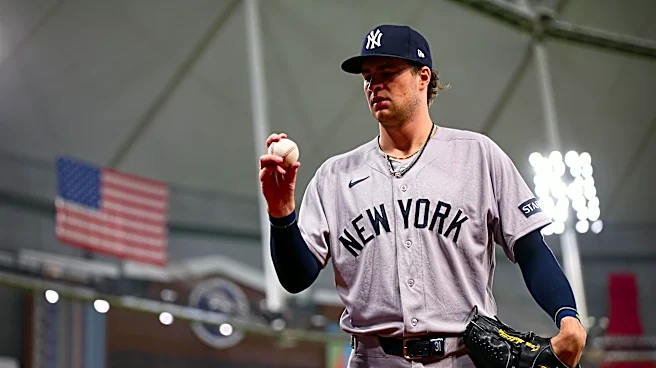
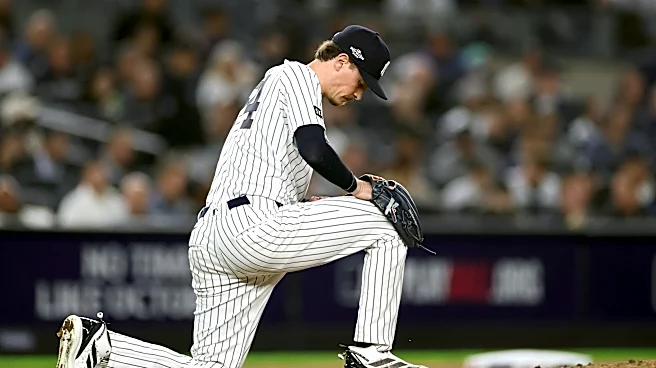
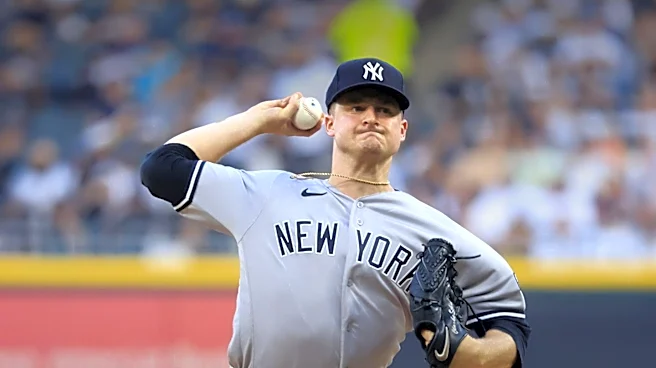
The New York Yankees are considering re-signing right-handed pitcher David Bednar, who is entering free agency after a season where he made 64 appearances, posted a 2.47 ERA, and saved 35 games. The Yankees have extended a qualifying offer to Bednar, but
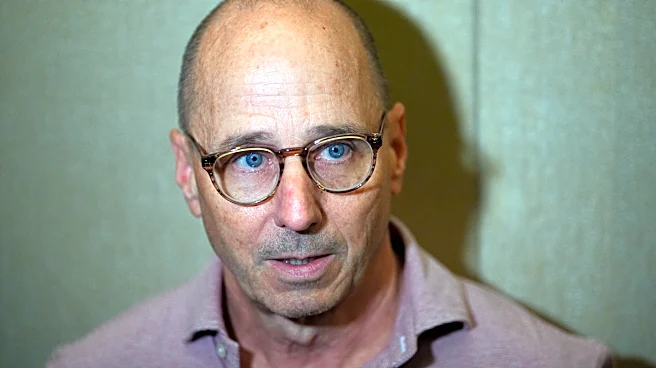
MLB analyst Zachary D. Rymer of Bleacher Report has listed him as a 'buyer-beware' free agent. Concerns stem from a noticeable drop in Bednar's strikeout rate in 2026 compared to 2025, and his average fastball velocity decreased by 0.9 mph over the past year. At 32 years old, there is speculation that his performance may begin to decline. Despite these warnings, the Yankees front office, which is familiar with Bednar's performance and leadership, may still opt to pursue a multi-year deal if they view the risks as minor. General Manager Brian Cashman has acknowledged the bullpen as a significant area of need for the team this offseason, with several key relievers, including Bednar, becoming free agents.
Why It's Important?
The decision regarding David Bednar is crucial for the New York Yankees as they aim to rebuild their bullpen following an early playoff exit and the impending free agency of several key relievers. Securing a reliable closer is vital for any MLB team, especially one with championship aspirations. If the Yankees re-sign Bednar, they would retain a proven presence in high-leverage situations, which could stabilize the back end of their bullpen. However, committing to a multi-year, high-value contract for a relief pitcher showing signs of declining velocity and strikeout rates carries significant financial and performance risks. Such an investment could limit their flexibility to address other roster needs or acquire other high-performing relievers. Conversely, if they let Bednar walk, they would need to find a replacement, either through trade or free agency, to fill a critical void in their bullpen, which Brian Cashman has identified as the team's biggest need.
What's Next?
David Bednar has until November 17 to decide on the qualifying offer extended by the Yankees. If he declines, he will become a full free agent, and the Yankees will need to decide whether to pursue a long-term contract with him or explore other options to bolster their bullpen. General Manager Brian Cashman has indicated that the bullpen is a top priority, with multiple avenues being considered, including trades and other free-agent acquisitions. The Yankees are also looking at internal solutions to fill the vacancies. The outcome of Bednar's decision will significantly influence the Yankees' offseason strategy, particularly in how they allocate resources to address their bullpen needs. Other teams, such as the Detroit Tigers, are also looking to strengthen their bullpens, potentially creating a competitive market for top relief pitchers like Bednar.
Beyond the Headlines
The situation with David Bednar highlights a broader challenge in professional baseball: the inherent volatility and risk associated with investing heavily in relief pitchers, particularly as they age. Bullpen arms can be highly inconsistent from year to year, making long-term contracts for even proven closers a gamble. The Yankees' dilemma reflects a common strategic tension between rewarding past performance and mitigating future risk. The declining strikeout rate and fastball velocity, while seemingly minor, are often early indicators of a pitcher's effectiveness waning. This situation also underscores the increasing reliance on advanced analytics in player evaluation, where metrics beyond traditional ERA and saves are scrutinized to project future performance. The Yankees' decision will not only impact their immediate competitive outlook but also serve as a case study in how major league teams balance loyalty, risk assessment, and strategic roster construction in a highly competitive and financially driven environment.