





What's Happening?
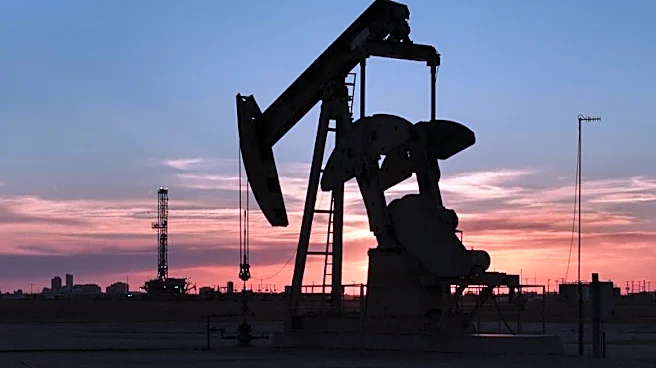
Oil prices experienced volatility as tensions surrounding the Strait of Hormuz continue. Initially, prices rose by 2.5% but later reversed, with Brent crude settling at $87.61 per barrel and U.S. benchmark crude at $82.19 per barrel. This fluctuation
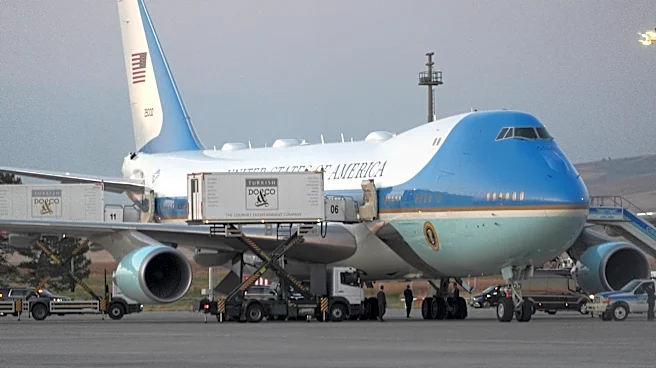
follows President Trump's dismissal of Iran's demands for compensation related to war damages as a condition for reopening the strait. Major U.S. oil companies like Chevron, ExxonMobil, and ConocoPhillips saw their shares stabilize after a previous surge.
Why It's Important?
The Strait of Hormuz is a critical chokepoint for global oil supply, and its closure impacts oil prices and market stability. The ongoing geopolitical tensions between the U.S. and Iran could lead to further disruptions in oil flow, affecting global energy markets and consumer prices. The situation underscores the interconnectedness of international relations and economic stability, with potential implications for U.S. foreign policy and energy security.
What's Next?
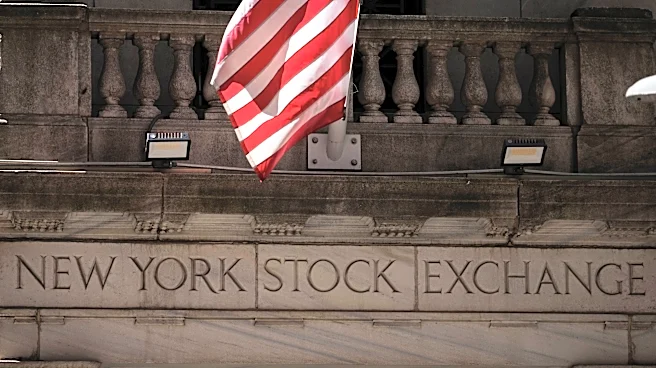
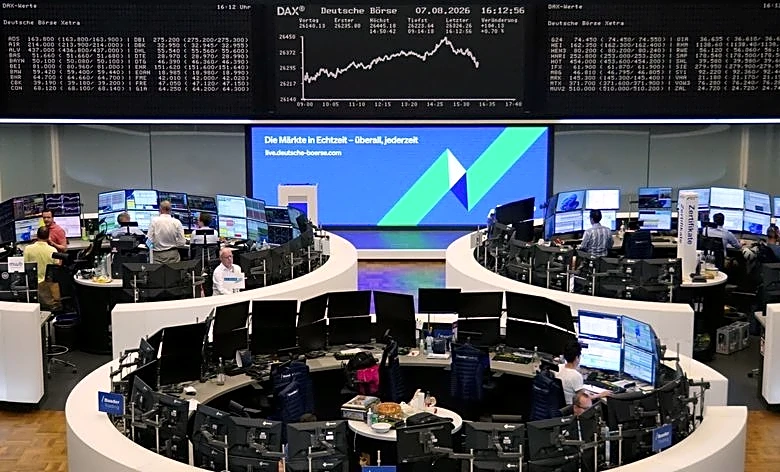
The reopening of the Strait of Hormuz remains uncertain, with potential diplomatic negotiations between the U.S. and Iran. Wall Street is closely monitoring these developments, particularly ahead of the U.S. inflation report, which could influence Federal Reserve decisions on interest rates. The outcome of these geopolitical tensions will likely impact oil prices and broader economic indicators.
Beyond the Headlines
The situation highlights the vulnerability of global energy markets to geopolitical conflicts. It raises questions about the sustainability of relying on oil from politically unstable regions and the need for diversifying energy sources. The economic impact extends beyond oil prices, affecting inflation rates and consumer costs, which could lead to broader discussions on energy policy and international diplomacy.