





What's Happening?
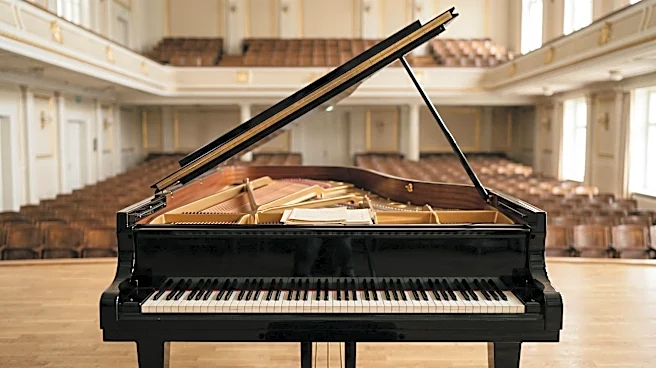
The Colburn School presented 'Voices of Vienna,' a concert that showcased works by composers Hugo Kauder, Eric Zeisl, Ernst Toch, and Ernst Krenek. These lesser-known artists were largely obscured by Nazi oppression and overshadowed by more prominent
figures of their era. The performance, presented by Music Restored: The Ziering-Conlon Center for Exiled and Suppressed Composers, aimed to unearth this generation of silenced voices. The program included Kauder’s second string quartet, Zeisl’s 'Brandeis' Sonata, a selection of piano pieces by Toch, and Krenek’s 'Triophantasie.' A pre-concert panel discussion with music critic Alex Ross, Barbara von Bechtolsheim of the Hugo Kauder Society, and violinist Adam Millstein explored the composers' lives in both Vienna and Los Angeles, a significant place of exile for many.
Why It's Important?
This concert is vital for the preservation and recognition of a significant, yet often overlooked, part of classical music history. By bringing these works to light, the Colburn School and Music Restored contribute to a more complete understanding of 20th-century classical music, challenging the historical narrative that often omits artists affected by political persecution. For U.S. audiences, it offers an opportunity to engage with music that was suppressed due to historical atrocities, fostering a deeper appreciation for artistic freedom and cultural heritage. The project also highlights the role of institutions like the Colburn School in academic and artistic recovery efforts, ensuring that the legacies of these composers are not lost to time.
What's Next?
The Ziering-Conlon Center for Exiled and Suppressed Composers will likely continue its mission to research, perform, and archive works by composers affected by Nazi oppression. This concert may inspire further performances, recordings, and scholarly work on these and other suppressed composers. Educational institutions and orchestras may be encouraged to incorporate these rediscovered works into their curricula and concert programs, broadening the repertoire available to musicians and audiences. The ongoing efforts of Music Restored could lead to a more permanent integration of these 'recovered voices' into the mainstream classical music canon, ensuring their lasting impact.
Beyond the Headlines
The 'Voices of Vienna' concert delves into profound ethical and cultural implications. It serves as a powerful reminder of the destructive impact of political extremism on artistic expression and human lives. The act of recovering and performing this music is a form of historical justice, giving voice to those who were silenced. It also prompts reflection on the broader responsibility of cultural institutions to preserve and interpret history, especially when it involves difficult or uncomfortable truths. The concert underscores the resilience of art and the enduring power of music to transcend oppression, offering a poignant connection to the past and a lesson for the future about the importance of artistic freedom and cultural diversity.