






What's Happening?
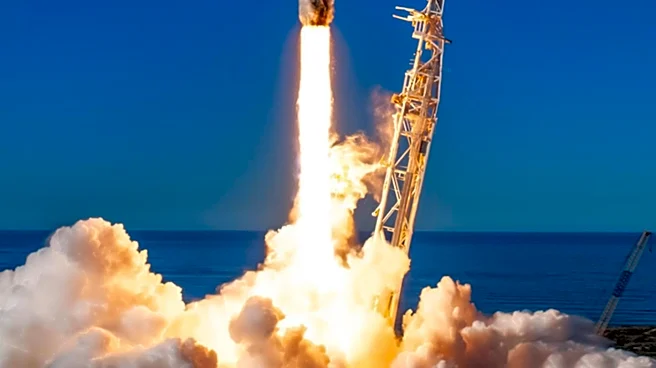
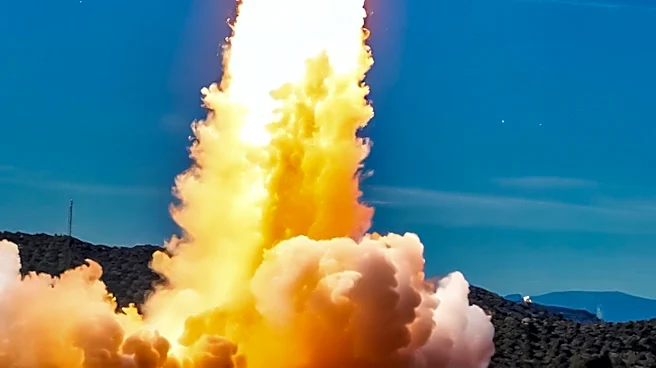
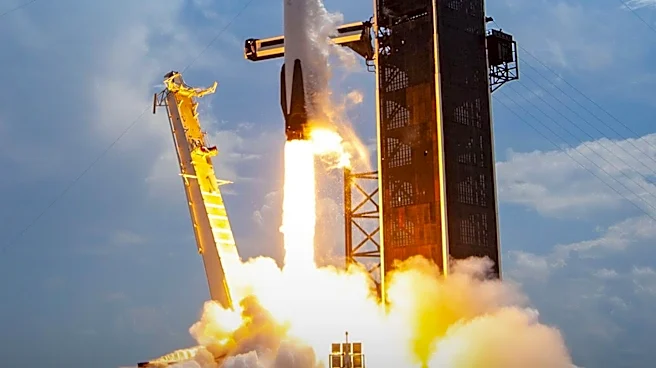
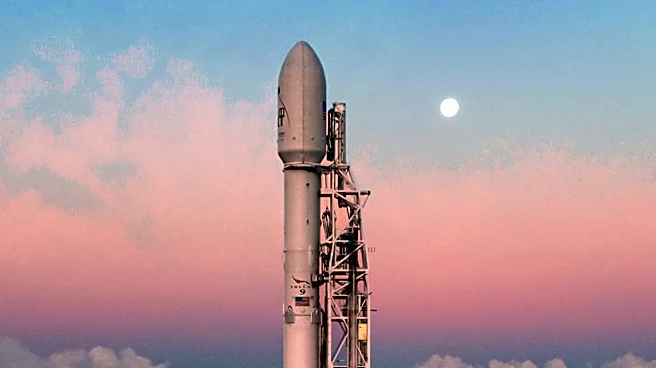
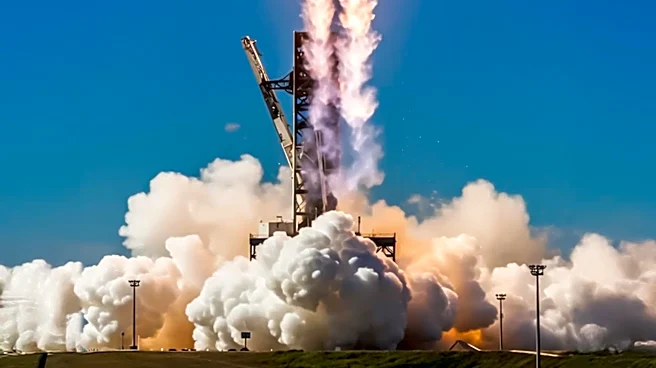
SpaceX launched a Falcon 9 rocket from Vandenberg Space Force Base, California, carrying 24 Starlink satellites into low-Earth orbit. The mission, known as Starlink 17-48, took off at 8 p.m. PDT and marked the 35th mission for the booster B1071. After
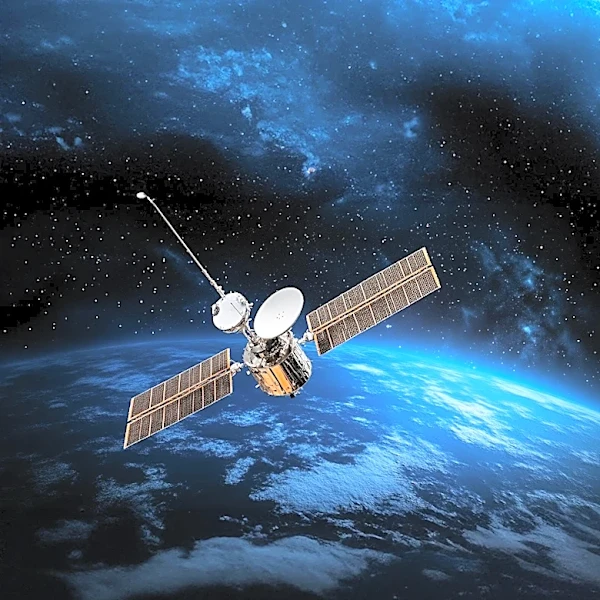
the launch, the booster successfully landed on the drone ship 'Of Course I Still Love You' in the Pacific Ocean. SpaceX's Starlink constellation, which now includes over 10,700 satellites, aims to provide global broadband internet service. The company continues to expand this network through regular launches from both Vandenberg and Cape Canaveral.
Why It's Important?
The continued expansion of the Starlink network is crucial for improving global internet access, especially in remote and underserved regions. By deploying more satellites, SpaceX enhances its capacity to deliver high-speed internet services worldwide. This mission also highlights SpaceX's focus on cost reduction through the reuse of rocket boosters, a key factor in maintaining its competitive edge in the space industry. The successful reuse of boosters like B1071 demonstrates the effectiveness of SpaceX's approach to sustainable space operations, potentially influencing future commercial and governmental space endeavors.
What's Next?
SpaceX is expected to maintain its rapid launch cadence to further expand the Starlink network. The company is also seeking regulatory approval to increase the number of satellites in orbit, which would significantly boost its service capabilities. As the network grows, SpaceX may encounter challenges related to space traffic management and regulatory compliance. The success of these missions could shape future policies on satellite deployment and influence the competitive landscape of satellite internet providers.