


What's Happening?
Frederic Magazine has published an article titled '17 High-Style Home Offices from the FREDERIC Archives,' highlighting various design approaches to create functional and aesthetically pleasing home workspaces. The article emphasizes moving beyond traditional,
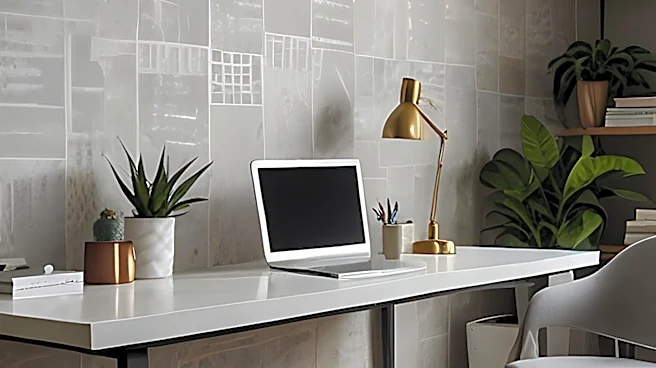
utilitarian office setups to embrace style and comfort, even for those working in pajamas. Featured designs include tucked-away nooks, cozy library corners, colorful studies, and rooms designed to maximize views. Examples provided range from a California barn loft with an Alvar Aalto table that doubles as an entertaining surface, to a Bedford farmhouse library serving as an office with white oak paneling, and a Palm Beach bungalow library with vibrant teal walls and a sunny window seat. The publication also showcases how underused spaces, such as a former pantry, can be transformed into personalized office nooks with built-in desks and decorative elements. The overarching theme is to integrate style and function, making home offices more inviting and versatile.
Why It's Important?
The increasing prevalence of remote work has elevated the importance of well-designed home office spaces. This trend, highlighted by Frederic Magazine, reflects a broader societal shift where the home is no longer solely a personal sanctuary but also a primary workplace for many. Investing in high-style and functional home offices can significantly impact productivity, mental well-being, and the overall work-life balance of individuals. For industries related to interior design, furniture manufacturing, and home decor, this emphasis on sophisticated home office setups presents a substantial market opportunity. Consumers are increasingly seeking ergonomic solutions, multi-functional furniture, and personalized aesthetics, driving demand for innovative products and design services. The article underscores that a thoughtfully designed home office can transform the daily work experience, making it more enjoyable and efficient, which in turn can lead to higher job satisfaction and reduced stress for remote workers across the U.S.
What's Next?
As remote and hybrid work models continue to evolve, the demand for innovative home office solutions is expected to grow. Interior designers and furniture manufacturers will likely continue to focus on creating versatile, space-saving, and aesthetically pleasing options that cater to diverse needs and preferences. We can anticipate a continued trend towards integrating technology seamlessly into home office designs, as well as an increased emphasis on sustainable and health-conscious materials. Retailers like IKEA and Target, which already offer a range of home office furniture, may expand their collections to include more high-end or customizable options, mirroring the design philosophies presented in Frederic Magazine. Furthermore, the concept of 'multitasking' spaces, where a home office can easily transition into a living area or entertainment zone, will likely become more prevalent, influencing future architectural and interior design trends for residential properties.
Beyond the Headlines
The shift towards high-style home offices, as detailed by Frederic Magazine, signifies a deeper cultural re-evaluation of the workspace. It challenges the traditional notion that offices must be sterile and purely functional, instead advocating for environments that inspire creativity and comfort. This trend blurs the lines between professional and personal spaces, potentially leading to a more integrated lifestyle where work is less of a separate entity and more a part of daily living. Ethically, this raises questions about the right to a comfortable and inspiring workspace, even when working from home, and how employers might support such environments. Legally, it could influence discussions around tax deductions for home office improvements or employer-provided stipends for home office setups. Culturally, it reflects a growing appreciation for design and personal expression within all aspects of life, including work, suggesting a long-term shift in how Americans perceive and interact with their professional environments.