





What's Happening?
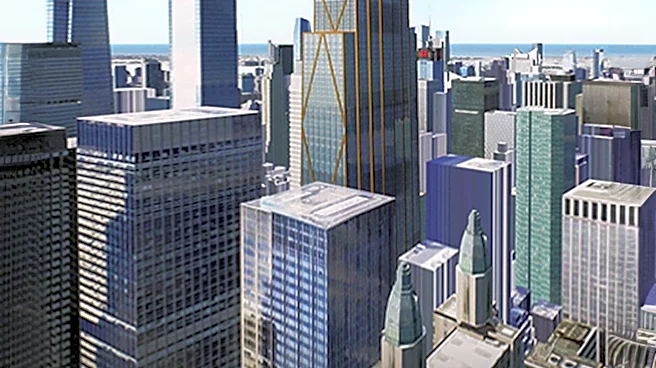
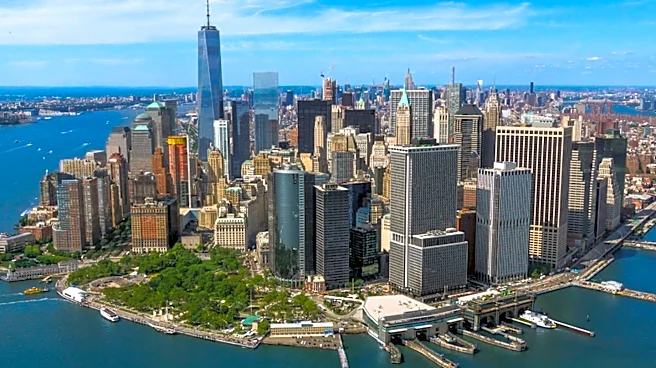
New York City's commercial real estate market presented a mixed picture in August, according to the latest Economic Snapshot from the New York City Economic Development Corporation (NYC EDC). Citywide office visitation saw a modest year-over-year increase
of 2.3 percentage points. However, month-over-month visitation declined to approximately 70% of pre-pandemic levels across all buildings, and 76% for Class A+ buildings, a trend attributed to factors such as summer vacations. Despite this, both the office availability rate and vacancy rate showed slight improvement. In contrast, the citywide retail vacancy rate remained flat at 4.5%, which is higher than the 12-month average of 3.4% observed in 2019. The residential sector continued to face affordability pressures, with asking rents increasing for the seventh consecutive month in August. The median asking rent citywide has risen by $403 over the past two years, reaching nearly $4,000, while rental inventory has decreased by 14%, as reported by StreetEasy data.
Why It's Important?
These mixed indicators highlight the ongoing adjustments and challenges within New York City's commercial and residential real estate markets. The slight improvement in office vacancy rates suggests a potential stabilization or slow recovery in the office sector, which is crucial for the city's economic health and tax base. However, the continued below-pre-pandemic office visitation levels indicate that hybrid work models or other factors are still impacting daily office occupancy. The flat retail vacancy rate, remaining above 2019 levels, points to persistent difficulties for brick-and-mortar businesses, potentially affecting local employment and consumer spending patterns. The significant increase in residential asking rents and the decline in inventory exacerbate affordability issues for residents, which can lead to demographic shifts, impact workforce retention, and strain social services. These trends collectively influence the city's economic resilience and its attractiveness as a place to live and work, with potential long-term implications for urban planning and policy decisions.
What's Next?
The NYC EDC's ongoing monitoring of these indicators will be crucial for understanding the trajectory of New York City's real estate market. Future reports will likely provide more clarity on whether the slight improvements in office vacancy rates are sustainable or if they represent temporary fluctuations. Stakeholders, including city planners, real estate developers, and businesses, will be closely watching these trends to inform investment decisions and policy adjustments. For the residential market, continued increases in asking rents and declining inventory may prompt further discussions on housing affordability initiatives and potential regulatory interventions. The city may explore strategies to increase housing supply or provide rental assistance to mitigate the impact on residents. Businesses in the retail sector will need to adapt to evolving consumer behaviors and market conditions, potentially leading to new business models or changes in commercial space utilization. The interplay between these sectors will shape the city's economic landscape in the coming months.
Beyond the Headlines
The mixed real estate indicators in New York City reflect broader shifts in urban living and working patterns that extend beyond simple economic figures. The persistent below-pre-pandemic office visitation, despite slight improvements in vacancy rates, underscores a fundamental change in how and where people work. This could lead to a re-evaluation of the purpose and design of commercial office spaces, potentially fostering more flexible or mixed-use developments. The ongoing residential affordability crisis, driven by rising rents and dwindling inventory, highlights a critical social challenge. This situation can exacerbate income inequality, displace long-term residents, and impact the city's cultural diversity. The long-term implications could include a shift in the city's demographic composition and a potential brain drain if housing costs become prohibitive for essential workers and young professionals. Addressing these issues will require innovative policy solutions that balance economic growth with social equity, potentially influencing urban development strategies for decades to come.