


What's Happening?
A fashion expert, Leanna Spektor, co-founder of Brand House Direct, has identified seven wardrobe staples traditionally considered 'essentials' that she believes are now outdated. These items include crisp white button-down shirts, ultra-skinny jeans,
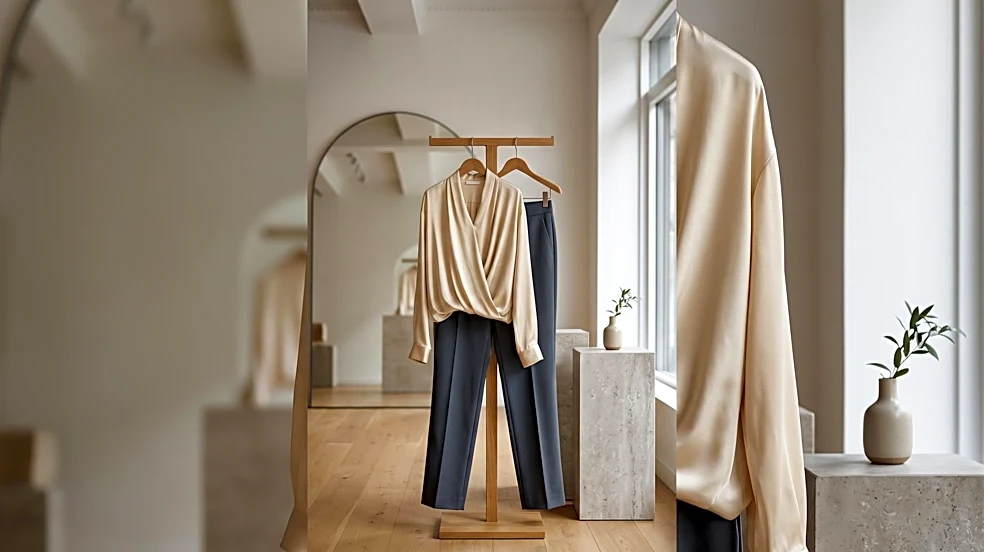
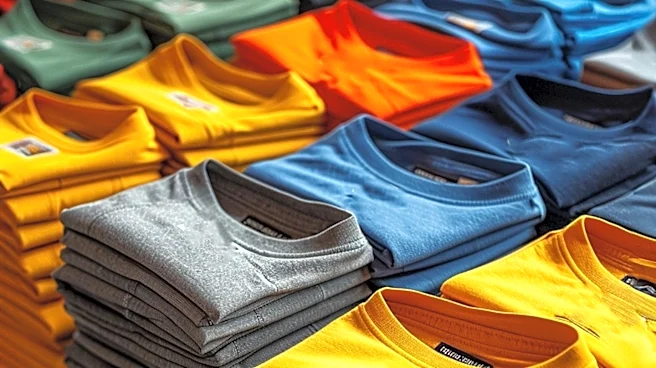
flimsy ballet flats, overly fitted black blazers, pencil skirts, plain black pumps, and basic crew-neck T-shirts. Spektor argues that many of these items are high-maintenance, restrictive, or no longer align with current fashion trends and comfort preferences. For instance, she suggests replacing crisp white button-downs with relaxed poplin or silk-blend blouses, and ultra-skinny jeans with straight-leg or slim-fit alternatives. The expert also recommends more structured footwear like loafers or Mary Janes over flimsy ballet flats, and oversized or boyfriend-style blazers instead of tight-fitting ones. Her critique extends to pencil skirts, which she finds uncomfortable, and plain black pumps, suggesting neutral shades for greater versatility. Finally, she advocates for V-neck or scoop-neck T-shirts over traditional crew necks for a more flattering look.
Why It's Important?
This re-evaluation of wardrobe essentials is important as it reflects a broader shift in consumer preferences towards comfort, versatility, and practicality in fashion. For the U.S. retail and apparel industry, this could signal a decline in demand for certain 'classic' items and an increased focus on more relaxed, adaptable clothing. Brands that continue to heavily market these 'outdated' staples might see reduced sales, while those that innovate with more comfortable and contemporary designs could gain market share. Consumers, particularly millennials who have long adhered to these traditional essentials, are being encouraged to reconsider their purchasing habits, potentially leading to a refresh of their wardrobes. This trend also highlights the evolving nature of fashion, where comfort and personal style are increasingly prioritized over rigid, formal dress codes, impacting everything from office wear to casual attire across American society.
What's Next?
The fashion industry is likely to continue adapting to these evolving consumer preferences. We may see more brands introducing relaxed-fit garments, a wider array of neutral-toned footwear, and diverse denim silhouettes beyond skinny jeans. Retailers might adjust their inventory to reflect these shifts, potentially phasing out some of the 'outdated' items or offering them in updated, more comfortable versions. Fashion influencers and stylists will likely continue to promote these newer trends, further influencing consumer choices. Consumers, in turn, may become more discerning in their purchases, prioritizing comfort and modern aesthetics over traditional 'must-have' lists. This could lead to a more personalized approach to fashion, where individuals select pieces that genuinely suit their lifestyle and body type, rather than blindly following prescribed essentials.
Beyond the Headlines
The deeper implication of this shift is a challenge to the very concept of a 'universal wardrobe essential.' For decades, fashion advice often dictated a specific set of items every woman 'needed' to own, fostering a sense of conformity. This expert's perspective suggests a move towards greater individuality and self-awareness in fashion choices. It encourages consumers to question whether an item truly serves their needs and comfort, rather than simply adhering to a perceived standard. This cultural shift could empower individuals to develop a more authentic personal style, reducing the pressure to conform to external fashion dictates. It also highlights the growing influence of comfort and practicality in modern life, reflecting a broader societal trend where well-being and personal comfort are increasingly valued across various aspects of daily living, including how people dress.