








What's Happening?
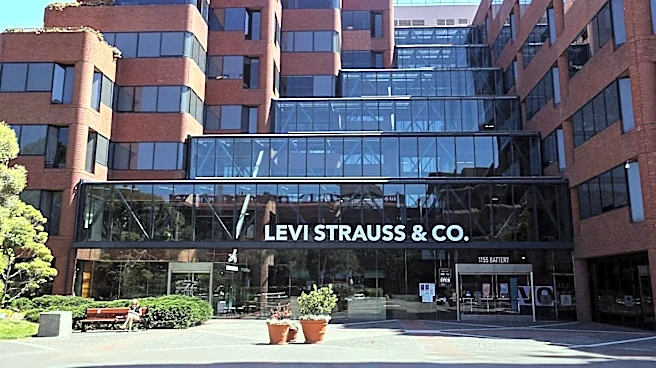
Levi Strauss & Co. is among several brands that actively protect their trademarks against unauthorized products, including those marketed as 'replicas' or 'superfakes.' Trademark law, specifically the Lanham Act, aims to prevent consumer confusion, and courts
have consistently ruled that a seller cannot avoid liability simply because an immediate purchaser knows a product is a copy. This legal principle extends beyond the initial point of sale to address 'post-sale confusion,' where third parties might encounter the product and mistakenly believe it is genuine or authorized by the trademark owner. For instance, a 1986 case, Lois Sportswear, U.S.A., Inc. v. Levi Strauss & Co., affirmed an injunction against jeans with substantially similar pocket stitching, recognizing that labels did not eliminate likely source confusion once the jeans were seen after sale. This demonstrates that the harm to a brand's goodwill and reputation can occur even when the initial buyer is aware they are purchasing an inauthentic item.
Why It's Important?
The ongoing legal battles against 'replica' products are crucial for U.S. industries, particularly for brands like Levi Strauss & Co. that have invested significantly in building their brand identity and reputation. The concept of 'post-sale confusion' is vital because it acknowledges that the harm from counterfeits extends beyond the initial transaction. When unauthorized products circulate, they can dilute the distinctiveness of a brand's mark, undermine its reputation for quality, and erode the goodwill it has cultivated. This impacts not only the brand's sales but also its perceived value and market position. For luxury brands, the prestige and exclusivity associated with their trademarks are particularly vulnerable to the widespread availability of replicas. Protecting trademarks against such infringements ensures fair competition, safeguards consumer trust, and preserves the economic value of intellectual property for companies operating in the U.S. market.
What's Next?
Brand owners, including Levi Strauss & Co., are expected to continue leveraging legal avenues to combat the sale of counterfeit and replica goods. The legal framework, particularly the post-sale confusion doctrine, remains a powerful tool for these companies. Businesses that market unauthorized products as replicas should anticipate facing trademark infringement claims, as simply labeling an item as a 'replica' does not absolve them of liability. Courts will likely continue to consider broader marketplace harms, including reputational injury and dilution of goodwill, when evaluating such cases. This ongoing enforcement will likely lead to more legal actions against sellers of 'superfakes' and replicas, pushing for stricter adherence to trademark laws and potentially influencing how online marketplaces and physical retailers manage product authenticity.
Beyond the Headlines
The legal stance against 'replica' products highlights deeper ethical and economic implications. The proliferation of counterfeits, even those knowingly purchased, contributes to a shadow economy that can fund illicit activities and evade taxes, impacting legitimate businesses and national economies. Furthermore, it raises questions about consumer ethics and the perceived value of authenticity in a market saturated with imitations. For brands like Levi Strauss & Co., the fight against replicas is not just about protecting a logo; it's about preserving the integrity of their craftsmanship, the labor standards behind their products, and the cultural significance their brand has accumulated over decades. The legal emphasis on post-sale confusion also underscores the societal impact of brand perception, where the public's ability to distinguish genuine from fake influences a brand's standing and the overall trust in commercial goods.