





What's Happening?
The financial landscape has shifted significantly over the past five years, moving from a period of low inflation and low interest rates to one characterized by stronger nominal growth, higher inflation, and increased interest-rate volatility. This change,
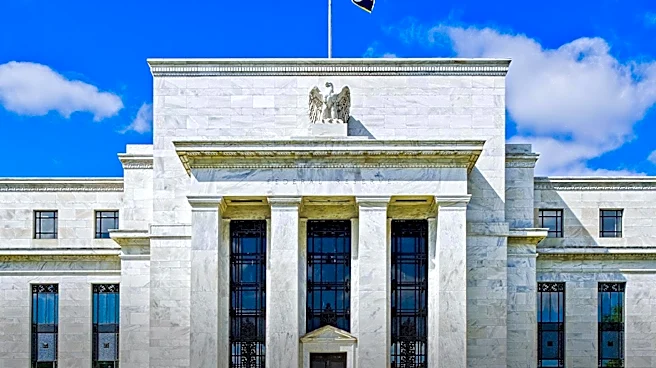
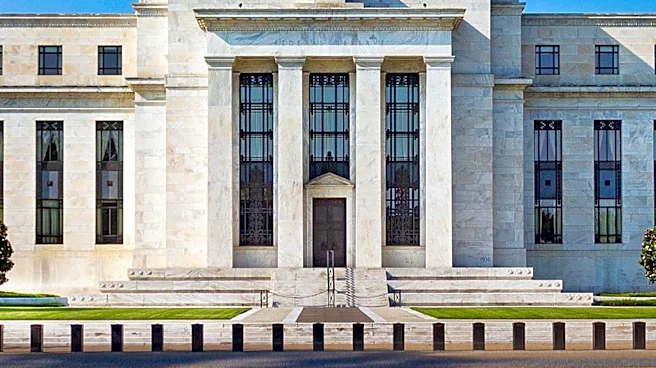
driven by factors such as supply disruptions, fiscal stimulus, tight labor markets, and elevated commodity prices, led to U.S. inflation peaking at 9.1% in June 2022. Although inflation has since moderated, it remains above the U.S. Federal Reserve's 2% target. In this environment, short duration high yield bonds are being highlighted as a strategic investment option. These bonds offer a way for investors to gain exposure to credit income and attractive returns without being overly reliant on falling interest rates or incurring significant interest-rate sensitivity. The approach emphasizes coupon income, credit spreads, and fundamental security selection, rather than duration-driven performance.
Why It's Important?
The current economic climate, marked by persistent inflation and interest-rate uncertainty, makes the strategic case for short duration high yield particularly relevant for U.S. investors. With the Federal Reserve's ongoing efforts to manage inflation, interest rates are subject to fluctuations, which can impact longer-duration bonds more significantly. Short duration high yield allows investors to mitigate this interest-rate risk while still accessing the higher income potential of the high yield market. This is crucial for diversified fixed-income portfolios seeking to generate returns in an environment where traditional fixed-income strategies might face headwinds. By focusing on shorter maturities, investors can potentially reduce volatility and rely more on the consistent income generated by these bonds, offering a more controlled approach to credit exposure. This strategy benefits those seeking to navigate an unpredictable interest rate environment without sacrificing income opportunities.
What's Next?
Given the expectation that the current environment of higher inflation and interest-rate volatility could persist, short duration high yield is likely to maintain its strategic appeal. Investors will continue to seek ways to generate attractive income and credit exposure while managing interest-rate risk. The U.S. Federal Reserve's future monetary policy decisions, particularly regarding interest rates, will be a key factor influencing the attractiveness of various fixed-income assets. Should inflation remain elevated or interest rates continue to fluctuate, the demand for investment vehicles that offer reduced interest-rate sensitivity, like short duration high yield, could increase. Financial advisors and institutional investors will likely continue to evaluate and integrate such strategies into their portfolios to enhance resilience against market uncertainties.
Beyond the Headlines
The emphasis on short duration high yield reflects a broader shift in investment philosophy, moving away from strategies heavily reliant on declining interest rates for returns. This change highlights the increasing importance of active credit selection and income generation in a world where macroeconomic factors like fiscal policy, economic growth, and geopolitical risks contribute to greater uncertainty in longer-term interest rates. The ethical dimension of this shift involves ensuring that investors are adequately informed about the risks and rewards of high yield bonds, even those with shorter durations. While offering attractive income, high yield bonds inherently carry higher credit risk. The long-term implication is a potential re-evaluation of traditional fixed-income portfolio construction, with a greater focus on resilience and income generation in a more volatile and inflationary economic landscape, moving beyond simple duration plays.