



What's Happening?
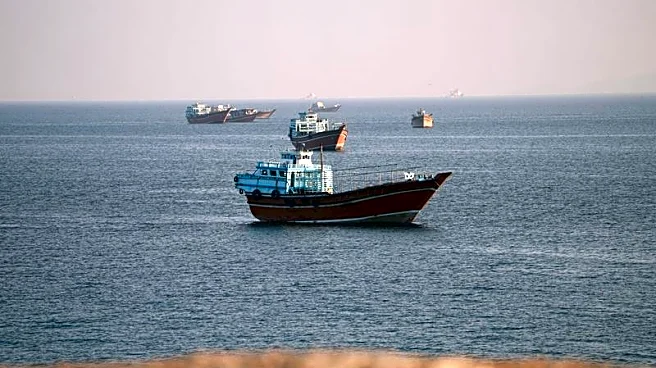
UAE stock markets experienced a significant uplift on Friday, driven by a surge in oil prices. This increase in oil prices is attributed to growing concerns over potential supply disruptions in the Gulf region, following recent attacks on tankers in the Strait
of Hormuz and Saudi energy infrastructure. Brent crude futures rose by 0.8% to $97.30 a barrel, marking its highest point since November 9 and putting it on track to end a three-week losing streak. In Dubai, the main share index advanced by 1.4%, with blue-chip developer Emaar Properties seeing a 2% rise. Dubai Islamic Bank (DIB) gained 0.4%, extending recent gains, while Emirates NBD climbed 3.3%. DIB also announced its acquisition of Emirates Islamic Bank from parent Emirates NBD in an all-share transaction, aiming to create an Islamic lender with approximately $159 billion in assets. Abu Dhabi's index added 0.5%, supported by increases in First Abu Dhabi Bank and Aldar Properties, the latter reporting over 900 million dirhams ($245.06 million) in sales from its Canopies Sanctuary project launch.
Why It's Important?
The rise in oil prices and the subsequent boost to UAE stock markets highlight the significant impact of geopolitical tensions on global energy markets and Gulf economies. The Strait of Hormuz is a critical chokepoint for global oil shipments, and any disruption there can send ripple effects through international markets, affecting energy costs and inflation worldwide. For the UAE, a major oil producer, higher oil prices directly translate to increased national revenue, which can then be reinvested into various sectors, stimulating economic growth and development. The banking sector's consolidation, exemplified by DIB's acquisition of Emirates Islamic Bank, signifies a strategic move to create larger, more resilient financial institutions capable of competing on a global scale and managing substantial asset bases. This consolidation could lead to greater financial stability and efficiency within the UAE's banking landscape, potentially attracting more foreign investment and strengthening the country's position as a regional financial hub.
What's Next?
The trajectory of oil prices will likely remain highly sensitive to ongoing geopolitical developments in the Gulf region. Any further incidents or escalations in tensions could lead to continued volatility and upward pressure on oil prices. Investors and market analysts will closely monitor the situation in the Strait of Hormuz and Saudi energy infrastructure for any signs of de-escalation or further disruption. The newly formed Islamic lender, resulting from the DIB acquisition, will likely focus on integrating operations and leveraging its expanded asset base to enhance its market position and service offerings. This could set a precedent for further consolidation within the UAE's financial sector as institutions seek to build scale and resilience. The UAE's economic performance will continue to be closely tied to global energy market dynamics, with government policies likely to adapt to ensure economic stability and diversification in response to these external factors.
Beyond the Headlines
The current situation underscores the inherent vulnerabilities of global supply chains and the interconnectedness of energy markets with geopolitical stability. Beyond the immediate economic gains for oil-producing nations, sustained high oil prices can contribute to inflationary pressures globally, impacting consumer purchasing power and potentially slowing economic growth in oil-importing countries. The strategic importance of the Strait of Hormuz as a global energy artery means that any threats to its security have far-reaching implications for international trade and diplomatic relations. The UAE's efforts to strengthen its financial sector through consolidation also reflect a broader trend among Gulf nations to diversify their economies away from sole reliance on oil, building robust financial and real estate sectors to ensure long-term economic sustainability. This strategic shift aims to create a more resilient economy less susceptible to the fluctuations of global commodity markets.