









What's Happening?
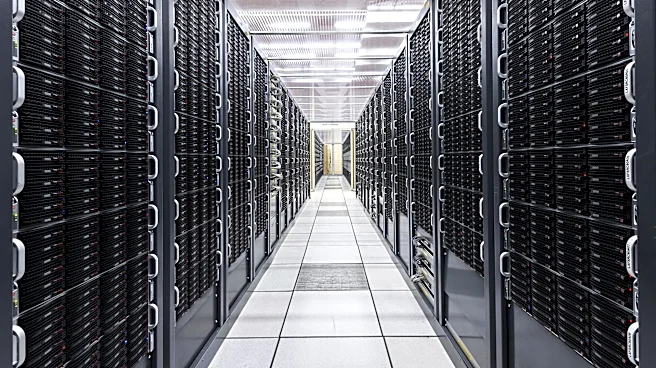
The global demand for artificial intelligence (AI) data centers is driving up the cost of memory chips, crucial components for computing devices such as phones, tablets, and laptops. This surge in demand has led to a supply shortage, causing companies
like Nvidia, Advanced Micro Devices, and Google to scramble for resources. As a result, consumer electronics prices are beginning to rise. Apple has announced price increases for its MacBooks and iPads, attributing the hikes to the rising cost of memory. Best Buy's incoming CEO, Jason Bonfig, noted that the company's computing division is expected to be most affected by these price hikes. According to Gartner, global shipments of personal computers and smartphones are projected to decrease by 10.4% and 8.4% respectively in 2026, with prices expected to rise significantly.
Why It's Important?
The increase in memory chip costs has significant implications for both consumers and retailers. As prices for consumer electronics rise, consumers may face financial strain, potentially leading to reduced spending in other areas. Retailers, particularly those with smaller market shares, may struggle to absorb these costs, potentially leading to reduced inventory or increased prices for consumers. Larger retailers like Best Buy may have more leverage to manage these changes, but the overall market dynamics could shift as consumers adjust to higher prices. The situation underscores the interconnectedness of global supply chains and the impact of technological advancements on consumer markets.
What's Next?
If the memory chip shortage continues, further price increases for consumer electronics are likely. Retailers may need to strategize on inventory management and pricing to mitigate the impact on consumers. The government and industry stakeholders may need to collaborate to address the supply chain challenges and protect consumers and businesses from prolonged disruptions. As the situation evolves, consumer behavior may shift, with potential delays in upgrading devices due to higher costs.