



What's Happening?
The U.S. digital nomad population is projected to reach 20.3 million in 2026, marking a 9.7% increase from 2025 and a 183% rise since 2019, according to MBO Partners. This demographic now represents approximately 12% of the U.S. workforce. The typical
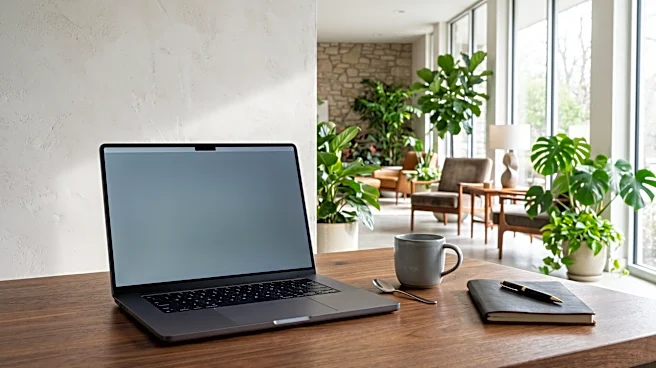
digital nomad is not the stereotypical young backpacker; the average age is 37, with 77% being Gen Z or millennials, 51% married, and 17% traveling with children. This shift indicates a need for hospitality services that cater to longer stays, often one to three months, and provide reliable workspaces, community, and a sense of belonging. Most U.S. digital nomads travel between domestic cities like Austin, Miami, and New York, with international nomads typically on shorter visits due to visa limitations. Boutique hotels are encouraged to adapt by offering live/work packages that include community programming, flexible pricing, and local partnerships, rather than just adding desks to rooms.
Why It's Important?
This significant growth in the digital nomad segment presents both opportunities and challenges for the U.S. hospitality industry. Boutique hotels, in particular, are well-positioned to capture this market due to their existing design appeal and neighborhood identity. However, they must evolve their offerings beyond traditional short-term stays to meet the specific needs of digital nomads, who prioritize productivity, community, and local access. The demand for boutique hotels rose by 3.1% in 2025, while traditional hotels saw a 0.6% decline, with boutique average daily rates (ADR) averaging $258 compared to $192. This suggests that digital nomads are willing to pay a premium for an inspiring 'base camp' that supports their work and lifestyle. Failure to adapt could lead to boutique hotels losing market share to coliving spaces and extended-stay chains that already cater to these longer-term needs.
What's Next?
Boutique hotels are advised to implement strategies such as offering weekly or monthly rates, providing ergonomic workspaces with strong Wi-Fi and meeting facilities, and organizing social programming like supper clubs or local tours. Flexibility in check-in/check-out and storage options, along with local partnerships with gyms and cafes, will also be crucial. A hybrid model, where a small portion of rooms are dedicated to 7-30 night 'live/work' packages, could allow hotels to capture longer, steadier stays without compromising their existing leisure business. Measuring the performance of these test blocks against nightly earnings will help hotels scale their offerings effectively. The industry will likely see increased competition and innovation in creating tailored experiences for this growing segment of the workforce.
Beyond the Headlines
The rise of the digital nomad lifestyle reflects broader shifts in work culture, emphasizing flexibility, remote work, and a desire for integrated living and working environments. This trend challenges traditional notions of residency and employment, potentially influencing urban planning, local economies, and community development in popular digital nomad destinations. As more individuals embrace this lifestyle, there could be increased demand for services that support transient populations, such as flexible healthcare options, co-working spaces, and community-building initiatives. The ethical implications of gentrification in popular nomad hubs and the need for inclusive community integration will also become more prominent considerations for cities and businesses catering to this demographic.