

What's Happening?
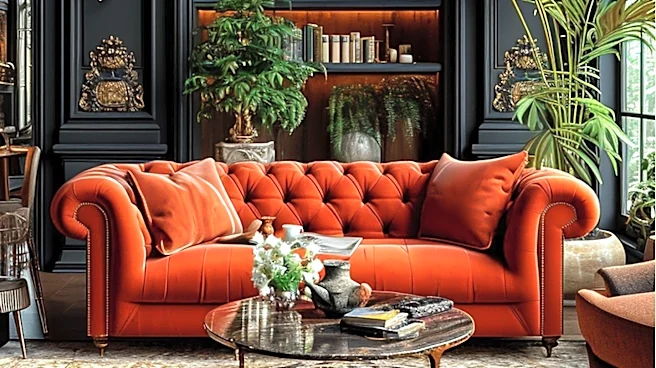
Maximalism is experiencing a resurgence in interior design, characterized by bold, eclectic, and layered decor. According to 1stDibs' annual Interior Designer Trends Survey, maximalism and eclecticism are the most in-demand styles for 2026, with 39% of
designers citing maximalism. This trend is further supported by Pinterest's 2025 Fall Trends report, which shows significant increases in searches for 'vintage maximalism' and 'eclectic apartment.' The 'eccentric aunt aesthetic' embodies this trend, focusing on authenticity and personal meaning rather than mere visual abundance. This style is defined by a mix of inherited, contemporary, and unique flea-market finds, creating a space that feels collected rather than decorated.
Why It's Important?
The rise of maximalism reflects a shift in consumer preferences towards more personalized and meaningful home environments. This trend challenges the dominance of minimalism, encouraging individuals to express their identities through their living spaces. It has implications for the home decor industry, as demand for unique, vintage, and eclectic items is likely to increase. Retailers and designers may need to adapt by offering more diverse and customizable options. Additionally, this trend highlights a broader cultural movement towards valuing individuality and personal expression in everyday life.
What's Next?
As maximalism continues to gain traction, it is expected that more designers and retailers will embrace this style, offering a wider range of products and services tailored to this aesthetic. Consumers may increasingly seek out vintage and second-hand items, driving growth in the resale market. The trend may also influence other areas of design, such as fashion and art, as the emphasis on personal expression and eclecticism becomes more mainstream.