


What's Happening?
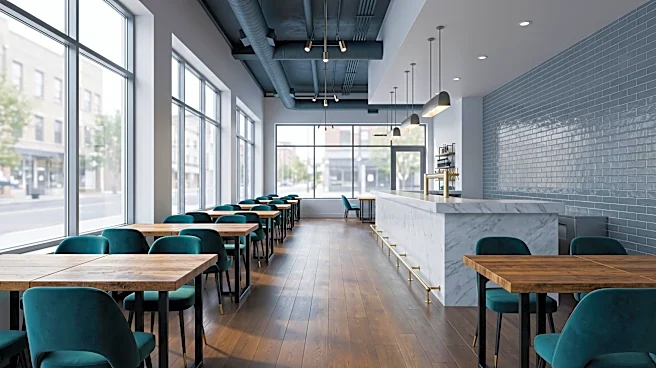
Marty O’Connor and Mary Nedbalski, a Chicago couple, are facing significant challenges in opening their new Lincoln Park bistro, Gunny’s, due to an unexpected street closure on Lincoln Avenue. The city shut down the street outside their establishment,
which was poised to open on September 16, with the closure potentially lasting until October. This setback follows an earlier issue where a sewer line replacement project, which began two months prior, was delayed by severe storms that caused a sinkhole and filled the pipes beneath Gunny’s with gravel and debris. Business owners were initially informed the work would be completed in July. The couple has taken to social media to humorously explain their predicament, hoping to encourage neighbors to visit their establishment despite the lack of vehicular access. They noted that foot traffic in the area has significantly declined, with Pacer.ai data showing a drop of over 5,000 to 6,000 visits per week.
Why It's Important?
This situation highlights the precarious nature of small business ventures, particularly in the hospitality sector, and the significant impact that unforeseen municipal projects can have on their viability. The unexpected street closure directly threatens Gunny's ability to attract customers during its crucial opening phase, potentially leading to substantial financial losses and jeopardizing its long-term success. The lack of clear communication from the city regarding the project's delays and extended timeline underscores a broader issue of municipal accountability and support for local businesses. For the Lincoln Park neighborhood, the prolonged street closure could negatively affect other businesses along Lincoln Avenue, creating a ripple effect on the local economy. This incident also brings to light the challenges faced by entrepreneurs who invest heavily in renovating properties, like the 145-year-old building Gunny's occupies, only to be met with external obstacles beyond their control. The couple's reliance on social media to mitigate the impact demonstrates the evolving strategies small businesses employ to navigate crises.
What's Next?
Marty O’Connor and Mary Nedbalski will proceed with the opening of Gunny’s on September 16, despite the ongoing street closure. Their immediate focus will be on attracting local foot and bike traffic, leveraging their social media presence to inform and engage the community. They will likely continue to advocate for better communication and support from the City of Chicago regarding the construction project and its impact on local businesses. The success of Gunny’s in its initial months will heavily depend on its ability to draw customers despite the accessibility challenges. The city, in turn, may face increased pressure from local business owners and community groups to expedite the street repairs and improve communication protocols for future projects. This situation could also prompt discussions about compensation or relief programs for businesses affected by prolonged municipal construction. The couple's experience may serve as a case study for other entrepreneurs on the importance of contingency planning and community engagement when opening a new business in an urban environment.
Beyond the Headlines
The plight of Gunny’s reflects a deeper narrative about the delicate balance between urban development and the vitality of local economies. While infrastructure improvements are essential for a city's long-term health, the execution of such projects can inadvertently stifle the very businesses that contribute to a neighborhood's character and economic dynamism. This incident raises questions about the responsibility of municipal governments to protect and support small businesses during disruptive construction periods. It also highlights the resilience and adaptability required of entrepreneurs who often operate with thin margins and face numerous external pressures. The couple's decision to proceed with the opening despite the significant hurdle speaks to their dedication and belief in their vision. This situation could spark broader conversations within Chicago about urban planning, business support initiatives, and the need for more integrated approaches that minimize negative impacts on local commerce during public works projects, ultimately shaping how cities manage growth and support their small business communities.