

What's Happening?
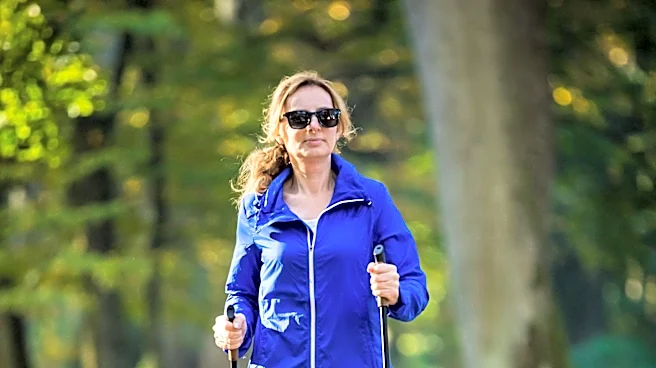
Nordic walking, a low-impact exercise that utilizes poles, is increasingly recognized for its extensive health benefits and its role in promoting inclusivity in outdoor activities. Katie Atkins, an INWA Nordic walking instructor, highlights that this
activity engages over 80% of the body's muscles, significantly more than regular walking. Research suggests it burns more calories, improves heart health, boosts fitness, and offers greater protection against chronic diseases. Unlike many sports that become difficult with age or injury, Nordic walking is adaptable for all life stages, from childhood to old age, and can even be used by Olympic athletes for training. The activity also provides mental health benefits by encouraging connection with nature and offering a 'technology detox' due to the need to hold poles in both hands. Groups like Black Girls Hike and Muslim Hikers are actively promoting diversity in outdoor spaces through walking initiatives, further emphasizing the inclusive nature of such activities.
Why It's Important?
The growing popularity of Nordic walking in the U.S. signifies a shift towards more accessible and sustainable fitness options. Its low-impact nature makes it particularly appealing to a broader demographic, including older adults, individuals recovering from injuries, and those seeking a full-body workout without high strain. This trend could lead to increased participation in outdoor activities, fostering better public health outcomes and reducing healthcare burdens associated with sedentary lifestyles. The emphasis on inclusivity, as demonstrated by groups encouraging diverse communities to engage in outdoor walking, addresses historical barriers to access in recreational spaces. This not only promotes physical well-being but also strengthens community bonds and mental health through social interaction and connection with nature. The adoption of Nordic walking could also influence the sports and fitness industry, leading to greater demand for specialized equipment and certified instructors, thereby creating new economic opportunities.
What's Next?
As awareness of Nordic walking's benefits grows, it is anticipated that more fitness centers and community organizations will offer introductory classes and guided sessions. Instructor-led sessions are crucial for teaching proper technique, which is essential for maximizing the exercise's benefits and preventing injury. The availability of certified instructors, such as those from the International Nordic Walking Federation (INWA), will be key to its widespread adoption. Consumers can expect to see an increase in the availability of specialized Nordic walking poles, with brands like Leki, Silva, Exel, and Gabel offering various options. The focus will likely be on strong, lightweight poles with high carbon content for durability and an enhanced walking experience. Furthermore, the continued efforts of inclusive walking groups are expected to expand participation, making outdoor activities more representative of the diverse U.S. population.
Beyond the Headlines
Beyond its immediate health and fitness advantages, the rise of Nordic walking reflects a broader societal interest in holistic well-being and mindful living. The activity's inherent 'technology detox' aspect addresses the pervasive issue of digital overload, encouraging individuals to disconnect from screens and engage with their physical surroundings. This can lead to improved cognitive function, as learning new skills like Nordic walking technique is known to maintain a healthy brain, according to Harvard Health. The communal aspect of group Nordic walking sessions also combats social isolation, a significant public health concern, by fostering social connections and a sense of belonging. Ethically, the movement towards inclusivity in outdoor recreation challenges traditional norms and promotes equitable access to nature's benefits, contributing to a more just and healthy society. This shift could also inspire urban planning to incorporate more accessible walking trails and green spaces.