

What's Happening?
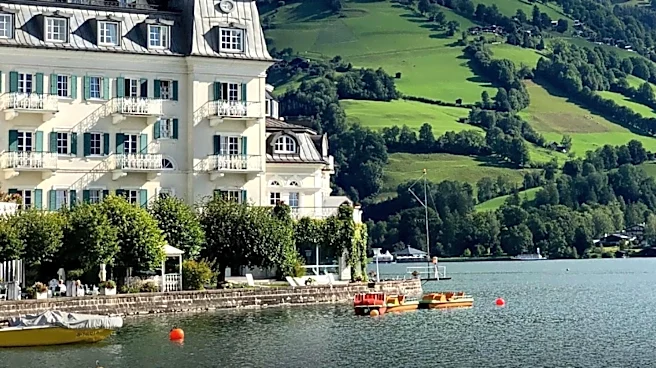
Luxury hotels in the Swiss and Austrian Alps, including Badrutt’s Palace in St. Moritz and Rote Wand Gourmet Hotel, are enhancing their summer offerings. Badrutt’s Palace, which recently achieved the highest score in La Liste’s World’s Best Hotels 2026
ranking, opened three weeks earlier this year to extend its summer season. The hotel has also introduced a new kids club overlooking the indoor pool and a palace arcade for teens. Its modern Serlas wing, designed by Antonio Citterio, features 25 new rooms and suites. The Rote Wand Gourmet Hotel in Austria, a family-owned establishment, provides an all-inclusive experience with daily breakfast, lunch, afternoon cake, and a four-course dinner, emphasizing local ingredients and culinary masterclasses. Both hotels are reinvesting profits into guest experience improvements, offering unique amenities like a T-Shape 2 body contouring treatment at Badrutt's Palace spa and an 18-course tasting menu at Rote Wand's Michelin-starred Chef's Table.
Why It's Important?
The continued investment and expansion of luxury hotel offerings in the Alps, particularly during the summer season, highlight a growing trend in high-end tourism. This shift indicates that luxury travelers are increasingly seeking diverse experiences beyond traditional winter sports, embracing summer activities like hiking, spa treatments, and gourmet dining in scenic mountain settings. For the U.S. luxury travel market, these enhanced offerings provide more sophisticated and varied options for European vacations, potentially drawing more American tourists to the region. The focus on family-friendly amenities, such as kids' clubs and teen arcades, also broadens the appeal to a wider demographic of affluent travelers. This trend supports local economies in these Alpine regions by extending the tourist season and creating demand for high-quality services and local produce.
What's Next?
These luxury Alpine hotels are likely to continue innovating their offerings to attract and retain high-net-worth clientele. Future developments could include further expansion of wellness programs, unique culinary experiences, and partnerships with local artisans or adventure providers. The emphasis on sustainability and local sourcing, as seen at the Rote Wand Gourmet Hotel, may become a more prominent feature in their marketing and operations. As climate patterns shift, the summer season in the Alps could become even more critical for these establishments, leading to further investment in summer-specific amenities and activities. Other luxury hotels in similar destinations may follow suit, adapting their strategies to cater to the evolving preferences of discerning travelers seeking year-round high-end experiences.
Beyond the Headlines
The evolution of luxury hospitality in the Alps reflects a broader cultural shift towards experiential travel, where guests prioritize unique and memorable moments over mere opulence. The integration of local culture, cuisine, and natural beauty into the guest experience, as exemplified by the Rote Wand Gourmet Hotel's focus on regional ingredients and the Badrutt's Palace's local delicacies, enriches the travel narrative. Furthermore, the commitment to continuous improvement and reinvestment of profits into guest experiences underscores a long-term vision for sustainable luxury tourism. This approach not only elevates the standard of service but also fosters a deeper connection between guests and the destination, promoting a more conscious and appreciative form of travel. The blend of traditional charm with modern amenities and innovative treatments also showcases how heritage properties can adapt to contemporary demands while preserving their unique identity.