








What's Happening?
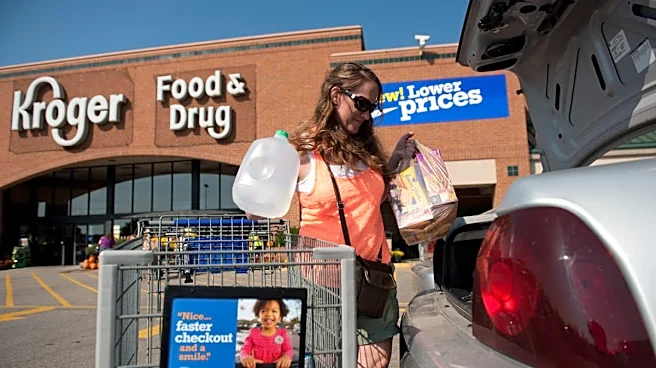
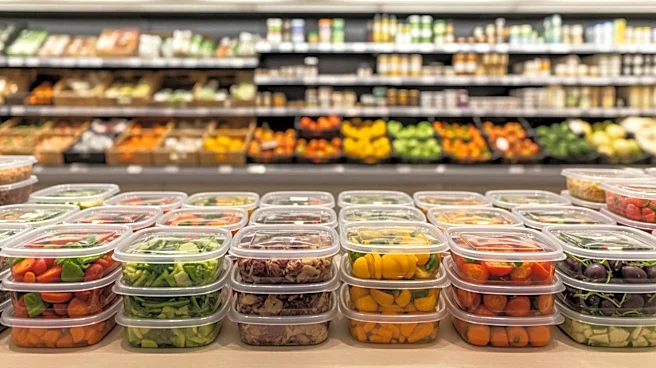
Grocery stores across the U.S. are increasingly offering ready-to-eat meals as a convenient alternative to dining out, driven by consumer demand for quick, affordable meal options. This trend is reshaping the grocery industry, with chains like Walmart
and Sam's Club expanding their prepared food offerings. Inflation has led to rising restaurant prices, prompting consumers to seek more cost-effective solutions. Grocery-prepared meals are becoming a popular substitute for restaurant dining, particularly among younger consumers aged 18 to 29. The shift is supported by grocery delivery services, which now compete with platforms like DoorDash and Uber Eats by offering fast delivery of prepared meals.
Why It's Important?
The rise of grocery-prepared meals signifies a significant shift in consumer behavior, impacting both the grocery and restaurant industries. As grocery stores enhance their ready-to-eat offerings, they are capturing a larger share of the meal market, traditionally dominated by restaurants. This trend could lead to increased competition and innovation in the food industry, as businesses strive to meet consumer expectations for quality, convenience, and value. For consumers, this shift offers more dining options and potential savings, as grocery-prepared meals are often more affordable than restaurant alternatives.
What's Next?
Grocery stores are likely to continue expanding their prepared food selections, focusing on quality and variety to attract more customers. This could lead to further innovation in meal offerings and delivery services. Restaurants may need to adapt by enhancing their own delivery options or offering unique dining experiences that grocery stores cannot replicate. The ongoing competition between grocery stores and restaurants could drive improvements in both sectors, benefiting consumers with more choices and better value.