


What's Happening?
Fast-food drive-thrus have become a ubiquitous part of American morning routines, a significant shift from their novelty status decades ago. This transformation is largely attributed to the increasing demand for convenience and an 'on-the-go' lifestyle,
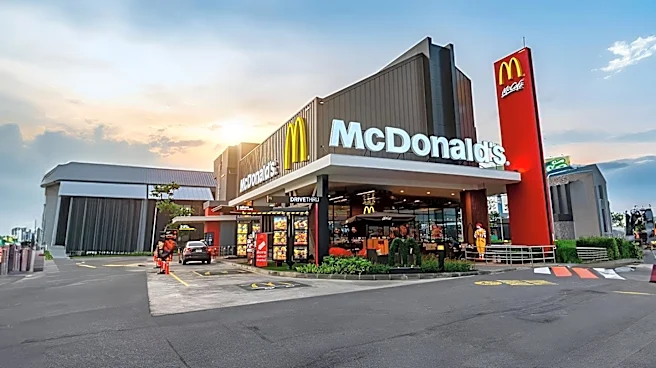
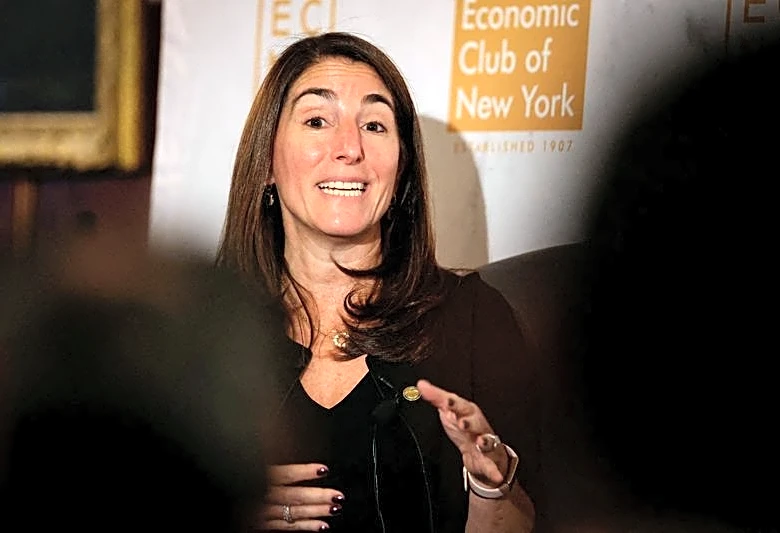
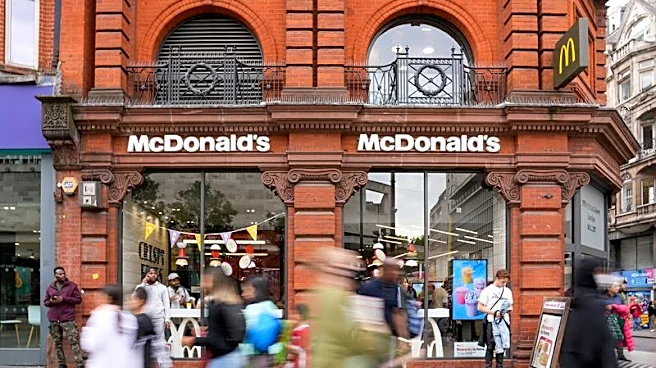
as noted by Capri Cafaro, creator, executive producer, and host of 'America the Bountiful.' While there's debate over the first drive-thru, with West Coast chain In-N-Out Burger often credited for its 1948 intercom system, some sources, including Cafaro, point to Springfield, Mo.'s Red's Giant Hamburg in 1947. The mid-20th century saw a surge in automobile usage due to suburban growth and the expansion of highway systems like the interstate and Route 66. This increased reliance on cars for daily commutes and family outings created a fertile ground for the rise of fast-food restaurants and, specifically, the drive-thru model. McDonald's, despite its current dominance, was a later adopter of both breakfast offerings and drive-thrus, with Jack in the Box introducing breakfast in 1969 and McDonald's Egg McMuffin appearing in 1971. McDonald's first drive-thru opened in 1975 to serve soldiers who couldn't exit their cars in uniform.
Why It's Important?
The pervasive presence of fast-food drive-thrus in American mornings signifies a profound societal shift towards convenience and efficiency, impacting daily routines and consumer behavior. This trend reflects the evolving demands of a fast-paced lifestyle, where time-saving solutions are highly valued. For the fast-food industry, drive-thrus represent a critical revenue stream, with McDonald's reporting that drive-thru sales account for approximately 70% of its business, and Starbucks seeing two-thirds of its sales through this channel. This reliance on drive-thrus influences operational strategies, menu development, and technological investments within the industry. The historical context highlights how infrastructure development, such as the interstate highway system, and cultural changes, like increased car ownership, have shaped the American culinary landscape. This evolution also underscores the competitive nature of the fast-food market, where early adoption of trends, or effective adaptation, can lead to significant market share and consumer loyalty. The continued growth of drive-thrus suggests a sustained demand for quick, accessible food options, which will likely continue to drive innovation and expansion in this sector.
What's Next?
The trajectory of fast-food drive-thrus indicates continued evolution, driven by consumer demand for convenience and technological advancements. The industry is likely to further invest in optimizing drive-thru experiences, potentially through enhanced digital ordering systems, artificial intelligence for order taking, and more efficient service models. We can anticipate continued competition among fast-food chains to capture the morning market, leading to new breakfast menu innovations and promotional strategies. The focus on speed and efficiency will also likely push for further automation in food preparation and delivery within the drive-thru format. As urban and suburban landscapes continue to develop, the design and placement of drive-thru facilities may also adapt to accommodate changing traffic patterns and population densities. Furthermore, the success of drive-thrus could influence other retail sectors to explore similar models for quick and convenient customer service, potentially expanding the 'grab-and-go' concept beyond food. The ongoing emphasis on convenience suggests that drive-thrus will remain a central component of American consumer culture, with continuous adaptation to meet evolving lifestyle needs.
Beyond the Headlines
The dominance of fast-food drive-thrus in American mornings extends beyond mere convenience, reflecting deeper societal implications related to time perception, work-life balance, and the erosion of traditional meal structures. The 'on-the-go' lifestyle, while offering efficiency, can also contribute to a culture of constant busyness and reduced opportunities for communal dining or mindful eating. This trend raises questions about the long-term health impacts of frequent fast-food consumption, particularly when it becomes a daily ritual. Environmentally, the proliferation of drive-thrus contributes to increased vehicle idling, emissions, and packaging waste, posing challenges for sustainability efforts. Culturally, the drive-thru has become an iconic symbol of American consumerism and car culture, shaping urban planning and the design of commercial spaces. The historical narrative of its rise, intertwined with the growth of suburbs and highways, illustrates how infrastructure and societal shifts profoundly influence daily habits. Understanding this phenomenon requires examining the interplay between individual choices, corporate strategies, and broader socio-economic forces that prioritize speed and accessibility in modern life.