
What's Happening?
As the 2026 growing season concludes, Maine gardeners are assessing their successes and disappointments while looking ahead to 2027. Many reported a poor cucumber yield in 2026, and the region continues
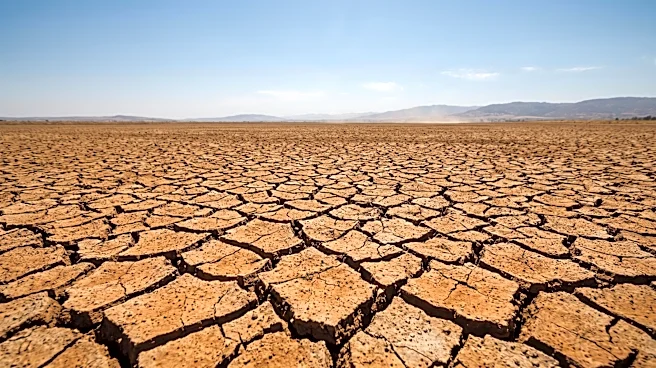
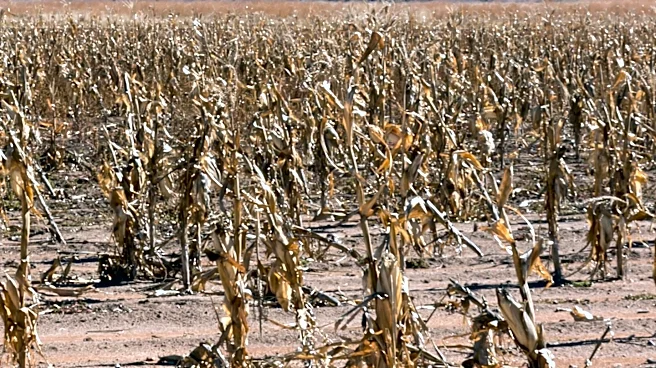
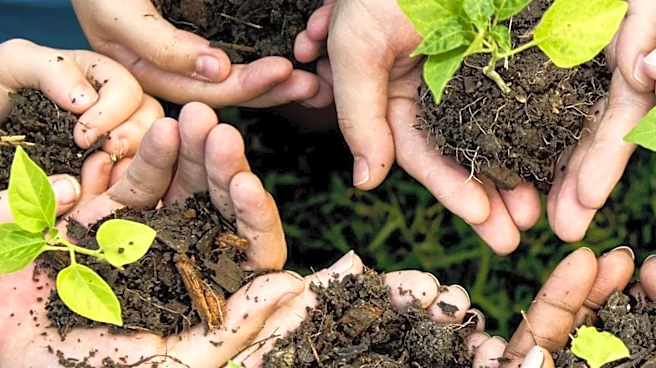
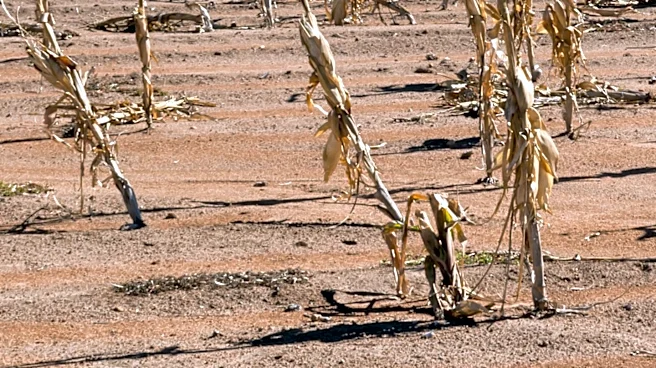
to experience drought conditions, despite recent rainfall. Gardeners are hoping for more consistent and ample rain next year, while also considering drought-resistant planting strategies. The unusually warm fall has extended the gardening season, but also raises concerns about the impact of mild winters on perennial plants that require cold dormancy. Some gardeners are embracing unexpected growth, such as volunteer squash and bean plants from compost piles, which occasionally outperform intentionally planted crops. The importance of keeping detailed gardening notes, whether through traditional journals or modern cellphone cameras, is highlighted as a valuable practice for future planning.
Why It's Important?
The experiences of Maine gardeners reflect broader agricultural and environmental challenges faced across the U.S., particularly concerning climate variability. The ongoing drought impacts local food production, potentially leading to higher prices for consumers and reduced yields for growers. The discussion about warm falls and mild winters underscores the ecological shifts affecting plant life cycles and agricultural planning. For the gardening community, sharing experiences and strategies, such as adapting to drought or documenting plant performance, becomes crucial for resilience. This local narrative also highlights the value of observational data and adaptive practices in gardening, which can inform larger-scale agricultural strategies. The emphasis on self-sufficiency and learning from nature, like allowing compost seeds to grow, points to a growing trend of sustainable and resourceful gardening practices.
What's Next?
Maine gardeners will soon be reviewing seed catalogs and planning their 2027 gardens, likely with a focus on drought-tolerant varieties and water conservation techniques. There may be increased interest in workshops and resources related to water management, soil health, and climate-resilient gardening. Local agricultural extension offices and gardening clubs could see higher demand for advice on adapting to changing weather patterns. The practice of detailed record-keeping, whether digital or traditional, is expected to gain more traction as gardeners seek to optimize their efforts based on past performance. Furthermore, discussions around the impact of climate on local ecosystems, such as the need for cold winters for certain perennial plants, will likely continue to influence planting decisions and conservation efforts in the region.
Beyond the Headlines
The narrative from Maine gardeners extends beyond immediate planting concerns, touching upon the deeper relationship between humans and the natural environment. The challenges faced, such as drought and unpredictable weather, underscore the fragility of local food systems and the increasing need for ecological awareness. The act of gardening itself becomes a form of engagement with climate change, fostering resilience and adaptation at a grassroots level. The appreciation for unexpected growth from compost piles symbolizes a broader philosophy of working with nature rather than strictly controlling it, promoting biodiversity and natural cycles. This community-level reflection on gardening practices can inspire broader conversations about sustainable living, local food security, and the importance of ecological stewardship in the face of environmental shifts.