


What's Happening?
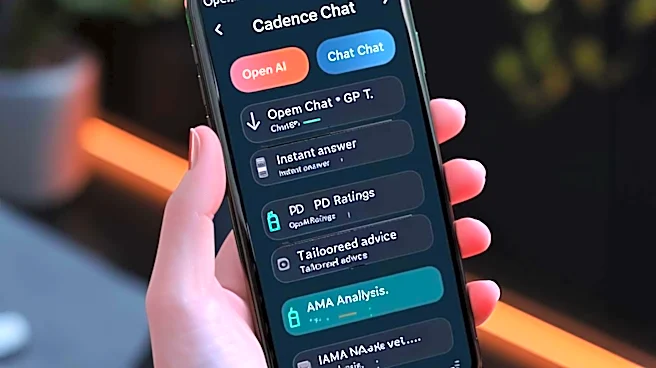
HealthMatch has launched an AI-powered application called 'HealthMatch: AI Diet Missions' designed to assist users with personalized diet and lifestyle management. The app focuses on providing structured 'mission sets' for weight loss and fitness goals,
such as the '2-Egg Challenge' which outlines specific meal plans. Users can select a mission set, and the app's AI coach will plan their daily meals. A key feature is the AI coach's ability to call users at a scheduled time to log meals, workouts, sleep, and mood, even if the app hasn't been opened. The app also simplifies meal logging by allowing users to snap a photo of their plate to instantly see calorie and macro information. Users can choose from different AI coach personalities and receive weekly progress reports on their weight, completed missions, workouts, and meals. Additionally, the app supports private group creation for friends to track progress together and syncs steps and workouts with Health Connect. While the app is free to download, features like coach calls, chat, unlimited photo meal logging, and weekly reports are part of HealthMatch Pro.
Why It's Important?
This development is significant for the U.S. lifestyle and health technology sectors, as it represents an advancement in personalized AI-driven wellness solutions. The app's approach of providing structured 'mission sets' and proactive AI coach calls could address common challenges in diet adherence, such as decision fatigue and lack of accountability. By simplifying meal logging through photo recognition and offering personalized coaching, HealthMatch aims to make healthy eating and fitness more accessible and sustainable for a broader audience. This could lead to increased engagement in wellness programs and potentially better health outcomes for individuals struggling with traditional diet plans. The integration with Health Connect also positions the app as a comprehensive tool within the existing digital health ecosystem, potentially influencing how other health and fitness apps evolve to offer more integrated and personalized experiences. The 'Pro' subscription model also highlights a growing trend in the monetization of advanced AI features in the health and wellness market.
What's Next?
HealthMatch is expected to continue refining its AI coaching capabilities and expanding its library of 'mission sets' to cater to diverse dietary needs and fitness goals. The company may also explore further integrations with other health tracking devices and platforms to enhance data synchronization and provide a more holistic view of user health. User feedback on the effectiveness of different AI coach personalities and the 'mission set' approach will likely guide future updates and feature developments. As the app gains traction, there could be increased competition in the AI health coaching market, prompting other developers to innovate with similar personalized and proactive features. The success of HealthMatch Pro will also be a key indicator of consumer willingness to pay for advanced AI-driven health and wellness services, potentially influencing pricing strategies across the industry.
Beyond the Headlines
The rise of AI health coaches like HealthMatch raises important considerations regarding the role of artificial intelligence in personal health management. While these tools offer convenience and personalization, the disclaimer that the AI coach is not a medical professional underscores the ethical boundaries and limitations of AI in healthcare. This development could spark broader discussions about the balance between AI-driven guidance and professional medical advice, particularly for individuals with pre-existing health conditions or those who are pregnant. Furthermore, the collection of extensive personal health data, including meals, workouts, sleep, and mood, highlights privacy concerns and the need for robust data security measures. The effectiveness of AI in fostering long-term behavioral change, beyond initial engagement, will also be a critical area of study as these technologies become more prevalent in daily life. The personalized nature of the AI coaches could also lead to questions about potential biases in algorithms and their impact on diverse user populations.