


What's Happening?
Fashion trends from the 1990s are experiencing a significant comeback, appearing in stores, on city streets, and on fashion runways. This resurgence is giving older millennials and Gen X a sense of nostalgia, while younger generations, particularly Gen Z,
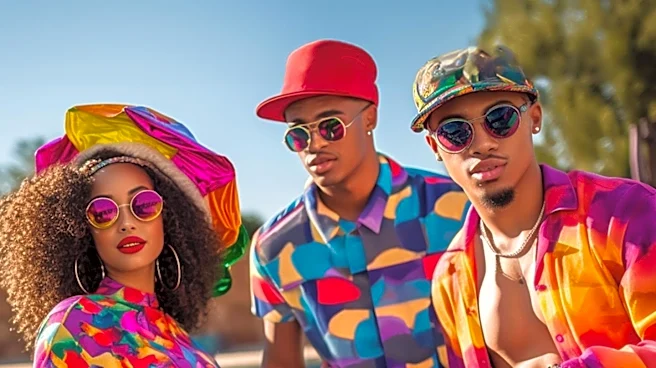
are discovering these styles for the first time. Key items making a return include rugby shirts, straight-leg jeans, chunky sneakers, and baby tees. Vogue has highlighted the renewed interest in 1990s denim, citing styles popularized by figures like Princess Diana and Julia Roberts. The influence extends to collegiate-inspired looks and sporty striped rugby shirts, identified by Vogue as notable trends for 2026. Pop culture references from the era, accessible through streaming and social media, are also contributing to the revival of interest in 1990s celebrities and their fashion choices, such as Carolyn Bessette-Kennedy's minimalist style and the looks of supermodels like Cindy Crawford and Naomi Campbell. The decade's diverse styles, from polished minimalism to grunge, are being revisited, with flannel shirts, combat boots, chokers, and darker makeup looks also making a comeback.
Why It's Important?
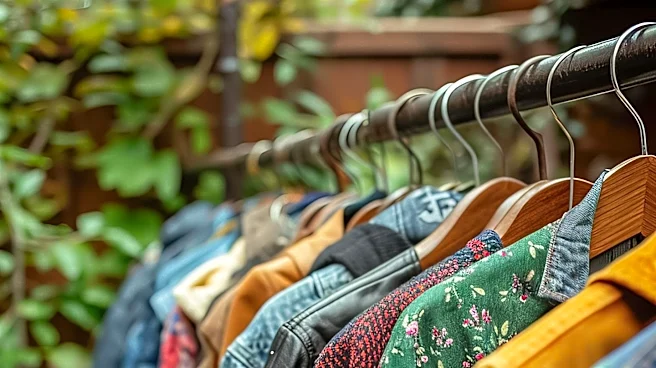
The revival of 1990s fashion trends holds significant importance for the U.S. retail and fashion industries. Brands are actively leaning into this nostalgia, with collaborations like J.Crew showcasing classic 1990s-inspired pieces, including rugby shirts, chinos, and jeans. Other retailers are also reintroducing heritage styles from the period. This trend impacts consumer spending patterns, as both older generations seeking nostalgia and younger consumers exploring retro styles are driving demand for these products. The popularity of secondhand shopping and vintage retailers is also boosted, as these platforms provide avenues for younger consumers to find authentic pieces from the decade. The blending of recognizable 1990s elements with contemporary silhouettes and styling indicates a dynamic shift in fashion design and marketing strategies. This trend also highlights the powerful influence of pop culture and social media in shaping current fashion landscapes, demonstrating how past trends can be reinterpreted and popularized for new audiences, thereby affecting production, inventory, and marketing decisions across the industry.
What's Next?
The continued integration of 1990s fashion into contemporary styles is expected, with designers and consumers likely to further experiment with mixing retro pieces with modern aesthetics. Fashion brands will probably continue to release collections that draw inspiration from the 1990s, potentially leading to more collaborations and reissues of classic items. The influence of social media and streaming platforms in popularizing past trends is likely to grow, suggesting that other historical fashion eras could also see similar revivals in the future. Retailers will need to adapt their inventory and marketing strategies to cater to this demand for nostalgic fashion, balancing authentic retro looks with updated interpretations. The secondhand market is also poised for continued growth as it serves as a key channel for consumers seeking original 1990s garments. This trend could also lead to a broader re-evaluation of fashion cycles and the longevity of certain styles, influencing how designers approach future collections and how consumers perceive fashion trends.
Beyond the Headlines
The resurgence of 1990s fashion extends beyond mere clothing choices, reflecting deeper cultural and societal shifts. For older millennials and Gen X, it represents a connection to their youth and a period of perceived simplicity or cultural significance. For Gen Z, it offers a fresh aesthetic that stands in contrast to more recent trends, allowing for self-expression and individuality. This trend also underscores the cyclical nature of fashion and the powerful role of nostalgia in consumer behavior. The emphasis on secondhand shopping for authentic pieces from the 1990s highlights a growing consumer preference for sustainability and unique items, moving away from fast fashion. Furthermore, the re-popularization of diverse 1990s styles, from minimalism to grunge, suggests a broader acceptance of varied aesthetics and a rejection of a singular dominant fashion narrative. This cultural phenomenon illustrates how fashion acts as a mirror to societal values, reflecting desires for comfort, authenticity, and a connection to past eras in an increasingly complex world.