






What's Happening?
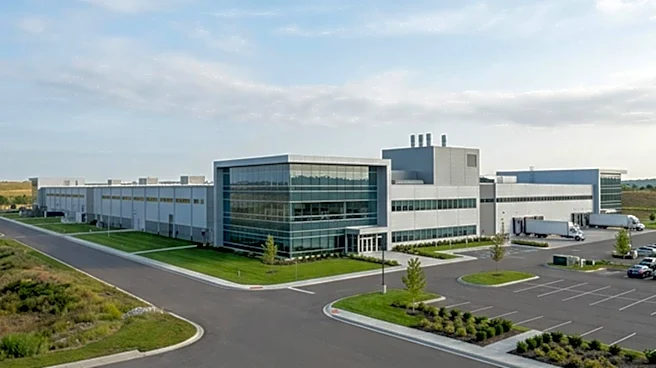
Cambium has officially opened Cambium East, its new flagship East Coast manufacturing and research and development facility in Columbia, Maryland. This 118,500-square-foot facility integrates full-scale production with product innovation, significantly
expanding the company's capacity to transform domestic wood into materials for construction, furniture, and infrastructure. U.S. Senator Chris Van Hollen highlighted the importance of this expansion, noting that it is supported by $300,000 in federal funding and will create new jobs while positioning Maryland as a leader in efficient wood manufacturing. Cambium East is projected to process up to 5 million board feet of sustainably sourced domestic lumber annually across its millwork, finished goods, and mass timber divisions. The company's proprietary digital platform aims to modernize the wood industry by connecting businesses across the supply chain, enhancing market access for local operators, and improving transparency. Cambium's flagship product, Carbon Smart Wood, utilizes salvaged and underutilized trees, ensuring that materials are sourced and manufactured within the U.S.
Why It's Important?
The opening of Cambium East is a significant development for the U.S. wood industry and local economies. By expanding domestic manufacturing capabilities, Cambium is contributing to job creation and economic growth in Maryland, as emphasized by Senator Van Hollen. The facility's focus on sustainably sourced domestic lumber supports environmental goals by utilizing wood that would otherwise go to waste, aligning with broader efforts to promote sustainable practices in construction and manufacturing. This initiative also strengthens the domestic supply chain for wood products, reducing reliance on foreign imports and fostering a more resilient national industry. Furthermore, Cambium's digital platform introduces greater transparency and efficiency to a traditionally fragmented sector, which can benefit small and medium-sized businesses by connecting them to larger markets. The investment in next-generation manufacturing technology positions Maryland as a hub for advanced wood processing, potentially attracting further innovation and investment in the region.
What's Next?
With the new facility operational, Cambium is expected to increase its production of Carbon Smart Wood and other domestically sourced wood products, potentially expanding its market reach and partnerships. The company's growth, which includes an increase to over 100 employees and six offices in the last 18 months, suggests continued expansion and influence in the wood industry. Future developments may include further technological advancements in wood processing and supply chain management, as Cambium continues to leverage its proprietary platform. The success of Cambium East could also serve as a model for other regions looking to revitalize local manufacturing and promote sustainable resource utilization. Continued collaboration with partners like Lowe's and involvement in significant projects such as the Theodore Roosevelt Presidential Library boardwalk and Google's Hangar 3 indicate a trajectory of sustained engagement in large-scale construction and infrastructure initiatives.
Beyond the Headlines
The establishment of Cambium East reflects a broader trend towards reshoring manufacturing and investing in sustainable domestic industries. This move has implications beyond economic growth, touching upon environmental stewardship and technological innovation within traditional sectors. By focusing on salvaged and underutilized trees, Cambium addresses the issue of waste in forestry and promotes a circular economy model. The integration of a digital platform into the wood supply chain highlights the increasing role of technology in modernizing industries that have historically been slow to adopt digital solutions. This approach not only enhances efficiency but also provides greater traceability and accountability for wood products, which can be crucial for consumers and businesses prioritizing sustainability. The project also underscores the importance of federal and state funding in catalyzing such initiatives, demonstrating how public-private partnerships can drive significant industrial and environmental advancements.