





What's Happening?
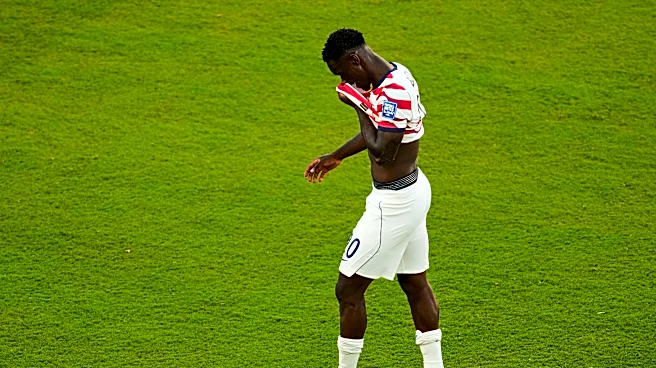
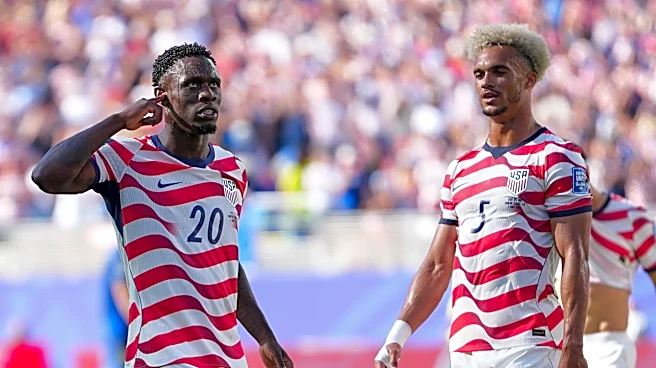
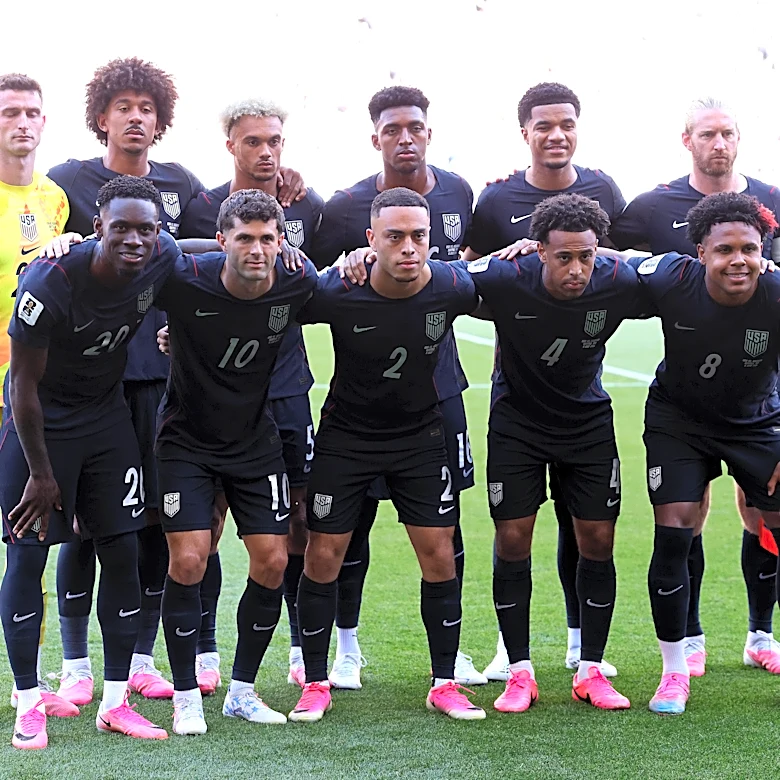
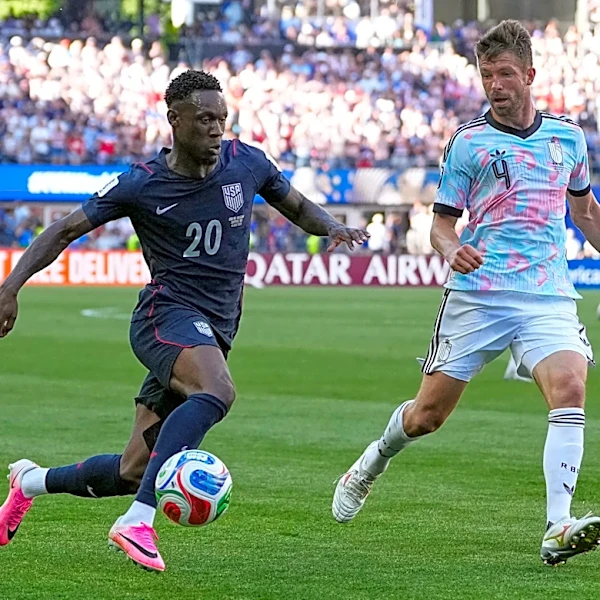
United States striker Folarin 'Flo' Balogun has become a focal point of interest during the World Cup, particularly following a suspended red card incident. Balogun's family background is diverse, with roots in England, Nigeria, and the United States.
Born in New York due to travel restrictions on his pregnant mother, Balogun was raised in London. His unique heritage allowed him the choice to represent England, Nigeria, or the United States in international soccer. Ultimately, he chose to play for the U.S. national team, a decision influenced by his birth circumstances and family discussions. Balogun's rise in the soccer world has been marked by his performances and the narrative of his international eligibility, which was notably influenced by a flight attendant's decision that led to his birth in the U.S.
Why It's Important?
Balogun's story highlights the complexities and personal dimensions of international sports representation. His decision to play for the United States underscores the strategic importance of recruiting talented players with dual or multiple nationalities. This can significantly impact a country's performance in international competitions like the World Cup. For the U.S., having a player of Balogun's caliber enhances the team's competitive edge and broadens its appeal to diverse audiences. Additionally, Balogun's case illustrates the broader implications of global mobility and citizenship, as personal and family histories increasingly influence national team compositions. His presence in the U.S. team also reflects the country's growing influence in the global soccer landscape.
What's Next?
Balogun's continued participation in the World Cup will be closely watched, especially following the suspension of his red card, which allowed him to play in a crucial match against Belgium. His performance could further solidify his status as a key player for the U.S. team. Looking ahead, Balogun's career trajectory may inspire other players with similar backgrounds to consider representing the U.S. in international sports. The U.S. Soccer Federation may also intensify efforts to identify and recruit players with diverse heritages, leveraging the country's multicultural identity to strengthen its national teams.