


What's Happening?
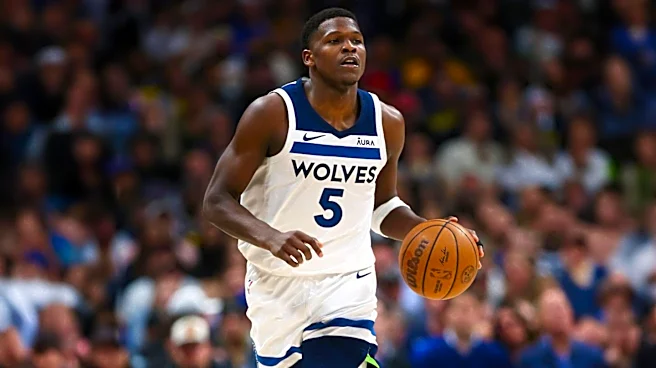
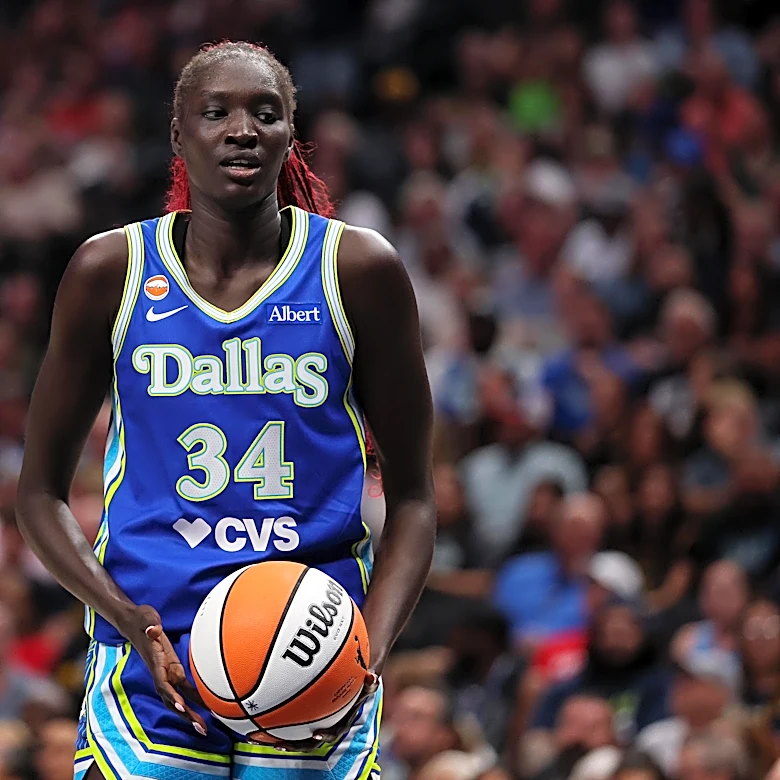
Marc Stad has acquired the majority stake in the Minnesota Timberwolves and the WNBA's Minnesota Lynx, making him the controlling owner of both franchises. This transaction, valued at $4.5 billion, marks the fourth-largest franchise sale in NBA history.
Stad, who was previously a minority investor, purchased the stake from Marc Lore, who will now retain a minority share. Alex Rodriguez, who initially bought the teams with Lore, will also increase his minority shares and become co-chairman alongside Stad. The deal comes just 14 months after Lore and Rodriguez acquired the teams for $1.5 billion, resulting in a significant return on investment for Lore. The agreement is pending league approval, which may be voted on during the NBA's annual fall board of governors meeting in September.
Why It's Important?
This ownership change signifies a substantial shift in the leadership and financial structure of two prominent U.S. professional basketball franchises. The $4.5 billion valuation highlights the escalating financial worth of NBA and WNBA teams, reflecting a broader trend of increasing investment in professional sports. For the Timberwolves, a consistent Western Conference playoff team, and the Lynx, a highly successful WNBA franchise with four championships, the new ownership could bring fresh strategic direction and resources. The rapid appreciation in value, with Lore achieving a 200% return in just 14 months, underscores the lucrative nature of sports team ownership as an investment. This trend of quick turnovers and high profits could attract more wealthy investors to the sports market, further driving up franchise valuations across various leagues.
What's Next?
The transaction is awaiting league approval, which is expected to be a key agenda item at the NBA's annual fall board of governors meeting in September. Following approval, Marc Stad will officially assume his role as controlling owner, with Alex Rodriguez increasing his investment and becoming co-chairman. Marc Lore will reduce his involvement to focus on his company, the Wonder Group, which is planning an initial public offering, though he will remain a minority investor. The new ownership group has stated their shared goal is to build the Timberwolves and Lynx into the best organizations in basketball, both on and off the court, with a priority on winning championships. This could lead to strategic changes in team management, player acquisitions, and community engagement for both franchises.
Beyond the Headlines
The rapid and highly profitable sale of the Timberwolves and Lynx reflects a growing phenomenon in professional sports ownership, where franchises are increasingly viewed as high-yield investment assets rather than solely passion projects. This trend raises questions about the long-term implications for team stability, fan engagement, and the potential for ownership groups to prioritize financial returns over traditional sporting objectives. The influx of new, ultra-wealthy investors, often with backgrounds in finance and technology, could reshape the operational philosophies of sports organizations. Furthermore, the significant increase in valuation in such a short period could set new benchmarks for future franchise sales, potentially making team ownership even more exclusive and further detaching the financial realities of sports from the average fan's experience.