






What's Happening?
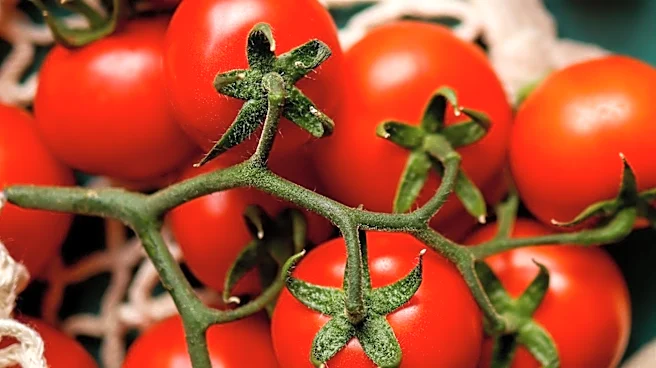
Tomatoes are recognized as a beneficial food for older adults, providing a range of essential nutrients with low caloric content. They are primarily composed of water, making them hydrating, and are rich in vitamin C, potassium, vitamin K, folate, and the antioxidant
lycopene. Lycopene, which gives tomatoes their red color, has been specifically linked to heart health. Potassium in tomatoes helps maintain healthy blood pressure, while vitamin C supports immune function and skin health. Additionally, the fiber content aids in digestion and promotes a feeling of fullness. Both raw and cooked tomatoes offer health advantages, with cooking potentially increasing the body's absorption of lycopene, especially when prepared with a small amount of healthy oil.
Why It's Important?
The nutritional profile of tomatoes makes them a valuable addition to the diet of older adults, addressing several common health concerns. Their contribution to heart health through lycopene and potassium is particularly significant, as cardiovascular diseases are prevalent among seniors. The support for healthy blood pressure can help manage hypertension, a major risk factor for strokes and heart attacks. Furthermore, enhanced immune function from vitamin C is crucial for older individuals who may have weakened immune systems. The fiber content assists in maintaining digestive regularity, which can be a challenge for some seniors. Incorporating tomatoes into a balanced diet can therefore play a role in promoting overall well-being and potentially reducing the risk of age-related health issues.
What's Next?
Healthcare providers and nutritionists may continue to recommend tomatoes as part of a heart-healthy and balanced diet for seniors. Public health campaigns could emphasize the benefits of incorporating nutrient-rich foods like tomatoes into daily meals. For individuals sensitive to acidity, exploring different preparation methods, such as consuming smaller portions, cooking tomatoes, or pairing them with other foods, could be advised to mitigate potential heartburn or reflux. Ongoing research may further explore the specific mechanisms through which tomato nutrients impact age-related health conditions, potentially leading to more tailored dietary recommendations in the future.
Beyond the Headlines
The emphasis on tomatoes for senior health highlights a broader trend in nutritional science focusing on specific foods and their targeted benefits for different demographic groups. This approach moves beyond general dietary guidelines to more precise recommendations based on age, physiological needs, and common health challenges. The discussion also subtly touches upon the importance of food preparation methods, noting that cooking can alter nutrient bioavailability, as seen with lycopene. This underscores the complexity of nutrition and how simple culinary choices can impact the health benefits derived from food. The accessibility and versatility of tomatoes also make them a practical and sustainable option for improving dietary quality across various socioeconomic backgrounds.