

What's Happening?
Interior designers are forecasting that vintage curations and multifunctional seating will be prominent furniture trends in 2027. The appeal of vintage, thrifted, and antique pieces continues to grow as individuals seek to create personalized spaces with
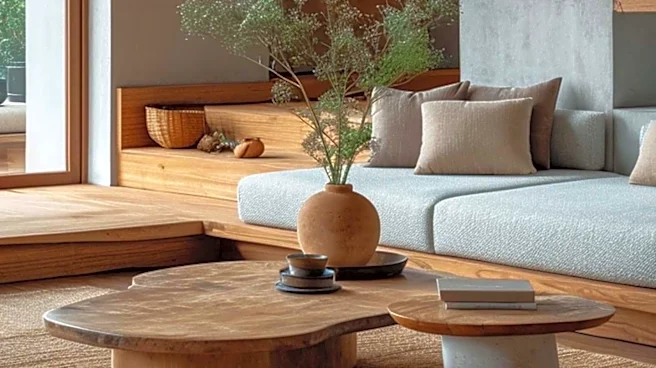
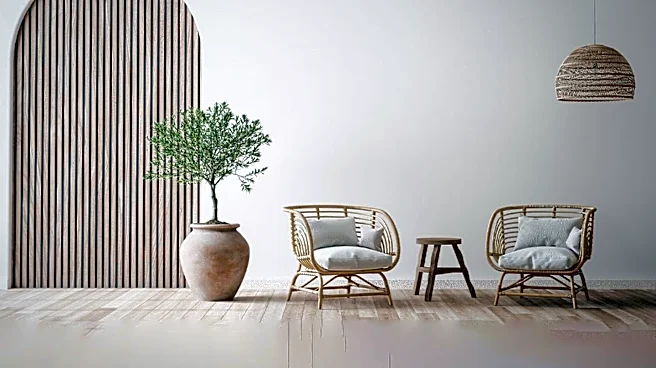
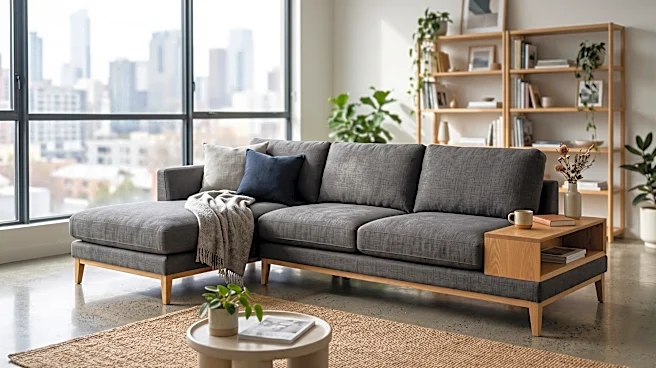
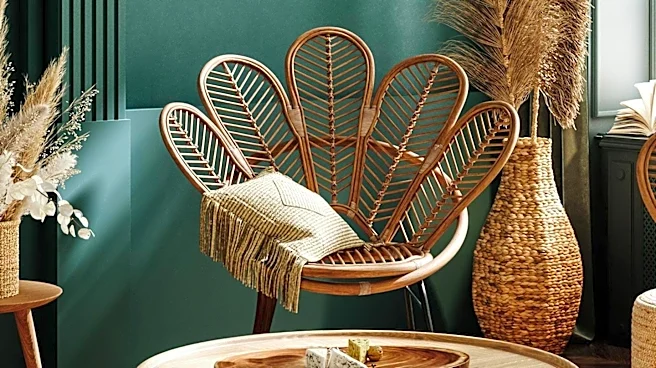
depth and character. Hannah Oravec, an interior designer and founder of Lawless Design, emphasizes the value of designing around furniture that tells a story, such as heirlooms, which enrich a room with history and personal narrative. Concurrently, multifunctional seating is gaining popularity due to the increasing trend of at-home entertaining. This includes modular sofas, poufs, and benches that can be easily rearranged to accommodate various group sizes and encourage conversation, maximizing available space. Travis Nagle, design expert and co-founder of Medley, notes that consumers are prioritizing durable pieces that offer longevity and adaptability for unforeseen uses. This shift also indicates a move away from the minimalist aesthetic, with a preference for more traditional styles incorporating modern twists and organic shapes.
Why It's Important?
These emerging furniture trends reflect broader societal shifts towards sustainability, personalization, and practical living. The emphasis on vintage curations underscores a growing consumer desire for unique, character-filled items that reduce waste and offer a sense of history, moving away from disposable consumption. This trend can benefit local antique dealers, consignment shops, and artisans specializing in furniture restoration. The rise of multifunctional seating addresses the evolving needs of modern households, particularly those with smaller living spaces or a focus on home entertaining. This trend impacts furniture manufacturers and retailers, encouraging them to innovate with modular designs and adaptable pieces. It also suggests a market for furniture that combines aesthetic appeal with practical utility, catering to consumers who value both style and versatility in their living environments. The move away from minimalism indicates a potential resurgence in more ornate or eclectic design elements, influencing interior design and home decor industries.
Beyond the Headlines
The predicted dominance of vintage curations and multifunctional seating in 2027 points to a deeper cultural appreciation for authenticity and adaptability in home environments. Vintage pieces, often imbued with a sense of nostalgia and unique craftsmanship, offer an antidote to the uniformity of mass-produced furniture, allowing individuals to express their identity through their living spaces. This trend also aligns with a growing consciousness about the environmental impact of consumption, as repurposing and reusing furniture reduces demand for new resources. Multifunctional seating, on the other hand, speaks to the dynamic nature of modern life, where homes often serve multiple purposes, from work to entertainment. The ability to easily reconfigure furniture reflects a desire for flexibility and efficiency, enabling spaces to adapt to various social and practical needs. This evolution in furniture preferences suggests a future where design prioritizes both personal expression and practical utility, fostering homes that are both aesthetically rich and highly adaptable.