







What's Happening?
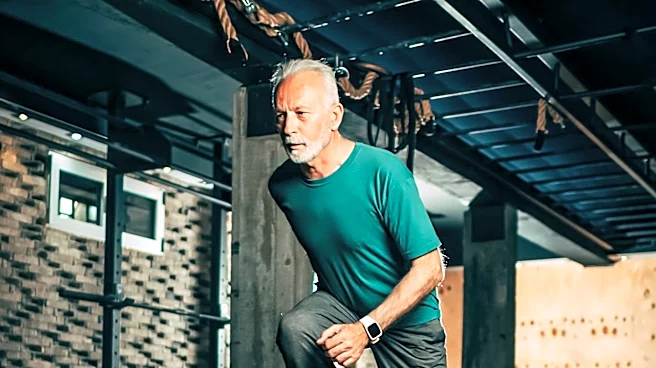
A review of 32 studies indicates that functional training, which involves exercises mimicking everyday movements, is highly effective in improving older adults' ability to perform daily activities. This approach is presented as an alternative or complement
to traditional heavy weightlifting for maintaining strength and independence as people age. The research emphasizes that while muscle building is important, practicing movements essential for daily life, such as standing from a chair, climbing stairs, and carrying groceries, can significantly preserve functional ability. The Centers for Disease Control and Prevention (CDC) recommends that adults aged 65 and older engage in a mix of aerobic, muscle-strengthening, and balance activities weekly, including strengthening major muscle groups at least twice a week. Functional training exercises highlighted include chair stands, step-ups, loaded carries, and supported balance drills, which do not require complex equipment and directly translate to real-world strength.
Why It's Important?
This shift in focus from purely building muscle mass to functional strength has significant implications for public health and the quality of life for older adults in the U.S. By promoting exercises that directly enhance daily living capabilities, the findings can help reduce dependency among the elderly, thereby lowering healthcare burdens and improving overall well-being. For individuals, maintaining functional independence means a higher quality of life, reduced risk of falls, and the ability to continue engaging in personal and social activities. For the healthcare system, a more functionally capable older population could lead to decreased demand for assisted living facilities and in-home care services. The emphasis on accessible exercises also means that more people can participate in beneficial physical activity without needing specialized gym equipment, making it a more inclusive approach to healthy aging.
What's Next?
The findings suggest a potential shift in recommendations for exercise programs targeting older adults, moving towards a greater emphasis on functional movements. Healthcare providers and fitness professionals may increasingly incorporate these types of exercises into their guidance for seniors. Public health campaigns could also promote functional training as a practical and effective way to maintain independence. Further research may explore the long-term benefits of functional training compared to other exercise modalities, as well as optimal program designs for various levels of mobility and health conditions among older adults. Educational initiatives could be developed to teach older adults and their caregivers how to safely and effectively perform these exercises at home or in community settings, potentially leading to broader adoption and improved health outcomes across the aging population.
Beyond the Headlines
The study subtly challenges the prevailing fitness culture that often prioritizes aesthetic or performance-based goals over practical, everyday functionality, especially for older demographics. It underscores a more holistic view of 'strength' that is less about lifting maximal weight and more about sustaining an active, independent lifestyle. This perspective could influence how fitness is marketed and perceived, encouraging a focus on 'healthspan'—the period of life spent in good health—rather than just lifespan. Ethically, it highlights the importance of empowering older individuals to maintain autonomy and dignity through physical capability. Culturally, it could foster a greater appreciation for the subtle yet profound impact of everyday movements on overall well-being, potentially leading to a re-evaluation of what constitutes successful aging in society.