
What's Happening?
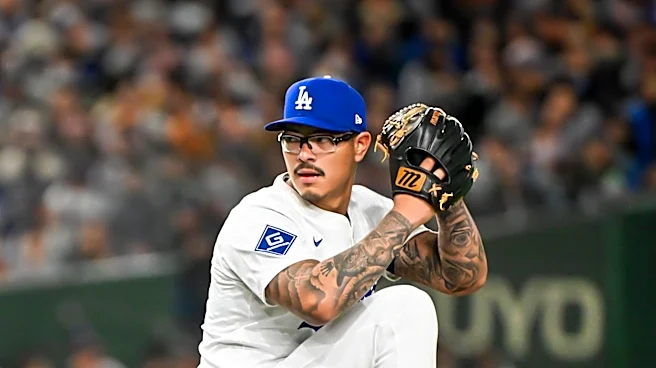
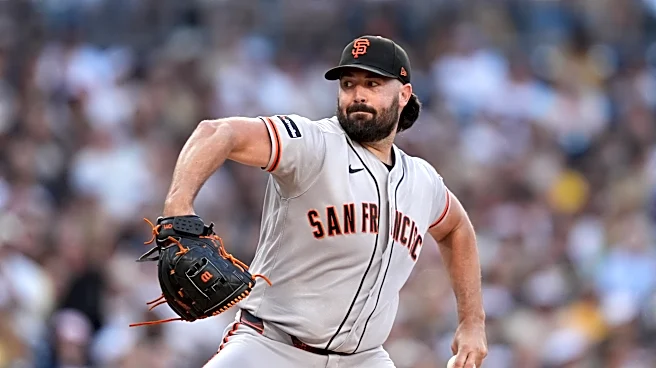
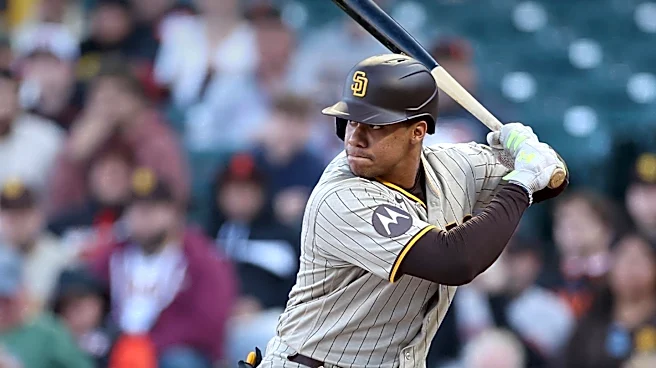
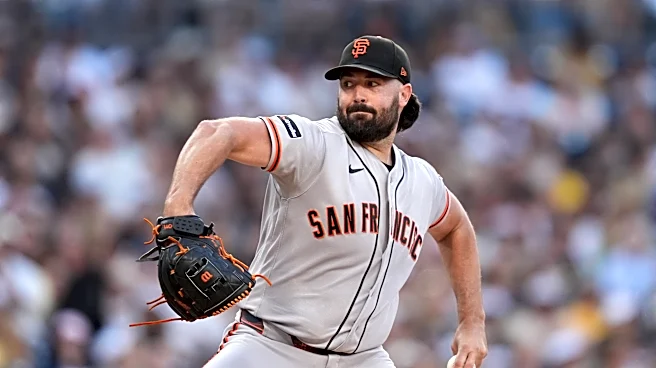
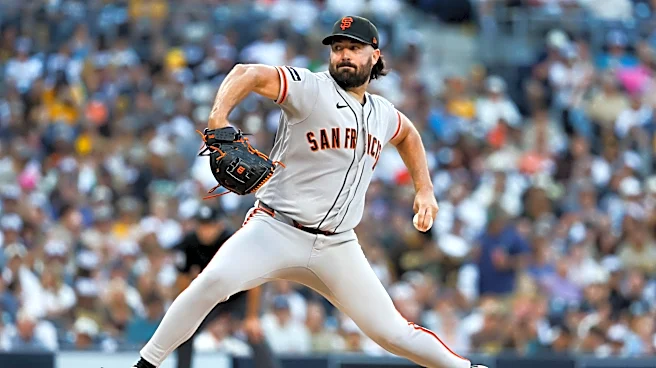
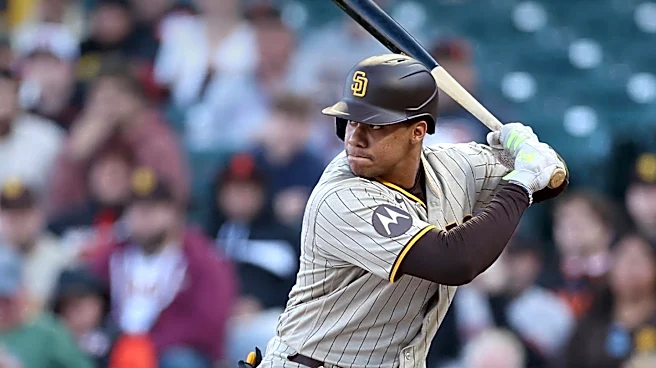
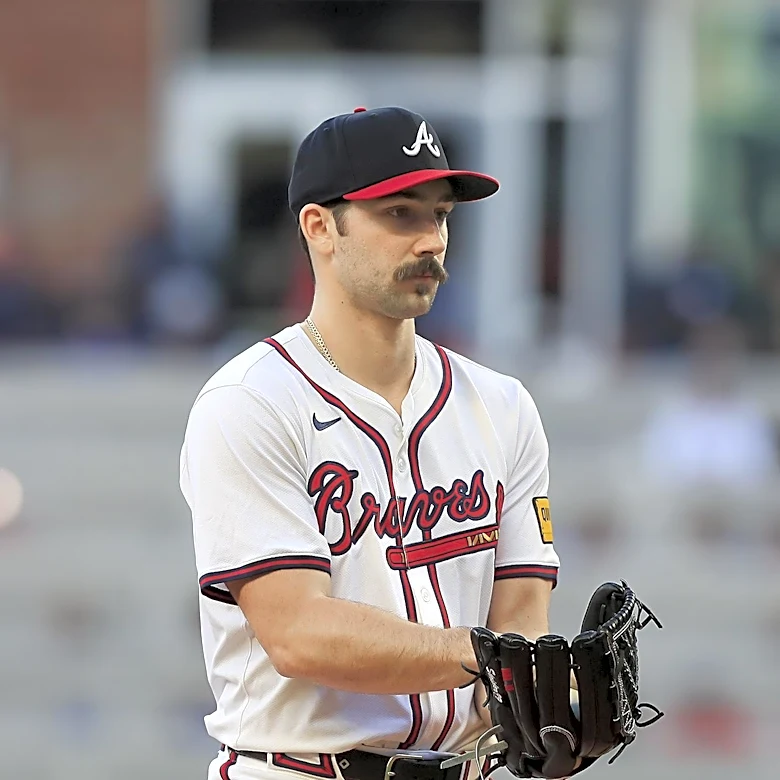
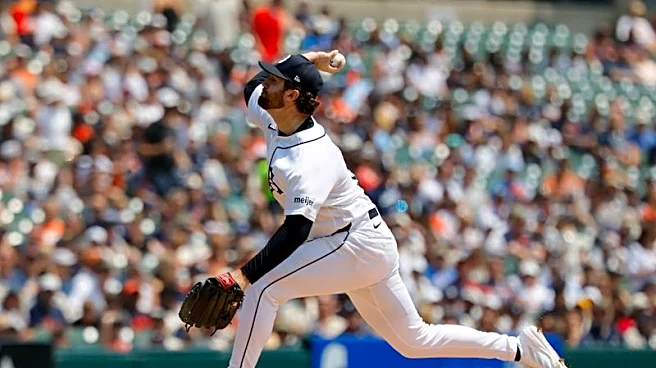
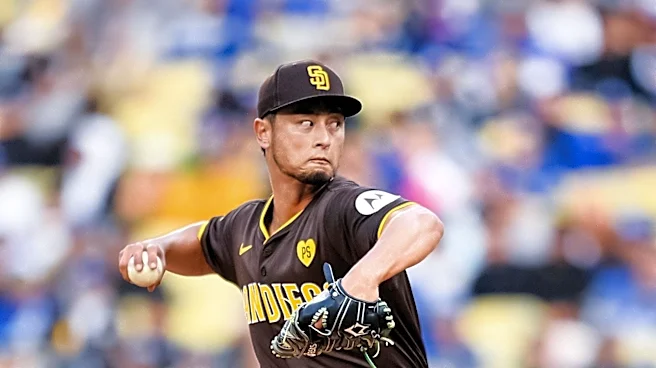
San Diego Padres' president of baseball operations, A.J. Preller, has defended his strategy of trading away top prospects to strengthen the team's roster. In recent moves, Preller traded three of the organization's top 10 prospects to acquire pitchers
Robbie Ray and Casey Mize, aiming to bolster an injury-hit rotation. This approach is consistent with Preller's history since 2014 of making significant trades that have depleted the Padres' farm system. Notable players like Max Fried, Trea Turner, and CJ Abrams were traded away as budding stars. Despite these aggressive moves, the Padres have yet to secure a World Series title, and their farm system is no longer among the best in baseball. Preller remains unapologetic, emphasizing the team's focus on winning championships and consistently reaching the postseason.
Why It's Important?
The strategy employed by Preller highlights a broader trend in Major League Baseball where teams prioritize immediate success over long-term development. This approach can lead to short-term gains but risks depleting future talent pools, potentially impacting the team's competitiveness in the long run. For the Padres, the lack of a World Series title despite these trades raises questions about the effectiveness of this strategy. The decision to trade top prospects could influence other teams' strategies, especially those balancing between building a strong farm system and achieving immediate success. Stakeholders such as fans, players, and management are directly affected, with fans desiring championship wins and players facing increased pressure to perform.
What's Next?
The Padres will need to assess the impact of these trades on their performance in the upcoming season. Success in reaching the postseason could validate Preller's strategy, while failure might prompt a reevaluation of their approach to team building. Other MLB teams will likely monitor the Padres' performance closely, potentially influencing their own strategies regarding prospect development and trades. The team's management will also need to address fan expectations and maintain support, especially if the desired championship success remains elusive.