




What's Happening?
Ford Motor Co. reported a nearly 10% decline in U.S. sales for the first half of the year, attributed to the discontinuation of models like the Escape and production issues with its F-Series trucks. The automaker's total domestic sales fell by over 100,000
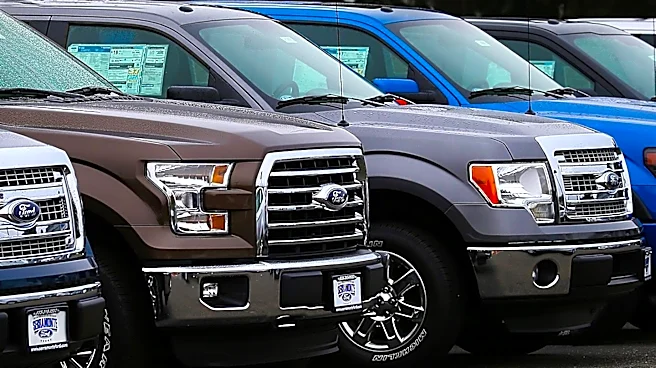
units compared to the previous year. The phase-out of the Escape and Corsair, along with a significant drop in rental car sales, contributed to the decline. Ford's F-Series truck sales were down over 13%, impacted by aluminum supply shortages following a supplier plant fire. Despite these challenges, Ford's hybrid Maverick pickup set a new second-quarter sales record.
Why It's Important?
Ford's sales decline highlights the challenges faced by traditional automakers in adapting to changing market dynamics and supply chain disruptions. The phase-out of popular models and production issues underscore the need for strategic adjustments to maintain competitiveness. The decline in electric vehicle sales, due to the loss of federal tax credits, further emphasizes the impact of policy changes on consumer behavior. Ford's performance is a key indicator of the broader automotive industry's health and its ability to navigate economic and environmental shifts.
What's Next?
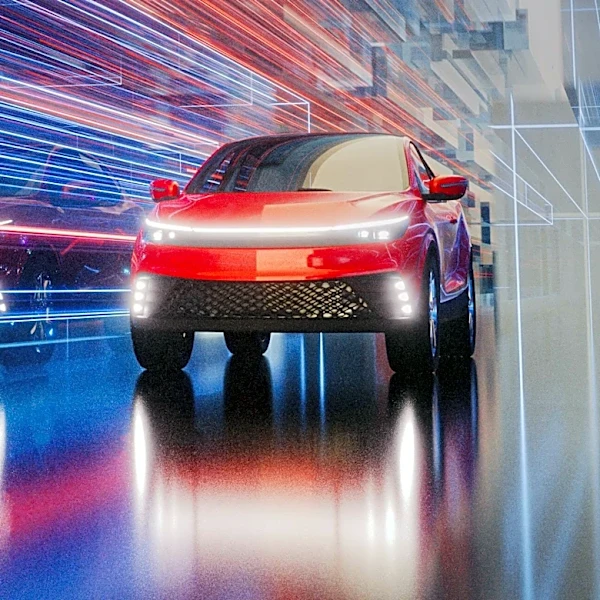
Ford is retooling its Louisville Assembly Plant for a next-generation small electric pickup, signaling a strategic shift towards electrification. The company's focus on hybrid models, like the Maverick, suggests a continued emphasis on fuel-efficient vehicles. Ford's ability to address supply chain challenges and adapt to market demands will be crucial for its future success. The automaker's performance will be closely watched by investors and industry analysts as it seeks to regain market share and improve profitability.