






What's Happening?
Nicole Svenson, a TikTok creator, has shared her strategies for maintaining a monthly grocery budget of $300 for her family through frugal and sustainable home swaps. Her approach emphasizes replacing disposable items with reusable alternatives to reduce
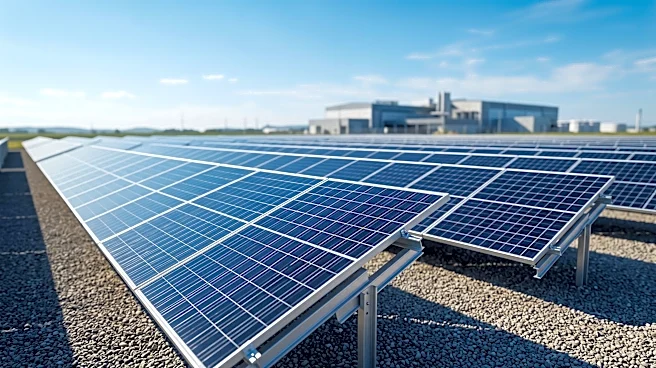
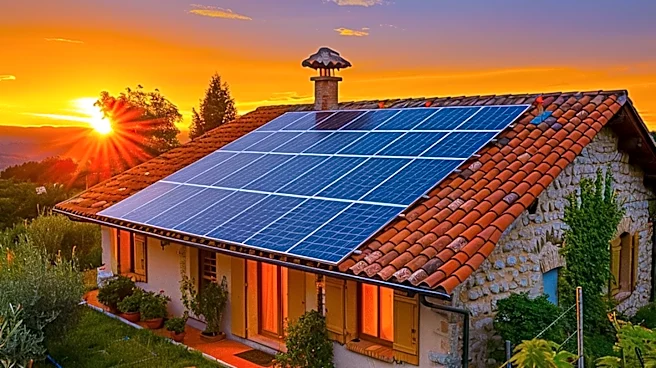
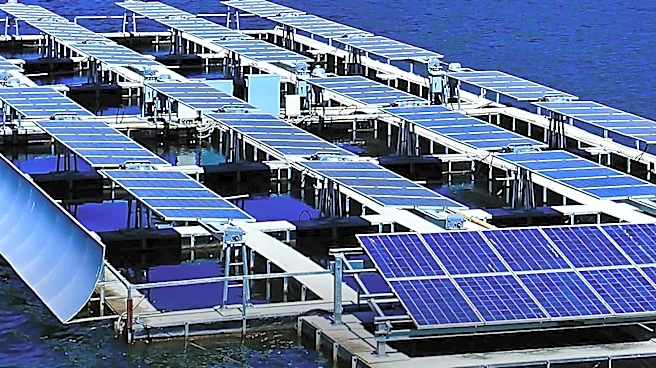
recurring expenses. Key swaps include using cloth napkins instead of paper, reusable water bottles, wool dryer balls in place of dryer sheets, and a reusable coffee filter. Svenson also highlights the financial benefits of energy production, noting her home is equipped with 28 solar panels, which she purchased outright. This investment helps offset fees and grid connection costs. Her methods extend beyond product swaps to utility habits, such as using blackout curtains for temperature regulation, limiting shower times with a timer, and reducing trash bag usage by compacting clean plastic waste. Svenson frames these eco-friendly practices as 'money savers,' challenging the perception that sustainable living is inherently more expensive. She also addresses criticisms regarding water usage for washing reusables by pointing out the significant water consumption involved in manufacturing disposable products.
Why It's Important?
This approach to frugal and sustainable living holds significant importance for U.S. households grappling with rising living costs and environmental concerns. By demonstrating that eco-friendly choices can lead to substantial financial savings, Svenson's methods offer a practical model for consumers looking to reduce their expenses without sacrificing quality of life. The emphasis on reusable products directly addresses the growing issue of waste generation, particularly plastic waste, which has environmental and economic implications for waste management systems. Furthermore, her use of solar panels highlights the long-term financial and environmental benefits of investing in renewable energy, potentially inspiring other homeowners to explore similar options. The discussion around water consumption in manufacturing disposable goods versus washing reusables provides a critical perspective on the true environmental cost of convenience, encouraging a more holistic view of sustainability. This movement towards conscious consumption can influence consumer behavior, drive demand for sustainable products, and potentially impact industries reliant on single-use items.
What's Next?
The continued sharing of such frugal and sustainable living strategies by creators like Nicole Svenson is likely to further popularize these practices among U.S. households. As more individuals adopt these methods, there could be an increased demand for affordable, durable reusable products and home energy solutions. This trend may prompt businesses to innovate and offer more cost-effective and environmentally friendly alternatives to traditional disposable goods. Additionally, the discussion around the environmental impact of manufacturing versus washing could lead to greater public awareness and potentially influence policy discussions regarding waste reduction and resource conservation. Other creators and influencers may follow suit, expanding the reach of these ideas and fostering a community focused on sustainable and financially savvy living. The long-term impact could include a shift in consumer spending habits, a reduction in household waste, and a greater emphasis on energy efficiency in homes across the country.
Beyond the Headlines
Beyond the immediate financial and environmental benefits, Svenson's approach touches upon deeper cultural and societal shifts. Her framing of sustainability as a 'money saver' challenges the prevailing notion that eco-conscious living is a luxury, making it accessible and appealing to a broader demographic. This reframing can help democratize sustainability, moving it from a niche concern to a mainstream practice. The emphasis on self-sufficiency, such as growing one's own food and generating energy, also reflects a growing desire for resilience and independence in the face of economic uncertainties. Ethically, the discussion around the hidden environmental costs of disposable products raises important questions about corporate responsibility and consumer choices. It encourages individuals to consider the entire lifecycle of products they consume. Culturally, the sharing of these tips on platforms like TikTok fosters a community of like-minded individuals, promoting knowledge exchange and collective action towards a more sustainable future. This movement could lead to a re-evaluation of societal norms around consumption and waste, fostering a more mindful and resource-efficient lifestyle.