





What's Happening?
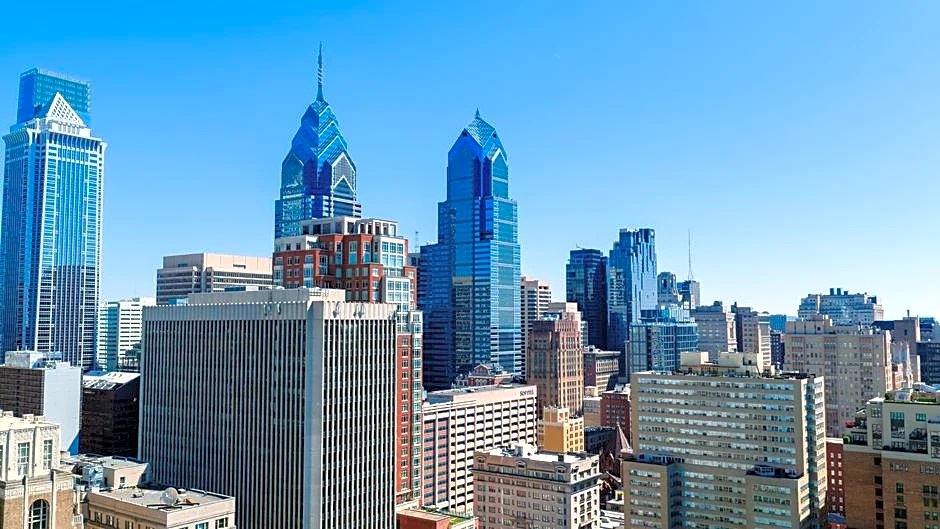
JPMorgan Chase has announced plans to relocate many of its Philadelphia employees to a newly renovated office at 2400 Market Street, with the move expected to begin in early 2028. This expansion signifies a substantial investment in downtown Philadelphia and
the firm's local workforce. The company will occupy the entire fifth floor of the building, providing space for up to 370 employees. Over the next 18 months, JPMorgan Chase will undertake renovations to create a modern workspace and a dynamic client center. This strategic move aims to consolidate employees from various lines of business under one roof, fostering enhanced collaboration and innovation. The firm also intends to add more than 150 new jobs across its Wealth Management, Commercial and Investment Banking, and Consumer and Business Banking sectors in the coming years. This initiative builds on JPMorgan Chase's existing presence in Philadelphia, where it currently employs over 600 individuals and contributes more than $400 million annually to the local economy.
Why It's Important?
This expansion by JPMorgan Chase is significant for Philadelphia's economic landscape, signaling continued corporate investment and job growth in the city. The creation of over 150 new jobs will directly benefit the local workforce, providing opportunities in various financial sectors. Furthermore, the renovation project at 2400 Market Street is projected to inject an additional $100 million into the local economy over the next two years, generating more than 200 construction jobs. This investment underscores JPMorgan Chase's long-term commitment to the region, reinforcing Philadelphia's position as a key financial hub. The consolidation of employees into a single, modern facility is expected to improve operational efficiency and client service, potentially attracting more business to the area. This move also aligns with broader efforts to strengthen Philadelphia's economy, including JPMorgan Chase's earlier $24 million commitment to the city's shipbuilding and maritime manufacturing sector, which supports critical defense industrial base initiatives.
What's Next?
Over the next 18 months, JPMorgan Chase will focus on renovating its new office space at 2400 Market Street to create a modern and collaborative environment. The firm anticipates the relocation of its Philadelphia employees to commence in early 2028. Concurrently, JPMorgan Chase will begin the process of adding over 150 new jobs across its various business lines in the region, including Wealth Management, Commercial and Investment Banking, and Consumer and Business Banking. This expansion is expected to further integrate the firm's operations in Philadelphia, enhancing its capacity to serve clients and communities. Local government and economic development agencies will likely monitor the progress of this investment, as it contributes to the city's economic growth and job creation targets. The firm's continued engagement in local economic development, such as its support for the shipbuilding sector, suggests ongoing collaboration with Philadelphia's civic and business leaders.
Beyond the Headlines
JPMorgan Chase's decision to significantly expand its physical footprint and workforce in Philadelphia reflects a broader trend of major financial institutions reaffirming their commitment to established urban centers. This move goes beyond mere office relocation; it signifies a strategic investment in human capital and infrastructure, suggesting confidence in Philadelphia's long-term economic viability and talent pool. The emphasis on bringing diverse business lines under one roof highlights a corporate strategy aimed at fostering cross-collaboration and integrated service delivery, which could set a precedent for other large firms. Furthermore, the substantial economic impact, including job creation and construction investment, underscores the critical role that anchor institutions like JPMorgan Chase play in urban revitalization and sustained regional prosperity. This expansion also subtly reinforces the importance of physical office spaces for collaboration and client engagement, even in an era of increasing remote work flexibility.