




What's Happening?
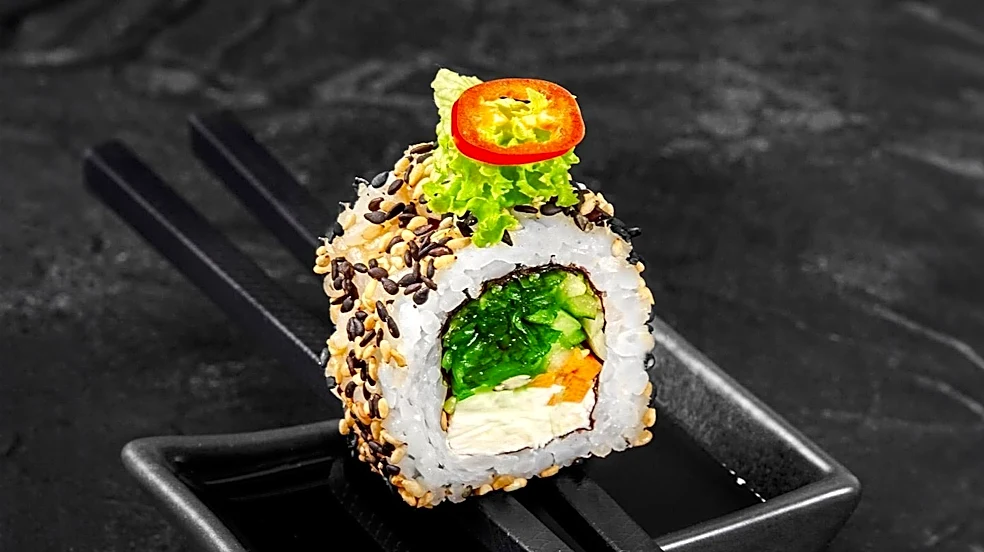
The 'Godzilla Roll' is a specialty sushi item widely available in Japanese restaurants and Asian fusion dining establishments. Unlike traditional sushi, there is no single, universally accepted recipe for the Godzilla Roll; its ingredients and preparation
methods vary significantly by restaurant, chef, and local preferences. Common components often include sushi rice, nori (seaweed), various seafood fillings such as shrimp tempura, spicy tuna, or imitation crab, along with avocado, cucumber, and a range of sauces like spicy mayonnaise or eel sauce. Some versions are deep-fried, while others rely on crunchy fillings or toppings for texture. The name 'Godzilla Roll' is believed to derive from the fictional monster, suggesting a dramatic presentation, substantial fillings, or bold flavors, making it memorable on a menu. However, there is no established inventor or definitive origin date for this particular sushi roll, and its name does not imply an official connection or licensing agreement with the Godzilla franchise.
Why It's Important?
The evolution of the Godzilla Roll highlights a significant trend in the U.S. culinary landscape, particularly within the Japanese restaurant sector. It demonstrates how traditional cuisines adapt to local tastes and preferences, leading to the creation of 'specialty rolls' that cater to a broader audience. This phenomenon impacts the food industry by fostering innovation and diversification in menus, potentially increasing customer engagement and sales. For consumers, it offers a wider array of choices, though it also necessitates a greater awareness of ingredients due to the lack of standardization, especially for those with dietary restrictions or allergies. The popularity of such creative dishes also reflects a cultural shift where food becomes a form of entertainment and a canvas for culinary experimentation, moving beyond strict adherence to traditional recipes. This trend can influence ingredient sourcing, as restaurants seek diverse components to create unique offerings, and it shapes dining experiences by emphasizing presentation and novel flavor combinations.
What's Next?
As the trend of specialty sushi rolls continues, restaurants are likely to further innovate, introducing new variations of the Godzilla Roll and similar creative dishes. This could lead to an even greater divergence in recipes and preparation methods, making it more challenging for consumers to anticipate the exact nature of a dish based solely on its name. The emphasis on unique and visually appealing sushi will probably continue to drive social media engagement, influencing menu development and marketing strategies within the restaurant industry. We may also see an increased demand for clear ingredient labeling and nutritional information from restaurants, as consumers become more health-conscious and aware of potential allergens in these non-standardized dishes. The ongoing adaptation of traditional cuisines to modern palates suggests a future where culinary boundaries are continually pushed, offering both opportunities and challenges for chefs and diners alike.
Beyond the Headlines
The phenomenon of the Godzilla Roll extends beyond mere culinary innovation, touching upon broader cultural and economic implications. It exemplifies the globalization of food, where cultural icons (like Godzilla) are recontextualized and integrated into new forms, creating a fusion that appeals to diverse audiences. This process can lead to discussions about authenticity versus adaptation in cuisine, and how much a dish can evolve before it loses its traditional identity. Economically, the success of specialty rolls like the Godzilla Roll underscores the value of branding and memorable naming in the competitive restaurant market. It also highlights the role of consumer demand in shaping culinary trends, as diners increasingly seek novel and exciting food experiences. Furthermore, the lack of a standardized recipe for such a popular item raises questions about intellectual property in the culinary world and the challenges of defining and protecting unique food creations in an industry built on adaptation and shared techniques.