








What's Happening?
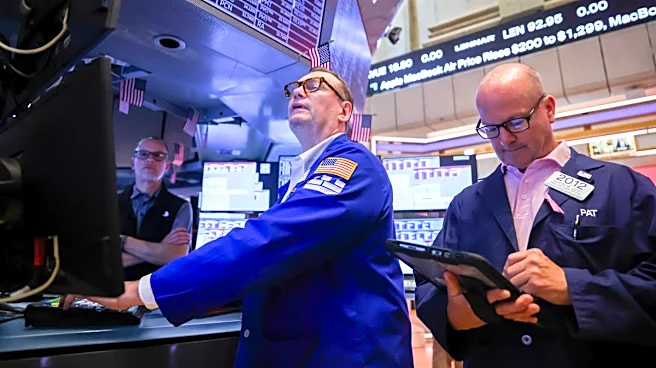
Goldman Sachs has revised its forecast for the S&P 500, predicting a more optimistic annualized return of 7% over the next decade. This marks a significant shift from the bank's previous forecast of a 3% return, which was based on a high cyclically-adjusted
price-to-earnings (CAPE) ratio that suggested a 'lost decade' for stocks. The change in outlook comes as Ben Snider, Goldman's new chief US equity strategist, argues that equity valuations can remain high due to factors such as interest rates and corporate profits. Despite the revised forecast, the predicted returns are still below the S&P 500's long-term average of around 10%.
Why It's Important?
The revised forecast by Goldman Sachs is significant for investors and the broader financial market as it suggests a more favorable outlook for stock market returns than previously anticipated. This shift could influence investment strategies and market sentiment, potentially leading to increased investor confidence. The factors driving this change, such as sustained high profit margins and low interest rates, highlight the ongoing economic conditions that could support higher valuations. However, the forecast remains cautious, reflecting uncertainties about the sustainability of these trends and the potential for market volatility.
What's Next?
As Goldman Sachs adopts a more optimistic outlook, other Wall Street firms and strategists continue to warn of a potential 'lost decade' for stocks. The divergence in forecasts underscores the uncertainty in the market and the varying interpretations of economic indicators. Investors will likely monitor interest rates and corporate profit trends closely, as these factors are pivotal in shaping future market performance. The ongoing debate among financial experts may lead to further analysis and adjustments in investment strategies as new economic data emerges.