
What's Happening?
Major U.S. companies, including Meta and Google, are significantly increasing their investment in skilled trades education and apprenticeship programs. Meta is planning its own trade school, while Google has
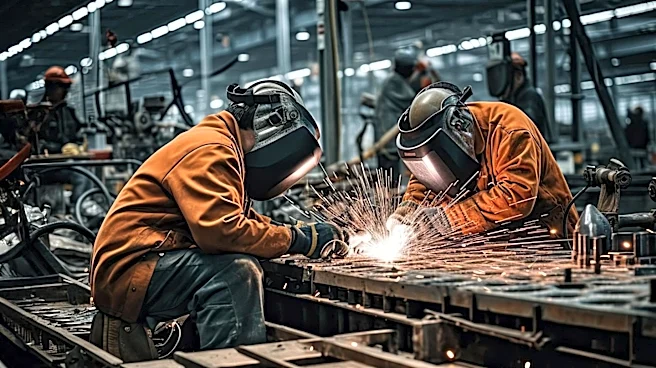
committed tens of millions of dollars to training partners. Large asset managers and retail foundations are also investing nine-figure sums into programs for electricians, plumbers, and HVAC technicians. This surge in investment is driven by a critical shortage of trained skilled workers needed to build and maintain infrastructure for the current construction boom, including data centers, power systems, and buildings. The TechForce Foundation estimates the economy requires approximately 240,000 new technicians annually across various sectors, but training programs produce less than half that number. The Bureau of Labor Statistics projects about 80,000 yearly openings for electricians alone through 2034, primarily to replace retiring workers. This structural shortage is exacerbated by an aging workforce and a generation of owners nearing retirement.
Why It's Important?
The persistent skilled labor shortage poses a significant challenge to U.S. economic growth and infrastructure development. Industries such as construction, manufacturing, and defense rely heavily on skilled tradespeople, and the current deficit can lead to project delays, increased costs, and reduced competitiveness. The investment from major corporations highlights the critical need for these roles and signals a shift in how companies are addressing workforce development. While increased recruiting efforts are beneficial, the core issue lies in retention. High turnover rates, where nearly as many technicians leave as are hired annually, undermine recruitment gains. Effective development systems, including structured apprenticeships and leadership coaching, are crucial for building a sustainable talent pipeline and ensuring long-term industry stability. This situation impacts businesses by limiting their capacity for expansion and innovation, and it affects the broader economy by hindering essential infrastructure projects.
What's Next?
The focus is shifting from solely recruiting to developing robust retention strategies within skilled trades. Companies are expected to prioritize internal promotion, offering clear career paths from apprentices to technicians, leads, and managers. The U.S. Department of Labor reports a substantial increase in registered apprenticeships over the past decade, particularly in construction, indicating a growing pipeline of new talent. However, the success of these initiatives will depend on businesses' readiness to convert this interest into long-term careers through comprehensive training and supportive work environments. Operators are encouraged to invest in real apprenticeships, coaching models for managers, and documented career progression to foster loyalty and reduce turnover. The influx of capital and attention from large corporations is expected to widen the pool of potential skilled workers, but the ultimate success will hinge on the industry's ability to retain these individuals through effective development systems and a strong workplace culture.
Beyond the Headlines
The rising interest in skilled trades reflects a broader societal re-evaluation of traditional educational paths. A Pew Research Center survey indicates that only about one in four U.S. adults now consider a four-year degree essential for a well-paying job, suggesting a growing recognition of the value and earning potential of hands-on work. This shift challenges the long-standing emphasis on college education and highlights the practical and financial benefits of vocational training, often without the burden of significant student debt. The development of strong internal cultures and comprehensive career ladders in skilled trades can create a competitive advantage for businesses, as these elements are harder for competitors to match than simple signing bonuses. This trend could lead to a more diversified and resilient workforce, with individuals pursuing paths that align with their skills and financial goals, ultimately strengthening the U.S. economy from the ground up.